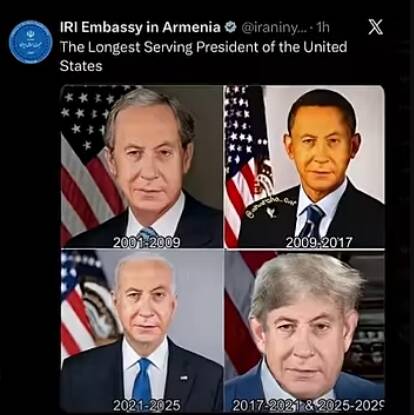

Iran... Because... Iran.
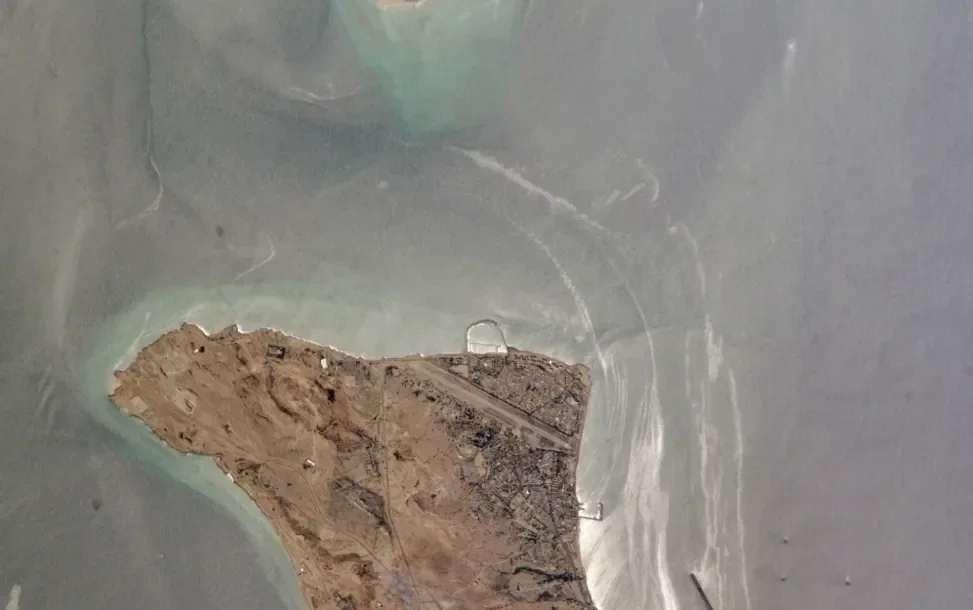
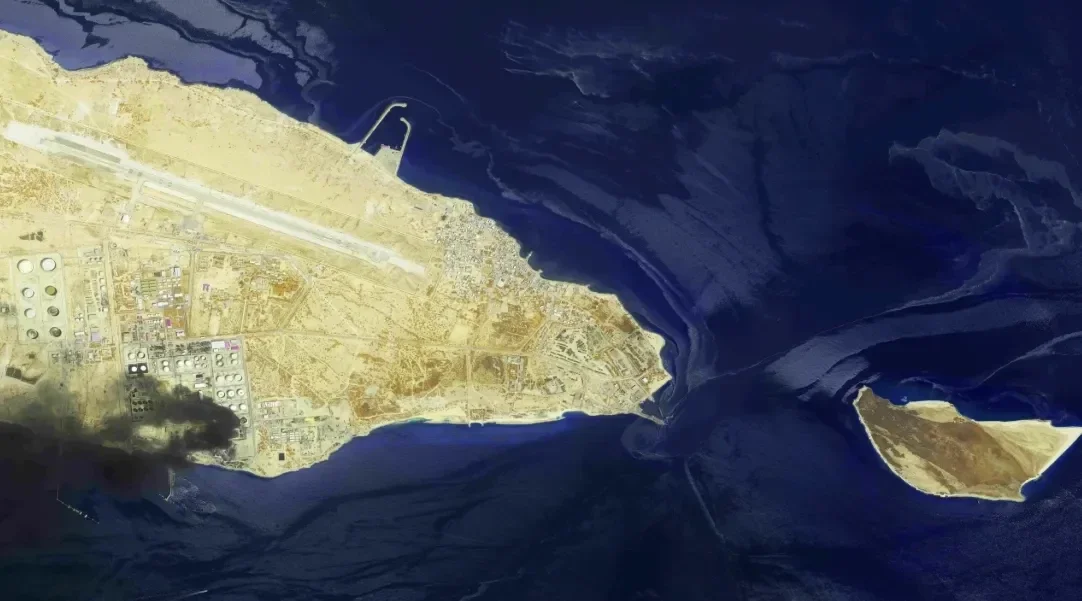
Saudi Arabia Strikes Back in Secret
Iran Attacks Arab Nations First
In late February 2026 the United States and Israel launched major attacks on Iran. Iran responded with waves of missiles and drones aimed at Israel and at Arab countries in the Gulf.
Iran struck Saudi Arabia, the United Arab Emirates, and other Gulf states. These attacks hit oil sites, ports, airports, and civilian areas. The damage hurt economies and put people at risk.
Arab Gulf nations faced direct threats to their security and wealth. Iran also disrupted shipping in the Strait of Hormuz, which hurt energy exports from the region. Saudi Arabia did not rely only on defense or talks. Its air force carried out multiple secret strikes inside Iran during late March 2026.
These Saudi strikes marked the first known time the kingdom directly attacked Iranian soil with its own forces. The actions stayed hidden from public view at the time. The United Arab Emirates also hit back directly. It launched dozens of secret air strikes on targets across Iran.
One major UAE strike hit an oil refinery on Lavan Island in Iran. This attack took place in early April 2026, right around the time ceasefire talks were advancing. UAE strikes reached other sites too, including islands in the Strait of Hormuz and industrial areas. Some reports indicate the strikes went on close to or even past the early April ceasefire announcement in certain cases. While these secret military actions happened, leaders from Saudi Arabia and the UAE spoke publicly about the need for calm, restraint, and an end to fighting.
Saudi officials repeated calls for de-escalation and stability in the region. They kept some diplomatic channels open with Iran even as the strikes occurred.
The UAE kept its role in the strikes quiet and did not confirm them openly to the public. It presented itself mainly as a target that needed protection rather than an active attacker. This difference between public statements and actual military moves shows how nations handle real threats. Talk about peace serves a purpose, but it does not replace direct responses when attacks continue on your own land and facilities.
The Saudi strikes led to a clear drop in Iranian attacks on Saudi territory in the following weeks. An informal understanding followed that helped limit further escalation before the main ceasefire. These events represent a shift. Arab Gulf states moved from behind-the-scenes support or defense to carrying out their own direct strikes on Iran for the first time in this conflict. Secrecy allowed the countries to respond without immediately widening the public war or inviting bigger retaliation. It bought time while still delivering consequences to the attacker.
In the end, countries act to protect their people, oil wealth, and borders when those things come under fire. Public words about restraint matter less than results on the ground.
Reports from major news outlets have now confirmed the details of these secret operations through officials and intelligence sources. The facts stand on their own.
Sources and links:
https://www.nytimes.com/2026/05/14/world/middleeast/saudi-arabia-uae-iran-attacks.html
https://en.wikipedia.org/wiki/2026_Lavan_Island_attack (for timeline reference on specific strike)
Additional coverage from Wall Street Journal reports cited across multiple outlets.
#thebrutaltruthnewspodcast #substack #news #iranwar #secretarabattack #
FAIR USE COPYRIGHT NOTICE:
substack.com/@originalbrutaltruth JULY 2026 The Copyright Laws of the United States recognizes a “fair use” of copyrighted content. The videos and YouTube channel in general may contain certain copyrighted works that were not specifically authorized to be used by the copyright holder(s), but which we believe in good faith are protected by federal law and the fair use doctrine for purposes such as criticism, comment, news reporting, teaching, parody, or research, is not an infringement of copyright. All video is for educational purposes only. We believe this constitutes a fair use of any such copyrighted material as provided for in section 107 of the US Copyright Law.
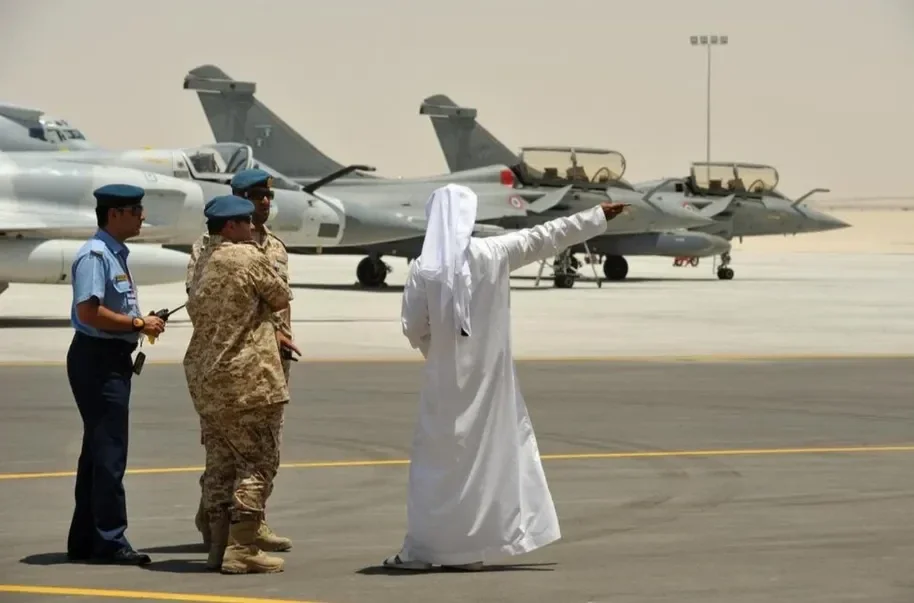
How The Iranians see US.
The Longest Serving President of The United States..
The YouTube Short shows a meme/image of Benjamin Netanyahu (Israel’s long-serving Prime Minister) labeled as “The longest serving President of the United States,” with the caption implying that the US is effectively controlled by or subservient to Israel/Netanyahu
The video’s narration calls it “sadly true,” and comments largely agree, seeing it as sharp satire highlighting perceived Israeli influence over US policy.
This fits a common Iranian (and broader anti-Israel) narrative that portrays the US as not acting in its own interests but as an extension of Israeli priorities—especially on Iran policy, Middle East wars, sanctions, and lobbying influence (e.g., AIPAC).
Iranians often view the US government as hostile (”Great Satan”) while claiming to distinguish it from the American people. Context on Iranian Views of the US Official regime line: Deep hostility since the 1979 Islamic Revolution.
The US is blamed for the 1953 coup against Mossadegh, support for the Shah, sanctions, the “Axis of Evil” label, Soleimani’s killing, maximum pressure campaigns, and backing Israel. Iran sees itself as resisting US/Israeli imperialism in the region.
Public opinion in Iran: More nuanced. Many Iranians (especially younger/urban) like American culture, people, and opportunities, but distrust the US government. Polls show very low favorability toward the US as a country/government (often single digits), with perceptions of America as “dangerous” widespread.
Trolling style: Iranians (and their state media/social accounts) frequently use memes, dark humor, and pointed satire like this to mock US foreign policy.
This one plays on real observations: Netanyahu has been Israel’s PM for many years across terms (longest-serving), and critics argue US Middle East policy often aligns closely with Israeli goals.
The post is propaganda with a kernel of geopolitical critique—US-Israel ties are exceptionally close (aid, intelligence, shared interests against Iran), but claims of total “occupation” or puppetry are exaggerated conspiracy framing common in adversarial narratives. US presidents and Congress make their own decisions, influenced by elections, lobbies, strategy, and domestic politics—not a single foreign leader.
It’s effective trolling because it resonates with people frustrated by endless Middle East entanglements. What are your thoughts on it?
----
Sharing is Caring!
@1TheBrutalTruth1 JUNE 2026 Copyright Disclaimer under Section 107 of the Copyright Act of 1976: Allowance is made for “fair use” for purposes such as criticism, comment, news reporting, teaching, scholarship, education, and research.