

THE EPSTEIN FILES
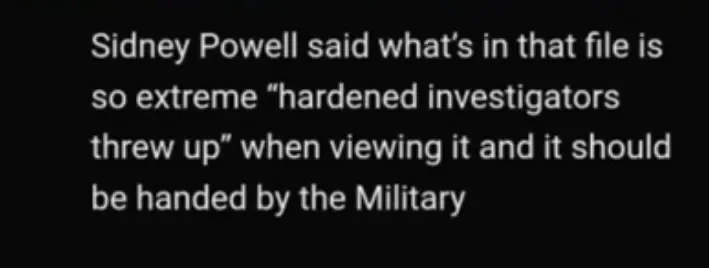
The Life Insurance File
Weiner’s dead man’s switch
Hillary Clinton under oath turned into a familiar fog of memory lapses, deflections, and carefully worded distance from the most radioactive topic in modern political scandal.
The questions circled the so called Life Insurance file allegedly tied to Anthony Weiner’s laptop, a file whispered about for years by investigators and internet sleuths alike. Clinton’s answers did not resolve anything. They deepened the sense that the closer you get to the Epstein orbit, the faster the doors start closing.
The Life Insurance file has lived in the shadows of the Epstein story for nearly a decade. The claim is simple and explosive. During the investigation into Anthony Weiner, detectives reportedly discovered a massive digital archive labeled Life Insurance. According to accounts that have circulated among law enforcement circles, the material inside was so disturbing it left veteran investigators shaken. Official confirmation has never fully surfaced, but the rumor has never died either. Like gasoline under the floorboards, it keeps the fire alive.
The reason is obvious. Jeffrey Epstein was not just another criminal predator. He moved inside elite circles where money, politics, and influence intersect. When a man like that collects secrets, people start asking why. Blackmail has always been the dark currency of power. If Epstein was gathering kompromat on powerful figures, the implications stretch far beyond one island or one trafficking network. They reach into the machinery that shapes decisions at the highest levels of government and finance.
Clinton’s deposition reopened that wound. Instead of shutting down speculation, the testimony fueled it. The more carefully she sidestepped the topic, the more viewers saw a system protecting itself. Washington has perfected the art of institutional amnesia. Everyone condemns Epstein now that he is dead. But when the questions drift toward who knew what and when, the room suddenly fills with lawyers and the record turns vague.
The brutal suspicion driving the fringe conversation is that Epstein’s real value to powerful people was not the crimes themselves but the leverage they created. If even a fraction of the blackmail theory is true, it would explain the strange silence that still surrounds the case. Files vanish. Records stay sealed. Witnesses speak in fragments. The public is told the story ended in a jail cell.
What people see instead is a pattern. A predator connected to presidents, billionaires, intelligence circles, and global elites dies before trial. Digital evidence rumored to contain explosive material disappears into bureaucratic darkness. And every time the issue surfaces again, the answers shrink while the questions grow louder. That is why the Epstein story refuses to die. It is no longer just about crimes. It is about whether the system itself can investigate the people who run it.
What is that “Life Insurance?”
The term “Life Insurance” file comes from rumors and unverified claims tied to the investigation of former Congressman Anthony Weiner in 2016. During that investigation, the Federal Bureau of Investigation seized a laptop used by Weiner and his wife, Huma Abedin, who had long worked for Hillary Clinton.
What the “Life Insurance” File Is Alleged to Be
In online discussions and some fringe reporting, the “Life Insurance” file is described as a large digital folder allegedly discovered on the laptop. The theory claims it contained emails, documents, or other material related to powerful individuals that could be damaging if released. Because of that alleged purpose, people speculated the name “Life Insurance” meant evidence kept as leverage or protection, similar to the idea of a “dead man’s switch.”
What Is Actually Confirmed
Publicly confirmed information about the laptop investigation is much more limited.
The FBI did examine the laptop as part of the investigation into Clinton’s email server. That review led then FBI Director James Comey to briefly reopen the Clinton email inquiry in October 2016 before again concluding there were no charges to bring.
However, no official report from the FBI or federal prosecutors has confirmed the existence of a file called “Life Insurance.” No verified inventory of such a folder has been released publicly.
Where the Story Spread
The idea gained traction in alternative media and social media discussions about the wider network surrounding Jeffrey Epstein and powerful political figures. Because Epstein’s connections involved wealthy and influential individuals, some commentators linked the alleged file to theories about blackmail or hidden evidence.
These claims remain unverified. Law enforcement agencies have not publicly confirmed that such a file existed or described its contents.
Why It Continues to Be Discussed
Even without official confirmation, the story persists because the Epstein case left many unanswered questions. Epstein’s death in federal custody and sealed court documents related to associates have fueled speculation that additional information may still be hidden or unreleased.
For now, the “Life Insurance” file should be understood as an allegation circulating in political and internet discussions, not a confirmed piece of evidence documented in public investigative records.
Please Like & Share 😉🪽
@1TheBrutalTruth1 FEB. 2026 Copyright Disclaimer under Section 107 of the Copyright Act of 1976: Allowance is made for “fair use” for purposes such as criticism, comment, news reporting, teaching, scholarship, education, and research.

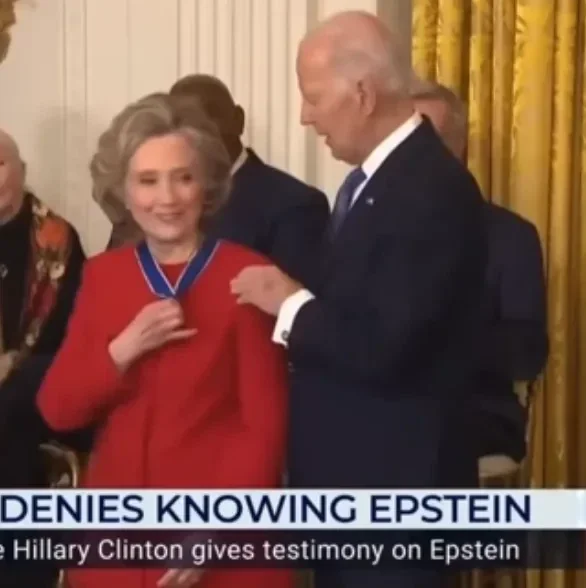

Epstein Who?
“I did not know. I do not recall. Ask my husband.”
Hillary Clinton walked into that Epstein testimony expecting a controlled setting and walked out looking like the walls were closing in. She repeated the same line over and over. “I did not know him.”
“I never went there.”
“I never saw him.”
Meanwhile there are flight logs, visitor records, donation trails, and photographs floating around like ghosts that refuse to stay buried. The defense strategy was not clarity. It was repetition. Say it enough times and hope the public gets tired before the contradictions pile too high.
The wedding excuse alone sounds like something written on a napkin five minutes before the hearing. Ghislaine Maxwell just showed up as someone’s plus one. At a Clinton wedding. As if random guests wander into events guarded tighter than a federal building. These are not backyard barbecues. These are high security political family gatherings where every name is vetted. The idea that Maxwell slipped through unnoticed insults basic intelligence. Either security was nonexistent or someone is pretending not to remember how power circles actually function.
Then comes the money trail. Epstein funding early initiatives connected to the Clinton Foundation. Donations flowing through political channels. Clinton Global Initiative connections. Terramar ties. Yet the answer is confusion and distance.
“I did not know. I do not recall. Ask my husband.” That line Didn’t jive with the Email inquiry or Benghazi either.
The real tension explodes when you compare the reaction standards. If any other political figure claimed no memory while evidence stacked up showing repeated interactions, the outrage would be nuclear. Here it feels managed. Minimized. Redirected. The narrative quickly shifts toward Trump as the intended target while older associations get reframed as innocent philanthropy before public awareness. Public awareness is the shield now. As long as something was not headline news at the time, we are told no private concern could possibly have existed. That logic collapses under its own weight.
The Epstein fallout is like flipping on the kitchen lights at three in the morning and watching the elite scatter like roaches who were perfectly comfortable in the dark five seconds ago.
What makes the whole episode smell rotten is not just one testimony. It’s the pattern. Powerful names resigning quietly. Institutions distancing themselves. Global figures suddenly stepping aside while insisting nothing was wrong. If this were nothing, nobody would be scrambling.
And when the defense boils down to “I do not remember” and “..ask someone else,” it stops looking like transparency and starts looking like a full blown cop-out.
She needs to be called out as the LIAR she is.
Epstein Who? - by The Brutal Truth - Denise Gradin
Please Like & Share 😉🪽
@1TheBrutalTruth1 FEB. 2026 Copyright Disclaimer under Section 107 of the Copyright Act of 1976: Allowance is made for “fair use” for purposes such as criticism, comment, news reporting, teaching, scholarship, education, and research.
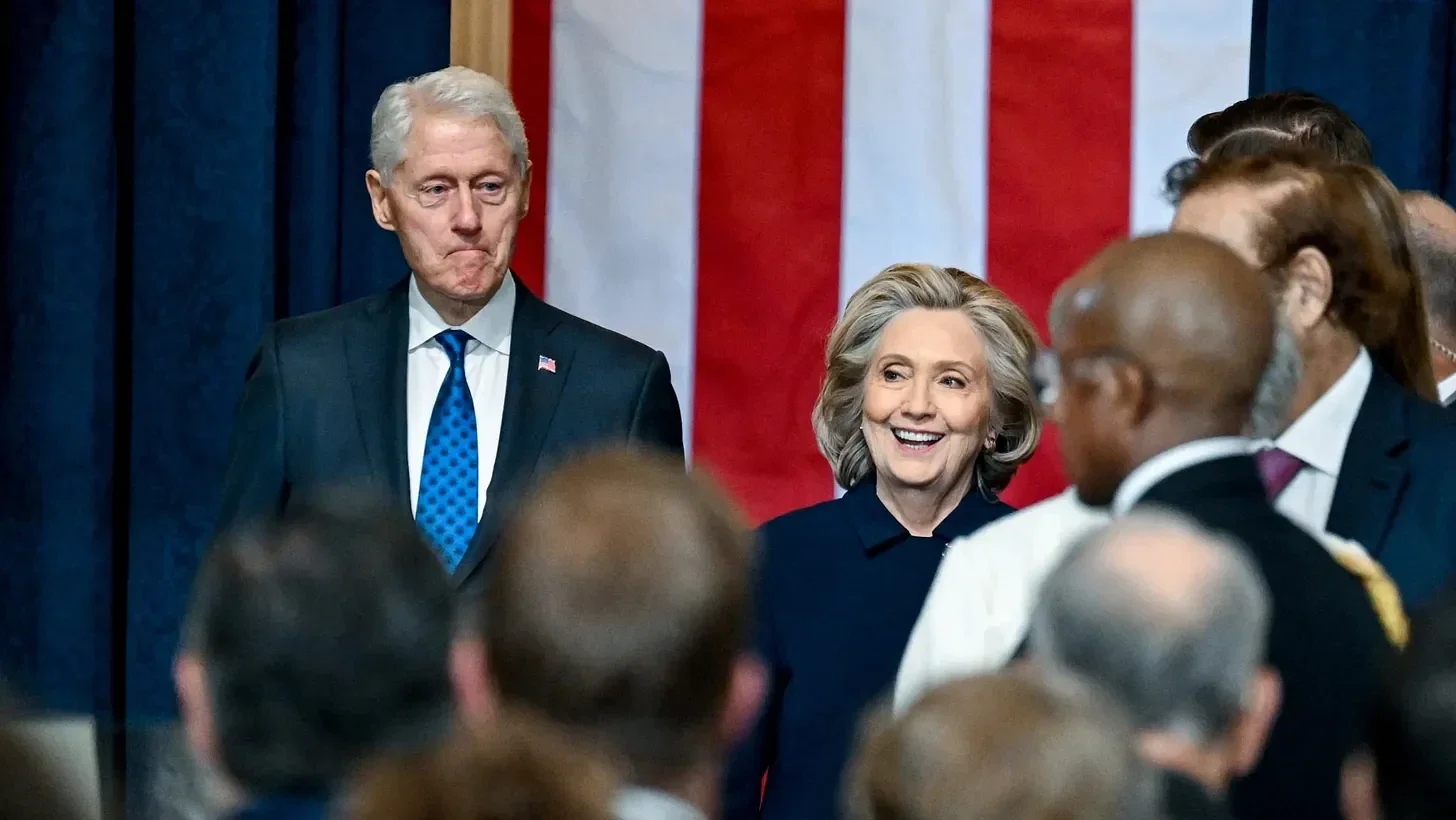
Under Oath and Under Pressure
Names, Numbers, and the Collapse of a Political Shield
What We Know About Bill Clinton, Donald Trump, and the Epstein Depositions
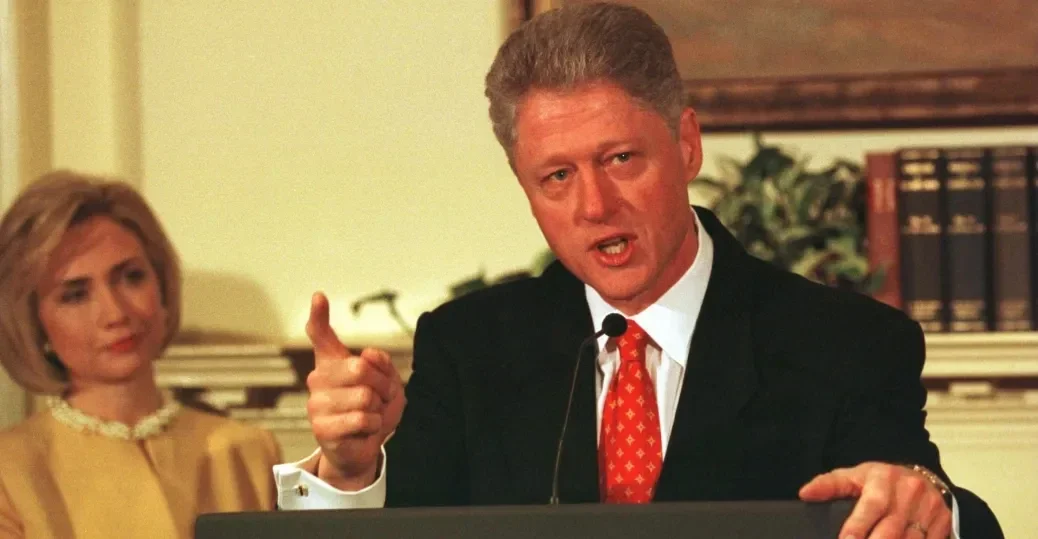
Recent reporting has focused on depositions related to the Jeffrey Epstein case that were taken by the U.S. House Oversight Committee. These include testimony from former President Bill Clinton and former Secretary of State Hillary Clinton. The topic has generated intense public interest because of the broader controversy around Epstein, his network, and the many high-profile individuals whose names appeared in documents, correspondence, or travel logs.
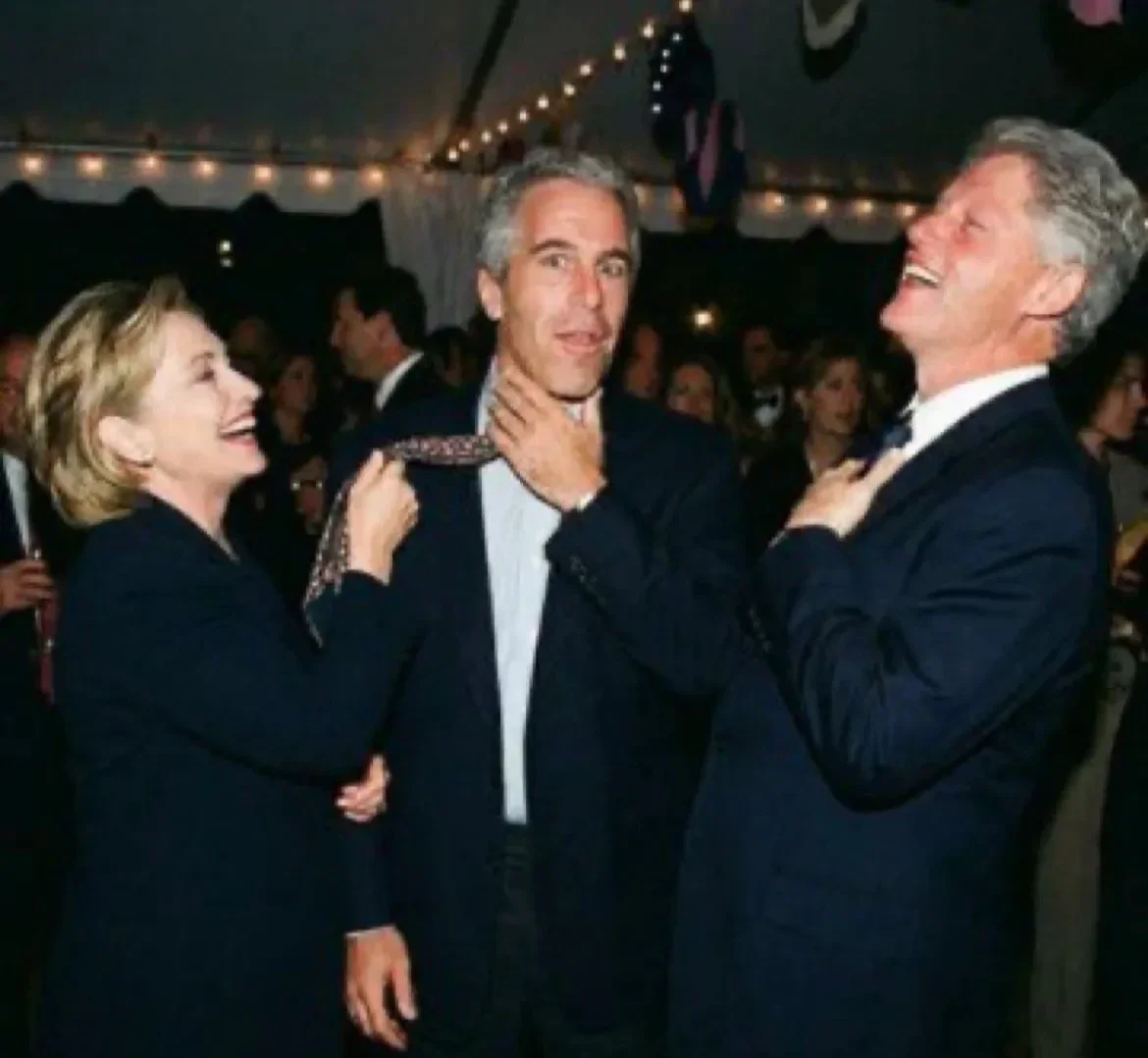
In public reporting and committee statements, it has been confirmed that Clinton flew on the private jet associated with Epstein on multiple occasions in the 2000s. The exact number of flights and the purposes of those trips have been described in government records. Clinton’s team has stated that these flights were connected to work for the Clinton Foundation and related causes and that he was accompanied by staff and foundation personnel. Former President Clinton has denied any knowledge of Epstein’s criminal conduct and has said he was not involved in Epstein’s illegal activities.
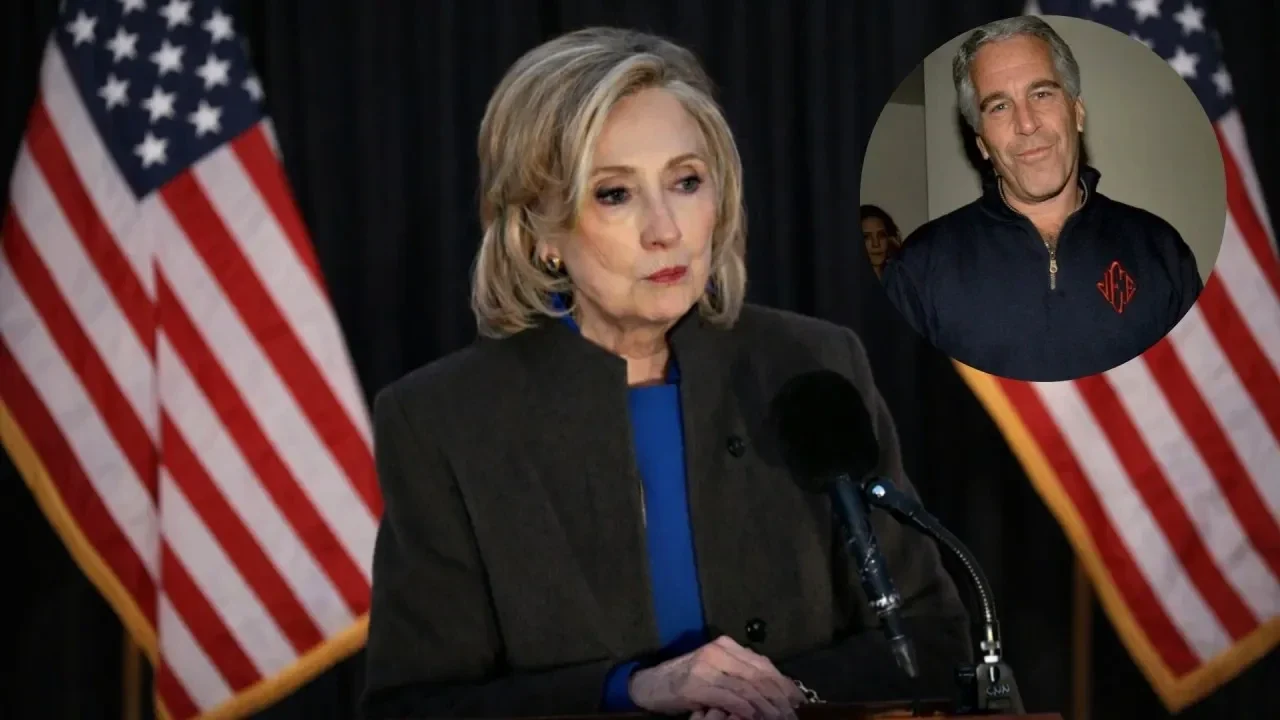
Under Oath and Under Pressure, Hillary Clinton Denies Knowing Epstein or His Crimes
Hillary Clinton has also been deposed in connection with inquiries into Epstein-related materials. According to members of Congress who have publicly commented, her testimony addressed emails, photographs, and other correspondence that were part of government disclosures. Multiple news outlets have noted that documents recovered by prosecutors and released under various disclosure laws contain references to social or philanthropic events involving numerous individuals, but there is no verified evidence in those documents proving participation in criminal acts by the Clintons.
Some commentators outside of mainstream reporting have highlighted videos or statements by private investigators or undercover footage claiming connections between Epstein, intelligence agencies, or other high-profile figures. These claims have not been substantiated by official court filings or by credible public evidence. Independent fact-checking organizations and reputable news organizations have cautioned against drawing conclusions from unverified clips or commentary that have not been supported by primary sources or legal findings.
Regarding President Donald Trump, public records show that while his name appeared in some early social contexts in connection with Epstein in the 1990s and early 2000s, there is no verified evidence in government disclosures that he participated in or was present during the criminal activities for which Epstein was convicted. Trump has publicly stated that he was not involved in Epstein’s crimes and supported enforcement action against wrongdoing.
The broader context of these depositions and the released materials is that Epstein’s network was extensive and included many social connections to powerful individuals. Government documents and flight logs often list names or places, but analysts and legal experts emphasize that being mentioned in a document is not equivalent to being charged with or implicated in a crime. Many references are social, philanthropic, or incidental, and do not show participation in or knowledge of criminal conduct.
Public reporting continues to evolve as more materials are reviewed and as lawmakers, journalists, and legal observers examine what has been released. Continued investigation and transparency are important, but distinguishing verified evidence from speculation remains essential for an accurate understanding of the facts.
The Brutal Truth Summary
For decades the American public has watched Bill Clinton deny, deflect, and redefine the meaning of “Telling the Truth.”
He denied relations with Monica Lewinsky until the evidence cornered him.Now he denies knowledge of Jeffrey Epstein’s crimes while flight logs and social ties refuse to disappear. Twenty seven trips on a convicted trafficker’s jet is not a casual misunderstanding. It is proximity at scale. And proximity is exactly what the public no longer trusts.
The depositions before the House Oversight Committee were not cable news theater. They were sworn testimony. That matters.
Hillary Clinton reportedly denied knowing Epstein or having meaningful contact with him, despite documents showing social overlap in elite circles. Her position mirrors the broader defense strategy that many powerful figures have adopted. They were around him but not involved. They knew him but did not know what he was. They were present but somehow unaware.
Meanwhile the political machine that spent years trying to fuse Donald Trump’s name to Epstein has run into a wall of public record. Yes Trump and Epstein moved in overlapping social circles decades ago. Yes his name appears in some contexts. But in the released government disclosures there is no verified evidence placing him at the criminal acts for which Epstein was convicted. That distinction has not stopped commentary but it does matter in a court of law.
The fringe interpretation sees something deeper. It sees a protected class of political elites insulated by reputation management and institutional shielding. It sees media selectively amplifying some names while soft pedaling others. It sees a network of influence where social access was currency and everyone at the top insists they never saw the rot beneath the chandelier. Whether that is corruption or coincidence is the question that fuels the anger.
The real fight now is not just about who flew where. It is about whether the public will ever get a complete accounting or whether power once again outlasts outrage.
The brutal truth is this. Epstein operated inside elite circles for years. Presidents, billionaires, academics, royalty and celebrities brushed shoulders in the same rooms. Some are guilty and one accomplice is convicted. Others may simply have been reckless in their associations. But being named is not the same as being charged.
Link Addresses (Sources You Can Visit)
https://apnews.com/article/bill-clinton-jeffrey-epstein-deposition
https://www.reuters.com/world/us/epstein-related-depositions-clinton-2026-02-27/
https://www.nytimes.com/2026/02/27/us/politics/epstein-clinton-deposition.html
https://www.washingtonpost.com/politics/2026/02/26/epstein-clinton-testimony/
https://www.politico.com/news/2026/02/26/epstein-depositions-clinton-house-committee-00012345
Under Oath and Under Pressure - by The Brutal Truth
Please Like & Share 😉🪽
@1TheBrutalTruth1 FEB. 2026 Copyright Disclaimer under Section 107 of the Copyright Act of 1976: Allowance is made for “fair use” for purposes such as criticism, comment, news reporting, teaching, scholarship, education, and research.

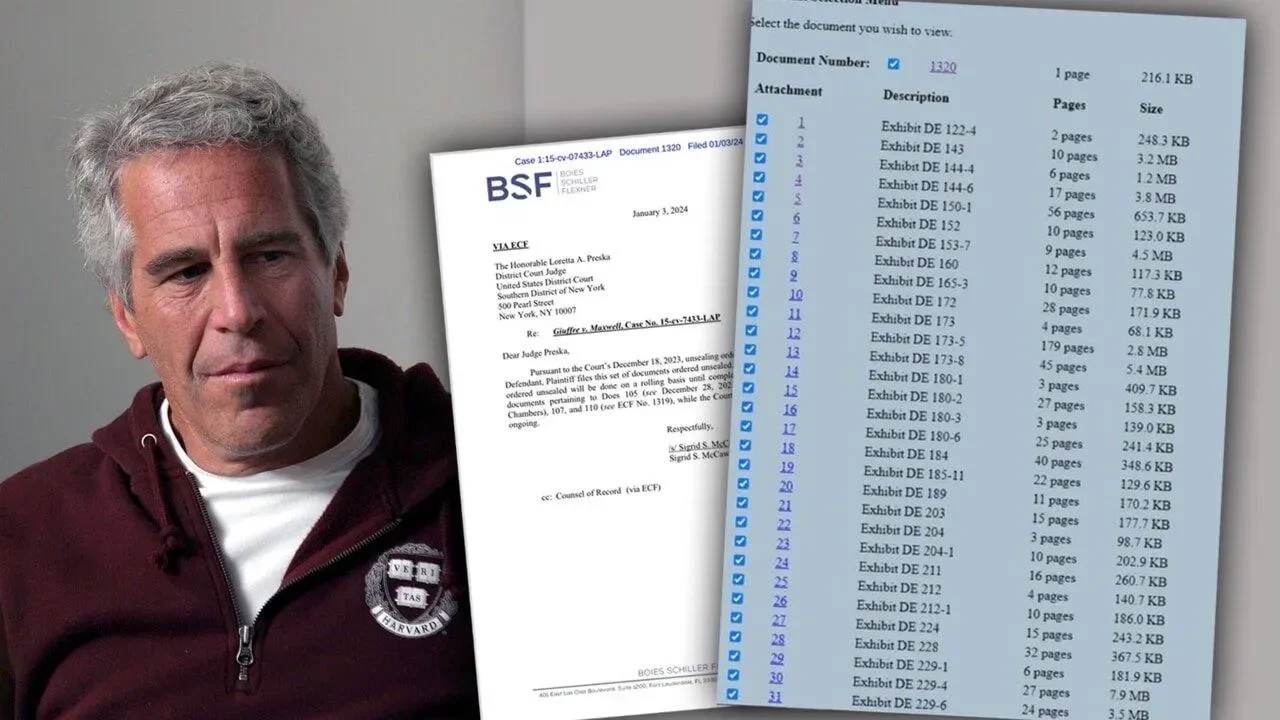
Fact Check: Anne Heche’s Death and the Epstein File Allegations
Anne Heche, Epstein Documents, and the Importance of Verifiable Proof - The difference between being named and being charged
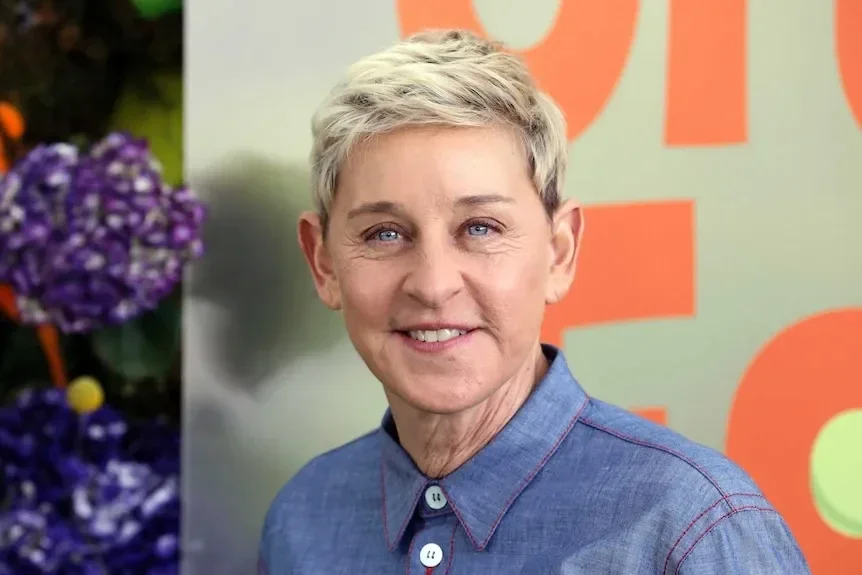
Recent online posts have revived extreme allegations connecting Ellen DeGeneres, Anne Heche, and newly released Jeffrey Epstein-related documents.
Some claims suggest criminal acts, occult activity, and coordinated coverups. These allegations are serious. They also require serious evidence.
As of February 2026, there is no verified court document, law enforcement report, or credible investigative journalism supporting claims that Ellen DeGeneres committed violence against Anne Heche or that Epstein file releases confirm such actions. No official filing has made that accusation.
What Is Documented About Anne Heche’s Death
Anne Heche died in August 2022 following a car crash in Los Angeles. According to the Los Angeles County Medical Examiner, her death was ruled an accident. Toxicology reports and autopsy findings were publicly released at the time. There was no official finding of homicide.
Investigations into the crash focused on vehicle impact, fire damage, and toxicology results. Authorities did not identify criminal conspiracy or third-party involvement in her death.
What Is in the Epstein File Releases
Jeffrey Epstein was charged in 2019 with federal sex trafficking crimes involving minors. He died in custody later that year. Since then, multiple court documents have been unsealed in civil cases connected to his network.
The released documents contain deposition transcripts, contact lists, and references to individuals who interacted with Epstein socially, professionally, or financially. Inclusion in a document does not automatically imply criminal wrongdoing. Courts have consistently emphasized that being named in filings is not equivalent to being charged or convicted.
As of current public records, no unredacted 2026 document confirms allegations involving Ellen DeGeneres and criminal acts related to Anne Heche.
How High-Profile Narratives Spread
When document releases occur, especially in cases involving child exploitation, public reaction intensifies. Online communities often interpret partial records as confirmation of broader theories. Once a narrative gains traction, repetition can make it appear credible even without supporting evidence.
Celebrity deaths, especially those involving unusual circumstances like car crashes or sudden medical events, frequently become targets for conspiracy narratives. Social media accelerates this process by amplifying emotionally charged claims.
Occult and Trafficking Allegations in Hollywood
For decades, segments of online culture have tied Hollywood figures to occult symbolism and trafficking conspiracies. While law enforcement has confirmed that Epstein operated a trafficking network, extending that confirmed criminal activity to unrelated public figures requires evidence, not inference.
There is no verified documentation linking Ellen DeGeneres to criminal trafficking operations or occult crimes in official court filings or federal indictments.
The Importance of Evidence Standards
Serious criminal accusations require credible sourcing: law enforcement charges, court records, sworn testimony, forensic findings, or investigative reporting backed by documentation. Without those elements, allegations remain claims.
Public trust depends on distinguishing between documented facts and viral speculation. When allegations involve violent crimes, cannibalism, or ritual abuse, the evidentiary bar must be especially high.
Current Verified Position
Anne Heche’s death was officially ruled accidental.
Jeffrey Epstein was charged with trafficking minors; multiple documents related to civil suits have been released.
No credible document confirms the specific allegations circulating about Ellen DeGeneres.
As of now, those extreme claims remain unsupported by verified evidence.
The Brutal Truth
The allegations tying Ellen DeGeneres to Jeffrey Epstein’s trafficking network or to violent, occult crimes involving Anne Heche have no verified evidence behind them. None.
There is no court record, no indictment, no sworn testimony, no forensic finding, and no credible investigative reporting supporting those claims.
Anne Heche died in August 2022 after a car crash in Los Angeles. The Los Angeles County Medical Examiner ruled the death an accident. Toxicology reports were released. The crash was investigated. Authorities found no homicide, no conspiracy, and no third-party involvement.
Jeffrey Epstein was charged in 2019 with federal sex trafficking crimes involving minors. After his death, civil litigation documents were unsealed. Those filings include names, depositions, and contact references. Being mentioned in a document is not proof of criminal conduct. Courts have repeatedly made that distinction clear.
As of February 2026, no unredacted Epstein document confirms allegations against Ellen DeGeneres. There is no verified evidence linking her to trafficking, violence, or occult crimes. The accusations circulating online are not backed by formal legal findings.
When document dumps occur, public reaction intensifies. Speculation spreads faster than verified facts. Repetition can make claims appear credible even when they lack documentation. But serious criminal accusations require serious proof — charges, evidence, and judicial action.
The record, as it stands, does not support the extreme claims being circulated. I guess we’re all going to have to wait and see what more comes from this.
Sources
Los Angeles County Medical Examiner – https://me.lacounty.gov
U.S. Department of Justice – Epstein Case Documents – https://www.justice.gov
Southern District of New York Court Records – https://www.nysd.uscourts.gov
Federal Bureau of Investigation – Public Statements – https://www.fbi.gov
Reuters Investigative Coverage – https://www.reuters.com
Associated Press Reporting – https://apnews.com
Fact Check: Anne Heche’s Death and the Epstein File Allegations
Please Like & Share 😉🪽
@1TheBrutalTruth1 FEB. 2026 Copyright Disclaimer under Section 107 of the Copyright Act of 1976: Allowance is made for “fair use” for purposes such as criticism, comment, news reporting, teaching, scholarship, education, and research.
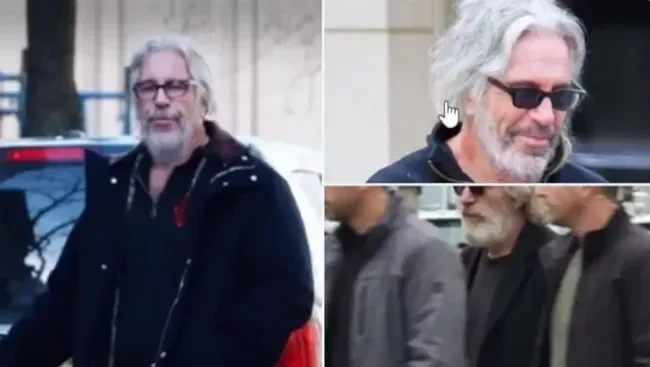
The latest revelations of the Epstein Files. Is this man alive still?
Epstein Files Update: What the New Releases Actually Show, and What They Do Not
What was released and why it matters
Recent online commentary tied to the newest Epstein-related document releases claims that ongoing disclosures are exposing additional connections between Epstein and powerful figures, while reviving long-standing questions about how his network operated after his 2008 conviction.
The discussion points to alleged efforts to rehabilitate Epstein’s public image, suggests financial and influence activity intersecting with technology, media, and political circles, and highlights emails some believe contain coded language, though no verified interpretations have been confirmed.
Attention is also drawn to procedural irregularities surrounding Epstein’s death, including the timing of an official Justice Department statement, claims of unusual inmate handling, and the circulation of a newly surfaced photograph that some argue appears authentic based on AI detection tools. These elements are presented as unresolved questions rather than established conclusions, reflecting the broader uncertainty and distrust surrounding the case rather than definitive proof of new facts.
The Department of Justice says it has published about 3.5 million pages in response to the Epstein Files Transparency Act and is using a public “Epstein Library” page to host and describe the release. The DOJ also warns that, because of the huge volume, some sensitive personal information may appear by mistake even after review and redactions.
The biggest controversy right now: redactions and victim privacy
A major new dispute is not just what the files contain, but how they were handled. Reporting says Rep. Jamie Raskin accused the DOJ of a cover-up after viewing unredacted material and raised concerns about inconsistent redactions, including claims that some well-known names were hidden while victims’ identities were exposed. Separately, reporting says Attorney General Pam Bondi acknowledged serious mistakes in protecting victim information and that thousands of documents were pulled back for review due to privacy issues.
What the new material is adding about Epstein’s jail death
Some of the latest coverage focuses on jail logs and video-related questions about activity near Epstein’s housing area the night he died, which has fueled more public argument online. That said, the DOJ Inspector General report states that the New York City medical examiner determined Epstein died by suicide, and the Inspector General review documents serious failures inside the jail around staffing, supervision, and procedures. Those official findings are a key reason major institutions still treat “Epstein is alive” as unproven.
Is Epstein alive: what can be said as fact right now
As of the latest official records available publicly, the government position remains that Epstein died in custody on August 10, 2019, with a suicide ruling by the medical examiner and multiple investigations and reviews following his death. Claims that he faked his death have circulated for years, but fact-checking outlets have noted that “alive” claims have not been supported by verified evidence and often lean on misread photos or speculation. The new document dumps are driving fresh attention, but attention is not the same thing as proof.
Why these releases are reigniting political arguments
The files are landing in a high-trust, low-truth environment: conservatives tend to see a long pattern of elite protection and institutional self-defense, while more middle-of-the-road readers focus on what can be verified in court records, sworn testimony, and official reports. Reporting around the release highlights that the fight now includes process questions (who gets named, what gets redacted, and whether victims are protected) as much as it includes new details about powerful people who had contact with Epstein.
Photos and videos mentioned in current coverage
Some coverage points to surveillance video context and log questions around the jail tier, and there are videos and discussions online about new page releases, including claims about additional pages and multimedia. If you use videos as evidence, the safest approach is to separate commentary from documents: verify what the document actually says, and treat any dramatic narration as opinion until it matches the record.
Address links (sources)
https://www.justice.gov/epstein
https://oig.justice.gov/sites/default/files/reports/23-085.pdf
https://www.cbsnews.com/news/epstein-files-jail-cell-death-video-logs/
https://www.theguardian.com/us-news/2026/feb/09/jamie-raskin-doj-cover-up-epstein-files
https://www.factcheck.org/2019/08/bogus-conspiracy-theory-claims-epstein-is-alive/
https://www.factcheck.org/2025/11/sorting-out-the-facts-on-epstein-claims/
https://www.theguardian.com/us-news/2026/feb/07/epstein-files-global-conspiracy
Recent reporting driving the “alive” debate and new file-release fallout
Jamie Raskin accuses DoJ of cover-up after viewing unredacted Epstein files
AG Pam Bondi admits mistakes were made in handling of Epstein files
The latest revelations of the Epstein Files. Is this man alive still?
Please Like & Share 😉🪽
@1TheBrutalTruth1 FEB. 2026 Copyright Disclaimer under Section 107 of the Copyright Act of 1976: Allowance is made for “fair use” for purposes such as criticism, comment, news reporting, teaching, scholarship, education, and research.