Biblical Dietary Laws, Human Diet Origins, and What We Actually Eat Today
The Bible gives direct instructions about what humans should and should not eat. These laws are detailed, specific, and tied to identity and order.
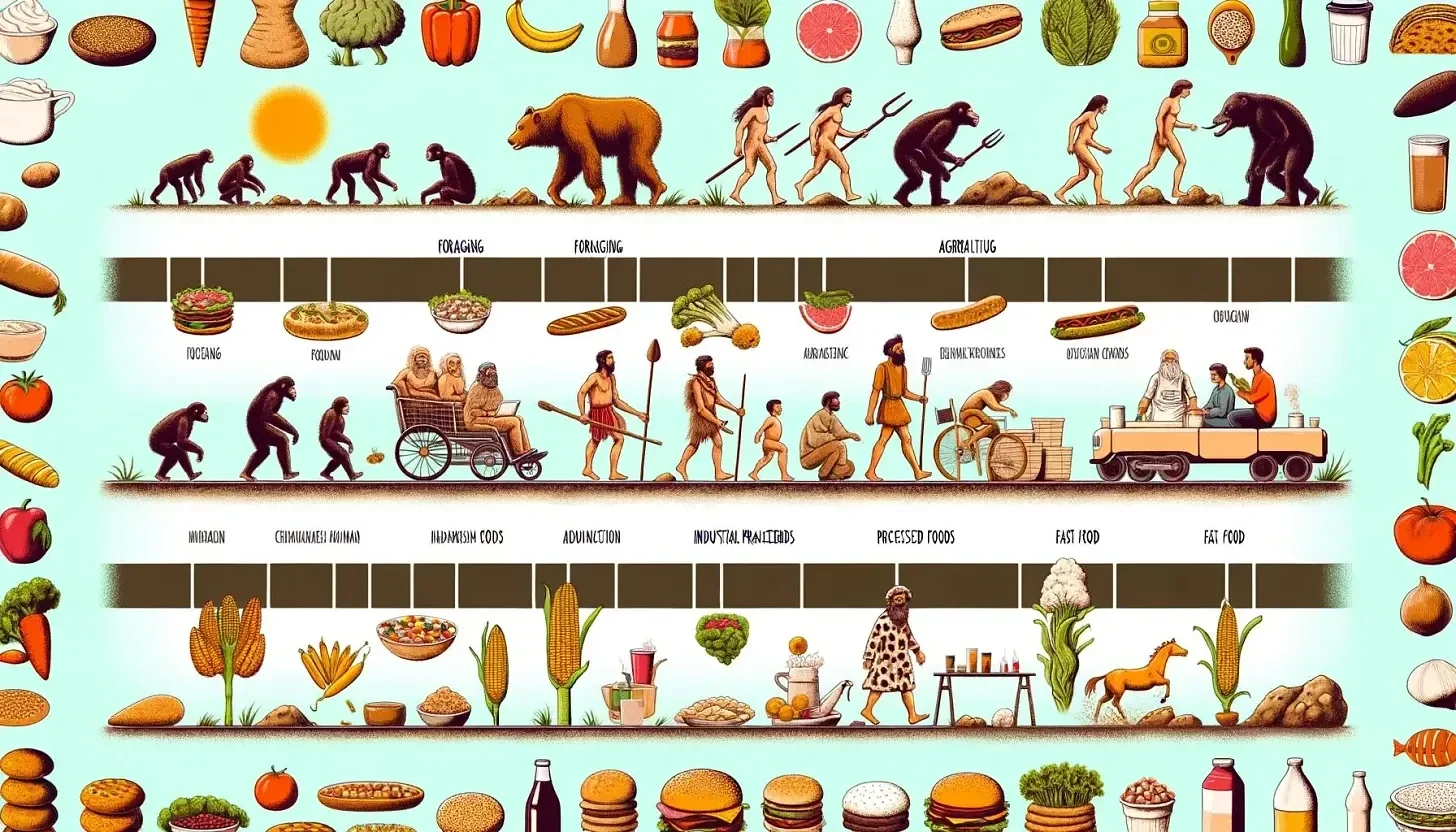
The Evolution of Diet: From Foraging to Fast Food – Tracing Dietary Transformations and Their Impacts on Health
At the same time, modern science shows that humans and their closest relatives, such as Chimpanzee, consume both plant and animal foods. This creates a tension between religious instruction, biological behavior, and modern diet. The question is not just what humans can eat. It is what humans were meant to eat and how that has changed.
The primary dietary laws appear in Leviticus and Deuteronomy. These texts divide animals into clean and unclean categories. Land animals must have split hooves and chew the cud. Sea creatures must have fins and scales. Certain birds and all insects, with limited exceptions, are restricted.
This system is not random. It creates a controlled diet rather than an unrestricted one. The instruction does not eliminate meat. It regulates it. That alone contradicts the idea that humans were intended to avoid animal consumption entirely.
Earlier in Genesis, plant foods are given to humanity at creation. Later, after the flood, meat consumption is explicitly permitted. This shows a shift in dietary allowance over time, not a single fixed rule from the beginning.
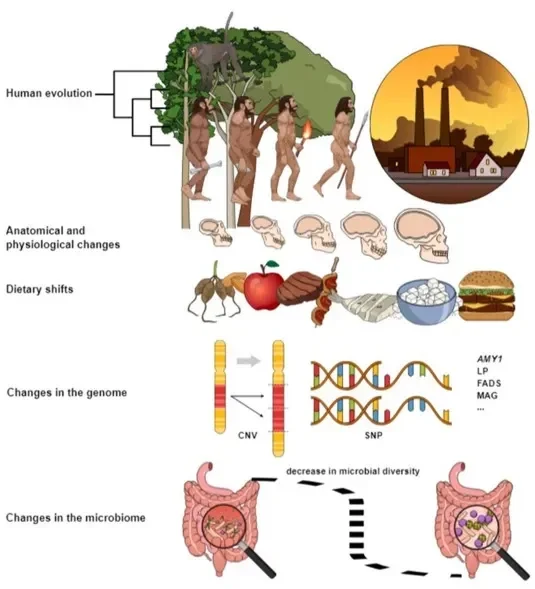
We Are What, When, And How We Eat: The Evolutionary Impact of Dietary Shifts on Physical and Cognitive Development, Health, and Disease - Advances in Nutrition
Evidence suggests that early humans consumed large amounts of animal food. The material you provided argues that pre agricultural humans functioned as high level predators and relied heavily on meat . It also claims that plant foods were limited, toxic, and nutritionally insufficient in their wild forms.
There is partial agreement in research that early humans were opportunistic eaters. They consumed meat, plants, and whatever was available in their environment. However, the claim that humans were exclusively or primarily carnivorous at all times is debated within the scientific community.
What is clear is that diet shifted significantly after agriculture began. That shift introduced grains, cultivated plants, and long term food storage.
One major point that stands out is that many foods eaten today did not exist in their current form in the past. The material shows that fruits and vegetables have been heavily modified through selective breeding and crossbreeding.
Examples include:
-
Bananas becoming seedless and sweeter
-
Carrots changing from small and bitter to large and sweet
-
Corn expanding from a small wild plant to a high yield crop
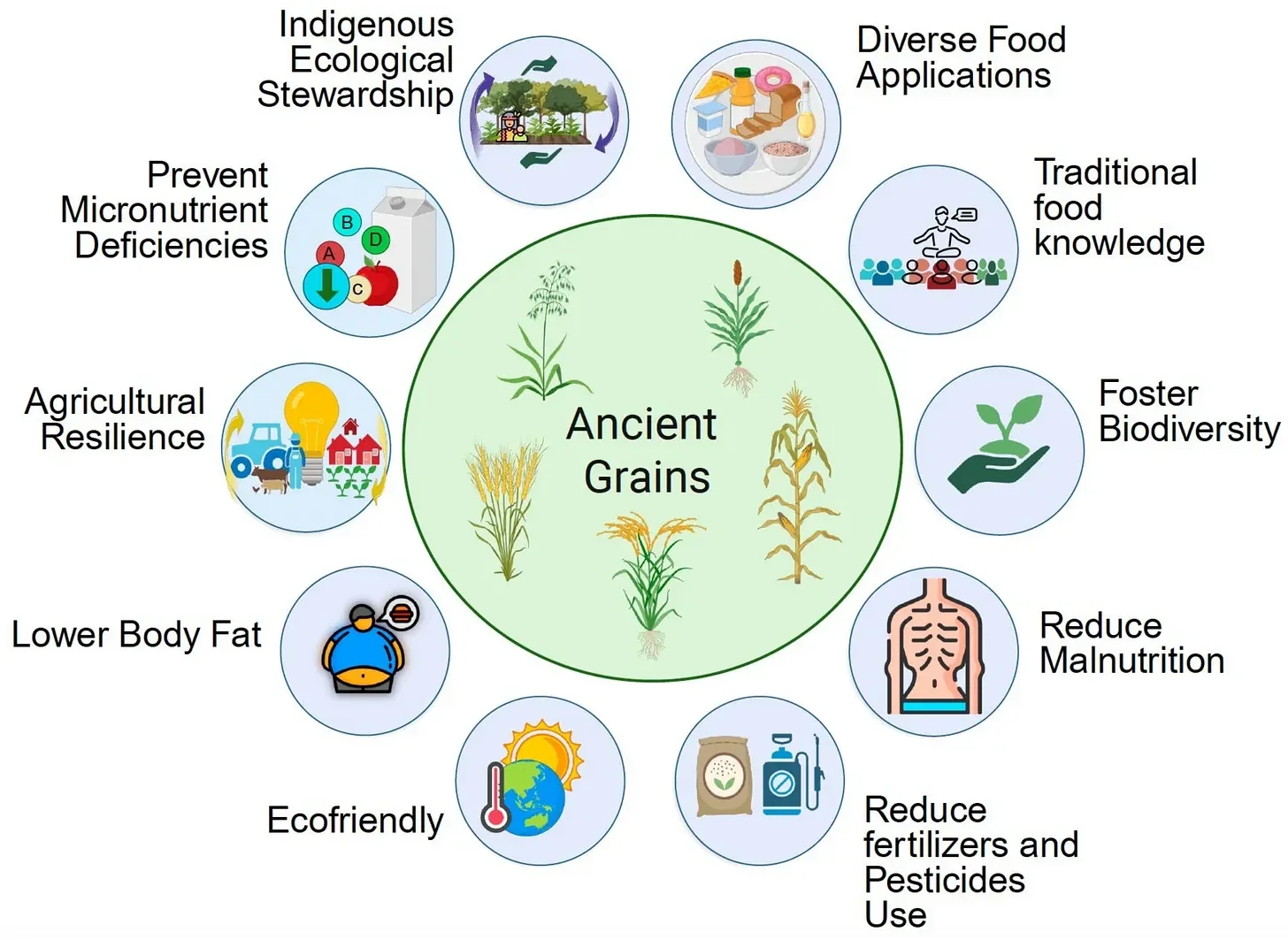
Ancient Grains as Functional Foods: Integrating Traditional Knowledge with Contemporary Nutritional Science
This means modern plant foods are not identical to ancient plant foods. They are altered for size, taste, and yield. That raises a valid question. If diet instructions were given in an ancient context, how do they apply to foods that have been significantly changed.
Chimpanzee are often used as a reference point because they share genetic similarity with humans. They primarily eat plants but will also hunt and consume meat on occasion.
This behavior shows that primates are not strictly herbivorous. They are capable of mixed diets. However, chimpanzees do not follow structured dietary laws. Their behavior reflects survival, not instruction.
Using chimpanzees as a model explains capability, not purpose. It shows what is possible, not what is prescribed.