Claims, Symbolism, and the Vatican Auditorium Debate
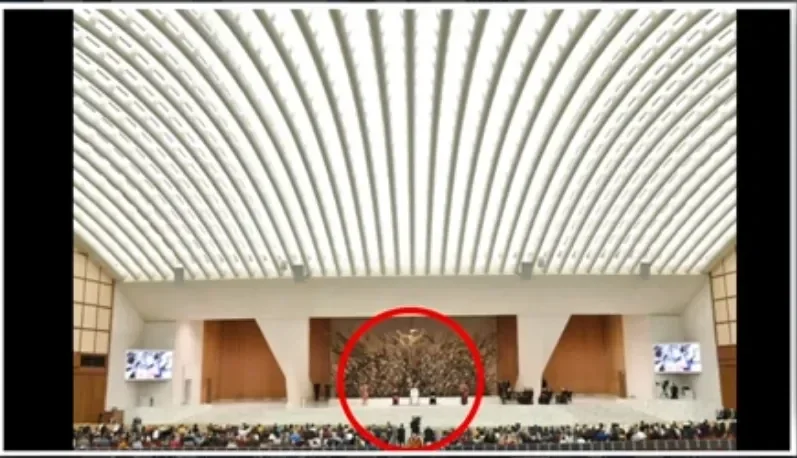
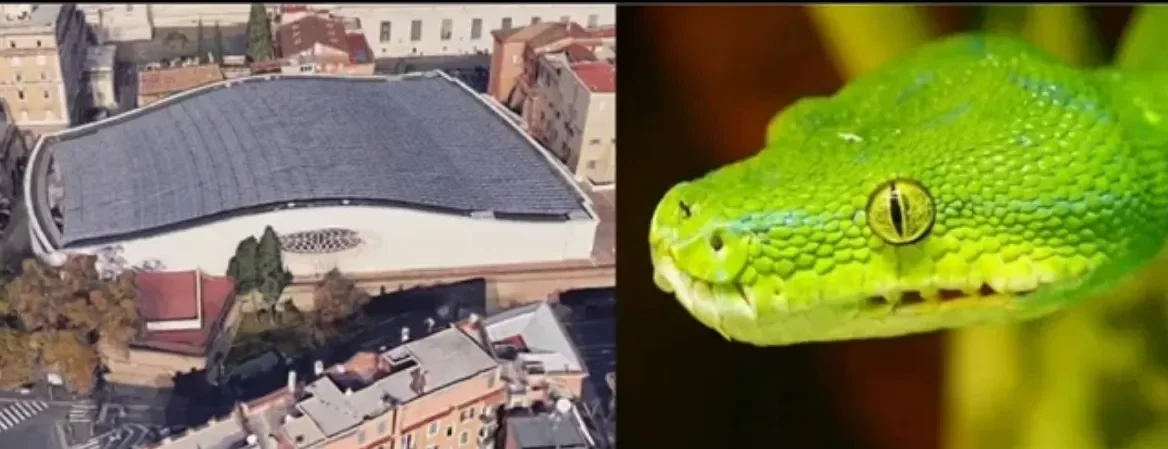
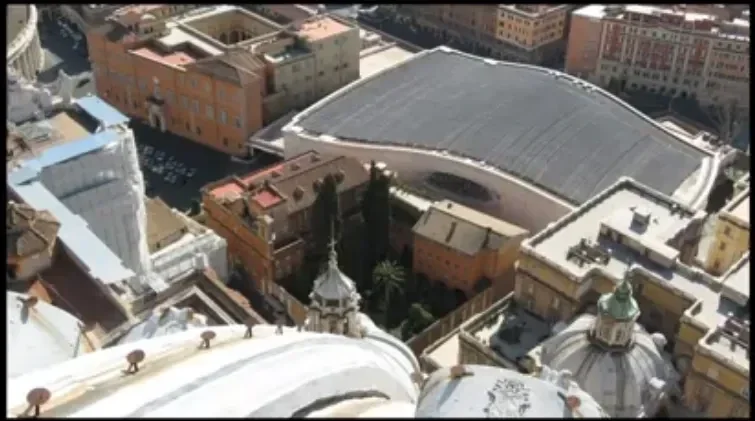
In recent years, online commentators have circulated claims that the Vatican’s main auditorium resembles a serpent’s head and symbolizes Satanic authority.
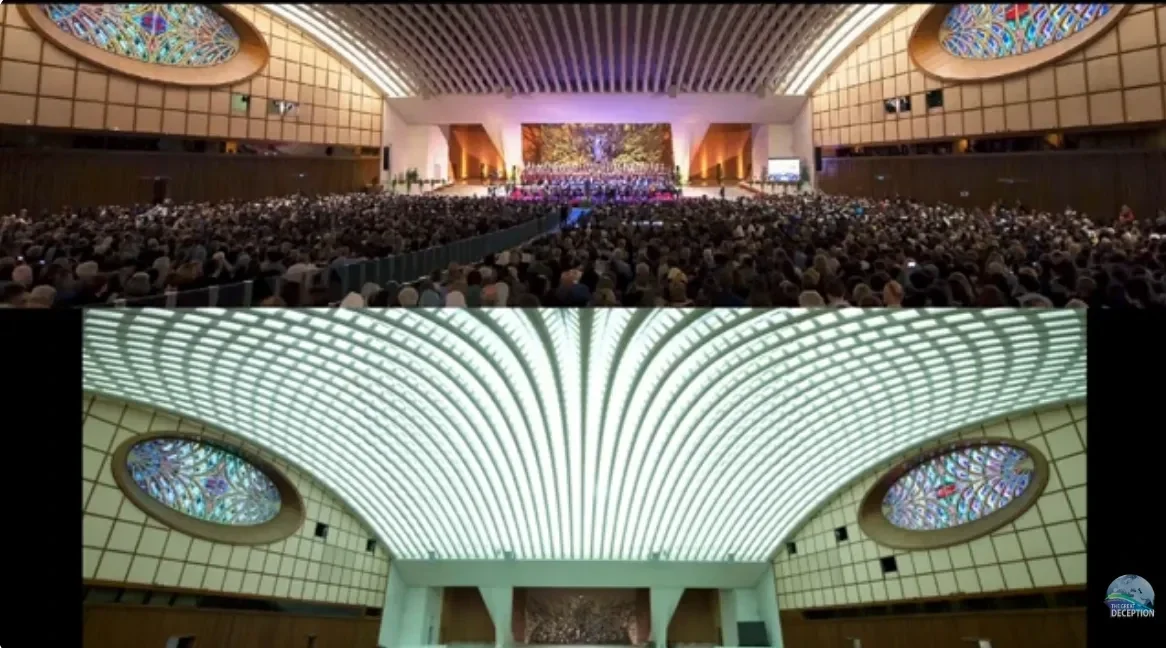
The building in question is the Paul VI Audience Hall, located within Vatican City. Some critics argue that its architectural shape is intentional and symbolic of evil. Others say this interpretation reflects visual perception and personal belief rather than documented intent from architects or the Vatican itself.
The Paul VI Audience Hall was designed by Italian architect Pier Luigi Nervi and inaugurated in 1971 during the papacy of Pope Paul VI. Official architectural records describe it as a modernist structure built to accommodate large indoor papal audiences. There is no publicly verified architectural documentation stating that it was designed to resemble a serpent. Supporters of the Church argue that symbolic interpretations are subjective and often driven by pre-existing theological positions.
Accusations Against the Papacy
Some evangelical and fringe Protestant commentators claim the Pope represents a prophetic “dragon” figure referenced in the biblical book of Revelation. These interpretations stem from specific theological traditions that view the papacy as a fulfillment of apocalyptic prophecy. The Roman Catholic Church strongly rejects those interpretations and teaches that the Pope serves as the spiritual successor to Saint Peter, not a prophetic adversary.
The current Bishop of Rome, Pope Leo XIV (as referenced in the provided narrative), has publicly spoken about peace, unity, and dialogue among nations. Official Vatican statements emphasize diplomacy, interfaith cooperation, and conflict resolution. Critics argue that historical actions of the Church — including periods such as the Crusades and Inquisitions — contradict modern peace messaging. Historians note that those events occurred within specific historical contexts and are widely studied and debated.
Wealth of the Catholic Church
The Roman Catholic Church is one of the largest religious institutions in the world, with global assets that include churches, schools, hospitals, art collections, and land holdings. The Vatican’s financial operations are managed in part through the Institute for the Works of Religion (commonly called the Vatican Bank). Estimates of total wealth vary widely depending on methodology, and no verified evidence supports claims that the Church controls 30% of all global gold reserves. Financial analysts and independent researchers have repeatedly challenged such figures as exaggerated.
The Church does generate income through property management, donations, investments, and tourism. At the same time, it operates charitable organizations worldwide, including Catholic Relief Services, hospitals, and humanitarian aid networks. Supporters argue that much of the Church’s wealth is tied up in historic buildings and artworks that cannot realistically be liquidated to solve global poverty. Critics argue that the institution could do more to redistribute resources.
Ecumenism and Christian Unity
The Vatican has actively promoted ecumenism — cooperation between Christian denominations — since the Second Vatican Council (1962–1965). The Pope has met with leaders such as Bartholomew I to encourage dialogue between Catholic and Orthodox Christians. Supporters see this as an effort to reduce division and promote peace. Critics from some Protestant traditions believe ecumenism dilutes doctrinal clarity.
The European Union flag, designed by Arsène Heitz in 1955, features twelve gold stars on a blue background. Heitz later stated that he drew inspiration from imagery associated with the Virgin Mary. However, the Council of Europe officially describes the stars as symbols of unity and completeness rather than religious doctrine. Interpretations vary depending on theological and political viewpoints.
Prophecy, Politics, and Interpretation
Apocalyptic interpretations linking the Vatican, Europe, and global governance movements often rely on symbolic readings of biblical texts such as Revelation and Daniel. These interpretations are common in certain Protestant traditions, particularly within historicist frameworks. Mainstream Catholic theology does not endorse those prophetic applications.
Claims predicting specific dates for global religious laws or coordinated world religious systems are not supported by verified government policy or documented international agreements. Religious freedom remains protected in most Western democracies under constitutional law.
Understanding Symbolism vs. Evidence
Architecture can appear symbolic depending on perspective. The human brain naturally identifies patterns, even when none were intentionally placed there. Without verified architectural records confirming intent, claims that the Vatican auditorium is a literal serpent symbol remain interpretations rather than documented fact.
The broader debate reflects deeper theological disagreements between Catholic and Protestant traditions, as well as modern distrust of large institutions. While criticism of powerful organizations is common in democratic societies, accusations of direct Satanic authority are theological claims, not legally verified findings.