

Israel
Bibi's Dirty Little Secrets... And other important updates.
Rabbis Send Historic Letters to Trump Linking Him to Cyrus and Davidic Patterns
Gematria and Torah Patterns Connect Trump Name to House of David Phrase
Jerusalem rabbis and religious leaders in Israel have sent multiple letters and formal invitations to President Donald John Trump.
These messages declare him a figure chosen for a special role in Jewish history. They compare him directly to King Cyrus of Persia.
Some links extend to the House of David through traditional number calculations in Hebrew. The invitations include calls for him to support the rebuilding of the Temple in Jerusalem and to help form an international court based on ancient laws given to Noah.
In 2016 the nascent Sanhedrin in Jerusalem wrote to Trump right after his election. The letter asked him and Russian leader Vladimir Putin to act like Cyrus. Cyrus allowed Jews to return from exile and rebuild the Temple over 2500 years ago. The Sanhedrin said the political conditions were unique because both leaders backed Jewish rights to Jerusalem. They urged joint action to advance the Temple project for the benefit of all people.
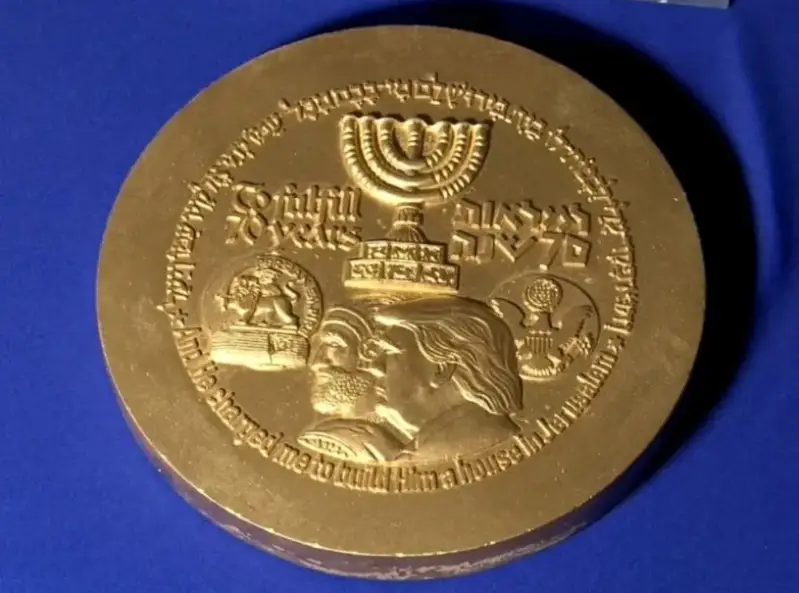
Later the same group minted a special coin. One side shows Trump. The other shows Cyrus. This marked Trump’s decision to recognize Jerusalem as Israel’s capital and move the United States embassy there. Rabbi Hillel Weiss of the Sanhedrin stated that Trump’s success depends on focusing on the Temple Mount. He warned against any plan that divides the land.
In 2025 the Sanhedrin sent another letter. It thanked Trump for placing faith at the center of American life through a White House Faith Office.
The letter said he was elected like Cyrus to fulfill a heavenly mission. That mission is to unite people who believe in God and promote ethical cooperation. The rabbis invited Trump to meet them in Jerusalem to discuss creating an International Divine Court based on the seven Noahide laws.
Groups of over 200 and even 250 Israeli rabbis including Chief Rabbi Yitzhak Yosef also wrote. These letters thanked Trump for recognizing Jerusalem and later for affirming Israeli rights in Judea and Samaria. They quoted the Book of Joshua and the prophet Jeremiah. The rabbis said Trump stands at the front of history and will be remembered forever by the Jewish people. They called his steps fulfillment of ancient prophecies about return to the land and rebuilding.
Hebrew number study known as gematria shows Donald Trump written in Hebrew letters adds to 424.
The same number equals the phrase Messiah of the House of David. Bible code researcher Rabbi Matityahu Glazerson found patterns in the Torah. The name D Trump and president of the USA appear next to the Hebrew word for Cyrus and the word for Messiah. These findings appeared in the book of Leviticus near verses about anointed priests.
Michael Drosnin made Torah codes known to the wider public in his 1997 book. His work used computer searches of letter skips in the Hebrew text. Later researchers including Glazerson applied the method to modern names and events.
The codes do not prove future knowledge. They show patterns that some rabbis interpret as signs.
The rabbis who contacted Trump pointed first to his concrete actions. Those actions include the embassy move the Golan recognition the Abraham Accords and firm stands against groups that attack Israel.
No matching set of letters or invitations went to President Barack Obama from the same Jerusalem rabbis. Obama’s record included the Iran nuclear deal which Israel saw as a threat. He also pressed for a two state plan that many Israeli religious leaders rejected. One rabbi compared Obama to Haman the enemy in the Purim story. Another noted that a president counts as a ruler for the purpose of a traditional blessing. That is not the same as calling him a modern Cyrus or linking him to Davidic restoration.
The difference rests on policy results. Trump delivered steps that matched the historical pattern of Cyrus a non Jewish ruler who advanced Jewish return and Temple work. Jehu appears in some Christian teachings as a model of draining corruption. Josiah appears as a reformer who cleaned the Temple. Jerusalem rabbis focus mainly on Cyrus and the numerical link to the House of David. Their letters form a clear record of public offers and declarations.
These communications remain public. They rest on open statements from the Sanhedrin and named rabbis.
The pattern shows consistent recognition of Trump’s decisions that supported Israeli sovereignty and Jewish historical claims. No parallel record exists for Obama because the policy outcomes differed.
Address links:
https://www.jta.org/2025/10/13/israel/israelis-are-comparing-trump-to-cyrus-the-great-again
https://theisraelbible.com/cyrus-as-messiah-understanding-trumps-divine-role/
https://www.jpost.com/judaism/article-841916
https://www.israeltoday.co.il/read/rabbis-urge-trump-putin-to-help-rebuild-temple-in-jerusalem/
https://israel365news.com/400368/sanhedrin-letter-to-trump-you-have-been-elected-to-fulfill-a-heavenly-mission
https://www.israelnationalnews.com/news/220289
https://www.breakingisraelnews.com/102784/sanhedrin-temple-movement-issue-silver-half-shekel-images-trump-cyrus/
https://www.thesanhedrin.org/en/index.php?title=Hachrazah_5785_Shevat_14
https://matzav.com/250-israeli-rabbis-send-thank-you-letter-to-trump-for-yerushalayim-recognition/
https://www.timesofisrael.com/who-is-king-cyrus-and-why-is-netanyahu-comparing-him-to-trump/
https://en.wikipedia.org/wiki/Michael_Drosnin
https://www.breakingisraelnews.com/99167/messianic-trump-cyrus-connection-revealed-hebrew-numerology-bible-codes
#thebrutaltruthnewspodcast #substack #TrumpCyrus #JerusalemRabbis #BiblicalMandate
FAIR USE COPYRIGHT NOTICE:
substack.com/@originalbrutaltruth AUG 2026 The Copyright Laws of the United States recognizes a “fair use” of copyrighted content. Thank you all for subscribing. If you enjoy and feel the information shared here is important, please share it!
The videos and YouTube channel in general may contain certain copyrighted works that were not specifically authorized to be used by the copyright holder(s), but which we believe in good faith are protected by federal law and the fair use doctrine for purposes such as criticism, comment, news reporting, teaching, parody, or research, is not an infringement of copyright. All video is for educational purposes only. We believe this constitutes a fair use of any such copyrighted material as provided for in section 107 of the US Copyright Law.

Is there an Israeli invasion of the Temple Mount?
The changes on the Mount are incremental and political
Israel has controlled security at the site (known to Muslims as the Haram al-Sharif / Al-Aqsa compound) since capturing East Jerusalem in the 1967 Six-Day War.
The Jordanian-backed Islamic Waqf continues to handle day-to-day religious administration under the longstanding “status quo.” timesofisrael.com
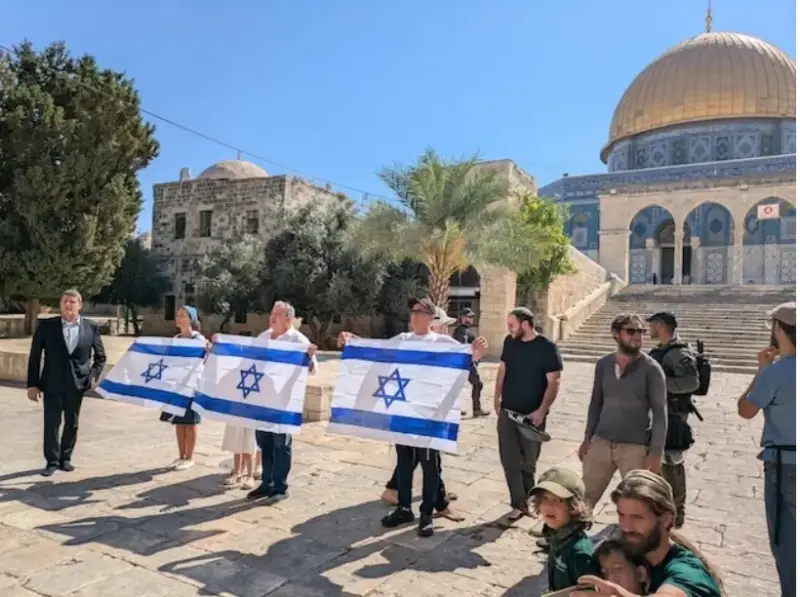
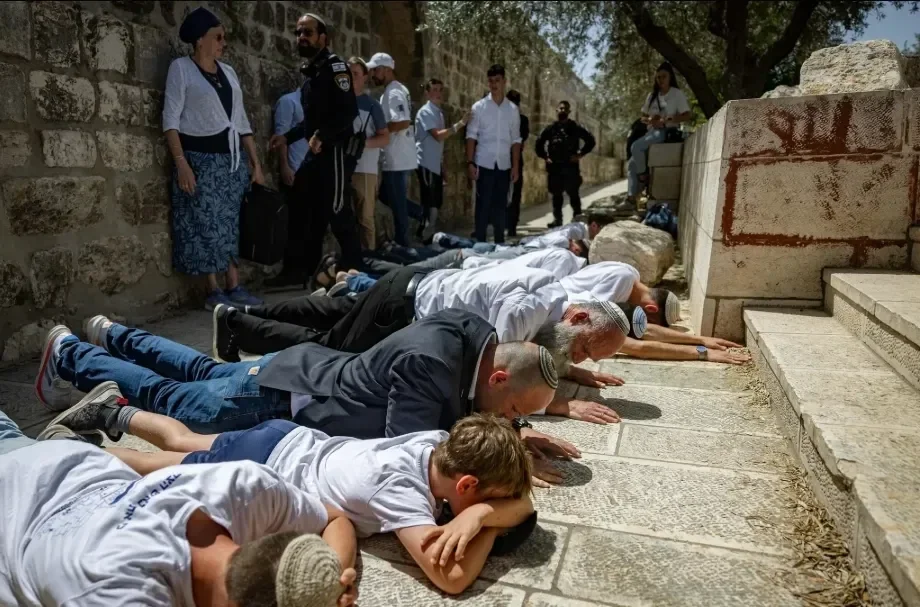
What did change recently (reported around August 16–19, 2026) is a further practical easing of restrictions on Jewish prayer: Israeli police allowed Jewish visitors to bring full siddurim (Jewish prayer books) onto the compound and use them, in what was described as a limited/experimental step rather than a formal blanket policy change.
Journalist/activist Arnon Segal posted photos of men praying from the books (with towels indicating prostration), National Security Minister Itamar Ben-Gvir confirmed the permission, and police stated they operate according to political directives, site rules, and security assessments.
israel365news.com
This continues a gradual shift over recent years (especially under Ben-Gvir). Earlier steps included allowing single printed prayer sheets (from early 2026), quieter individual or group prayer, prostration, singing in some cases, and larger Jewish visitor numbers on days like Tisha B’Av. Formal bans on non-Muslim prayer and certain ritual items have long existed under the post-1967 arrangements, but enforcement has loosened in practice. worldisraelnews.com
Some pro-Temple-Mount or prophecy-oriented outlets frame these developments as “historic,” a “quiet revolution,” or steps toward greater Jewish rights / a future Third Temple.
Jordanian, Palestinian, and other Muslim authorities have criticized the changes as violations of the status quo. There are no credible reports of military invasion, seizure of the site, or dismantling of Muslim structures.
The Temple Mount remains a highly sensitive flashpoint. Incremental shifts in access and prayer practices can raise tensions, but the specific recent event is a prayer-rule adjustment, not an invasion. Official Israeli policy statements continue to reference the existing framework even as on-the-ground enforcement evolves.
This video is another end times content creator hyping routine Temple Mount access changes into the start of the Third Temple and the Antichrist timeline. The host claims thousands of Jews stormed the site last week to worship illegally, that Arab media is panicking over an imminent Israeli takeover, that priests and gear are fully ready for temple service tomorrow if the government gives the word, and that prayer books being allowed this morning proves the status quo is collapsing so prophecy can race ahead.
The actual news is narrower.
Police let a group of Jewish men carry full siddurim onto the compound in what the activist who posted the photos called an initial experiment so the region does not explode.
Ben Gvir confirmed it. That is a real shift from the old practice of blocking prayer books, but it is still limited, still under Israeli security control that has existed since 1967, and still with the Waqf running the day to day religious side. Large Jewish visits and informal prayer have been rising for years under the current national security minister.
Calling every increase a storm or a takeover is the same stretch these channels use every few months.
The rest is standard prophecy packaging. Red heifers, trained priests, coins, the Dome of the Rock must come down, Jews will accept the Antichrist until the middle of the tribulation, repent now because Jesus is coming. None of that is new policy. None of it is confirmed by the Israeli government.
The host even admits the platform cut the key part of a prior video and then keeps pushing the same timeline while insisting we are not in the tribulation yet. Life looks normal because for most people it still is. The changes on the Mount are incremental and political, not the sudden fulfillment switch these videos need to keep the urgency high.
SOURCES;
Here are the main related news links covering the recent Temple Mount prayer-book development and the surrounding context
https://worldisraelnews.com/a-first-jews-permitted-to-bring-prayer-books-to-temple-mount/
https://brusselssignal.eu/2026/08/israel-permits-jewish-prayer-books-on-temple-mount-for-first-time/
These cover the August 16–19 2026 reports on Jewish men being allowed to bring and use full siddurim, Ben-Gvir’s confirmation, the activist photos, and the ongoing erosion of the previous status-quo restrictions.
#thebrutaltruthnewspodcast #substack #TempleMount #JewishPrayer #StatusQuoShift
FAIR USE COPYRIGHT NOTICE:
substack.com/@originalbrutaltruth AUG 2026 The Copyright Laws of the United States recognizes a “fair use” of copyrighted content. Thank you all for subscribing. If you enjoy and feel the information shared here is important, please share it!
The videos and YouTube channel in general may contain certain copyrighted works that were not specifically authorized to be used by the copyright holder(s), but which we believe in good faith are protected by federal law and the fair use doctrine for purposes such as criticism, comment, news reporting, teaching, parody, or research, is not an infringement of copyright. All video is for educational purposes only. We believe this constitutes a fair use of any such copyrighted material as provided for in section 107 of the US Copyright Law.

UN Report Accuses Israel of Deliberately Targeting Children in Gaza and West Bank
Calls for Accountability and International Reactions
The United Nations Independent International Commission of Inquiry released a new report on June 23, 2026. It accuses Israeli authorities and security forces of deliberately targeting Palestinian children in Gaza and the West Bank. The report links these actions to genocide in Gaza and war crimes in the West Bank.
THE DIRT
The UN just put out another report saying Israeli forces deliberately targeted Palestinian kids in Gaza and the West Bank.
They claim over 20,000 children killed and more than 44,000 injured since October 2023. Snipers, drones, blockades that starved people, bombed hospitals and schools.
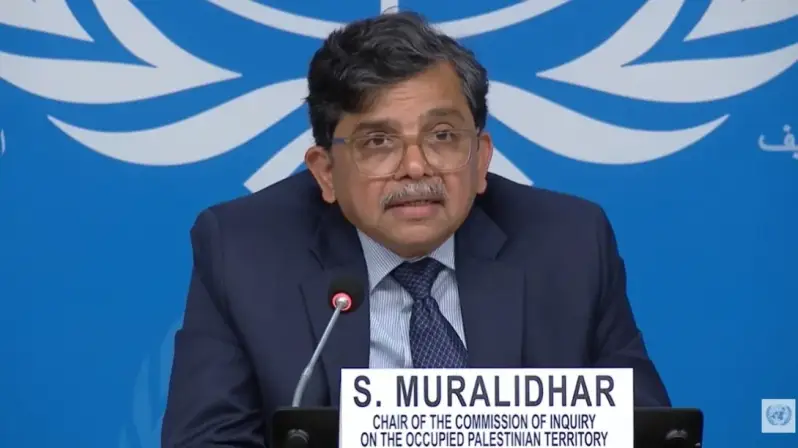
They say it kept going even after the ceasefire. The commission calls it part of genocide and straight up war crimes in the West Bank with settler violence and torture of detained kids. This chairman Srinivasan Muralidhar, came out hard and said the evidence shows kids were picked off on purpose. He talked about how an entire generation got destroyed with trauma, no schools, no future.
The report pushes for the International Criminal Court to go after Israeli leaders and says end the occupation. It builds on their earlier genocide finding. These are not small accusations. Israel shot it down like always. They say the UN is biased, uses bad sources, and ignores how Hamas hides behind civilians and sometimes uses kids. Israeli officials call the whole thing one sided and say their military only hits militants. But the numbers are massive and the pattern the UN lays out is tough to wave away completely.
This keeps showing the same ugly cycle. Billions in US support flows while reports like this pile up with claims of kids being wiped out. The lobby screams antisemitism at any criticism but the dead children do not lie.
Something is deeply wrong when one side can keep this going for years and the world just argues over reports instead of facing the reality on the ground.
THE FACTS
The full title of the document is “The essence of childhood has been destroyed”: Israel’s deliberate targeting of Palestinian children in the Occupied Palestinian Territory since 7 October 2023.
Commissioners examined events from October 2023 through at least early 2026. They say the pattern shows intent to destroy the Palestinian group in part. The report states that Israeli forces killed at least 20,000 Palestinian children and injured more than 44,000 others in Gaza and the West Bank. These figures cover the period since the October 2023 attacks. Killings and injuries continued even after a ceasefire took effect in October 2025.
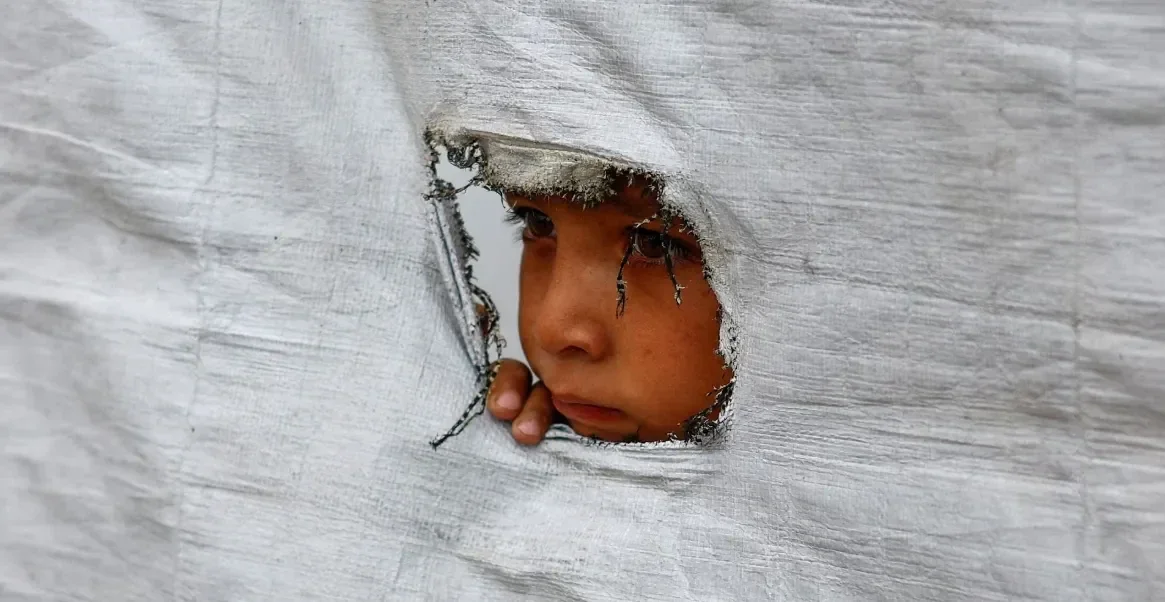
Commissioners claim Israeli forces used snipers, drones, and other means to target children directly. They also point to broader policies such as blockades that caused starvation and the destruction of hospitals, schools, and orphanages. These actions, the report says, caused mass trauma, orphanhood, and lifelong harm to an entire generation.
In the West Bank, the commission describes a sharp rise in violence by Israeli settlers against Palestinian children. It accuses security forces of using excessive force during raids and of mistreating detained children, including cases of torture and sexual violence. The report calls these war crimes.
Chair Srinivasan Muralidhar stated that evidence shows Palestinian children have been deliberately targeted and killed by Israeli security forces. He said even after the ceasefire, disregard for protections under international law continued. He added that the destruction of children’s health, education, and development is irreversible in many cases.
The commission ties the targeting of children to genocidal intent. It builds on the body’s earlier conclusion that Israel committed genocide in Gaza. Commissioners argue that attacking children undermines the future of the Palestinian people and their right to self-determination.
Israel has rejected the report’s findings. Israeli officials have criticized the commission’s methodology, its sources, and what they describe as one-sided conclusions. They maintain that military operations target Hamas militants who embed among civilians and use children in some cases.
The report calls on the international community to pursue accountability. It urges states to support legal mechanisms such as the International Criminal Court. Commissioners also recommend that Israel end its occupation of the West Bank in line with prior court opinions.
These allegations add fuel to ongoing debates about the Israel-Hamas conflict. They raise questions about compliance with international law, the role of commissions of inquiry, and efforts to protect civilians in urban warfare. Both sides continue to present sharply different accounts of events on the ground.
The findings are expected to influence discussions at the United Nations Human Rights Council and other forums. They may affect diplomatic relations, aid policies, and legal proceedings already underway.
Address Links
https://news.un.org/en/story/2026/06/1167790
https://www.ohchr.org/sites/default/files/documents/hrbodies/hrcouncil/sessions-regular/session62/a-hrc-62-crp-2.pdf (full report PDF)
FAIR USE COPYRIGHT NOTICE:
substack.com/@originalbrutaltruth JUNE 2026 The Copyright Laws of the United States recognizes a “fair use” of copyrighted content. The videos and YouTube channel in general may contain certain copyrighted works that were not specifically authorized to be used by the copyright holder(s), but which we believe in good faith are protected by federal law and the fair use doctrine for purposes such as criticism, comment, news reporting, teaching, parody, or research, is not an infringement of copyright. All video is for educational purposes only. We believe this constitutes a fair use of any such copyrighted material as provided for in section 107 of the US Copyright Law.
UN Reports Expose Scale of Harm to Palestinian Children and New Patterns of Sexual Violence by Israeli Forces
Sexual Violence Report Adds Israel to List with Verified Cases in Detention and Operations
Two United Nations reports released in 2026 have drawn sharp attention to Israel’s role in the ongoing conflict. They detail verified cases of serious harm to children and instances of sexual violence tied to the fighting in Gaza and the West Bank.
The first report tracks grave violations against children in armed conflicts worldwide during 2025. It recorded the highest total in three decades of monitoring. Global figures reached 38,558 grave violations that affected 24,174 children.
Killing and maiming caused the largest share of harm. More than 14,224 children were killed or maimed. The number of children killed rose 34 percent from the year before.
The Occupied Palestinian Territory and Israel recorded the highest levels of these violations anywhere. United Nations monitors verified 12,445 grave violations against 5,663 children in that area.
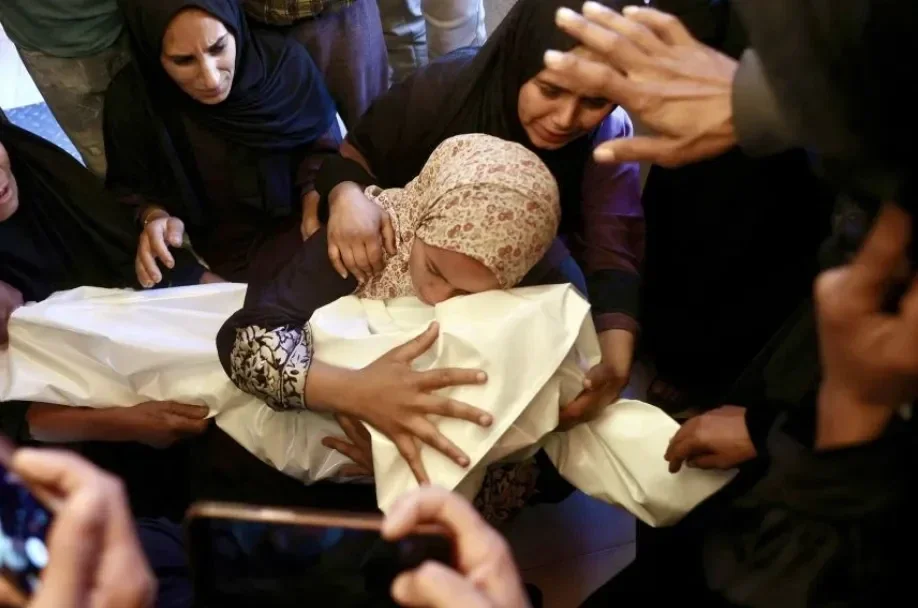
Israeli armed and security forces received attribution for 9,465 of those violations. Israeli settlers received attribution for 326 violations. These numbers cover killings, maiming, attacks on schools and hospitals, and blocks on humanitarian aid. In Gaza, monitors confirmed 2,668 Palestinian children killed. In the West Bank, they confirmed 57 Palestinian children killed. Thousands more children suffered maiming from airstrikes, tank shells, gunfire, and explosive remnants.
Explosive weapons used in crowded civilian areas drove much of the killing and maiming. Monitors also recorded thousands of incidents where aid was denied to children. This denial left many without food, medicine, or basic supplies needed to survive.
Secretary General Antonio Guterres stated he was appalled by the magnitude of violations in the Occupied Palestinian Territory and Israel. He expressed particular alarm over the rise in attacks by Israeli settlers against Palestinian children and called for Israel to follow international rules that protect civilians.
Palestinian armed groups, including Hamas military units, also faced continued listing for violations. Their attributed share remained far smaller than that linked to Israeli forces in the verified data for the area. A separate United Nations report on conflict related sexual violence added Israel to its list of parties for the first time. It documented verified cases involving 14 men, seven women, nine boys, and one girl from Gaza and the West Bank.
These 31 cases occurred mainly in detention settings, at checkpoints, and during military operations. Monitors described them as part of a pattern that includes rape, violence targeting genitals, forced nudity, threats of rape, and strip or cavity searches carried out without clear security reasons.
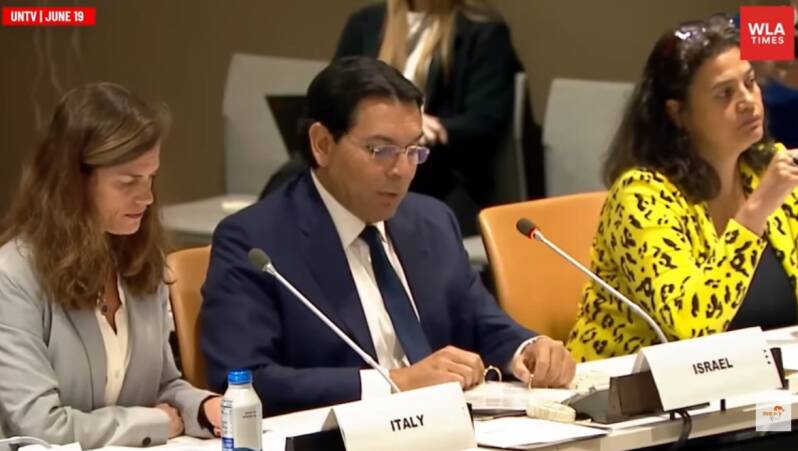
The report called many of these acts forms of torture. Pramila Patten, the United Nations official who led the sexual violence report, presented the findings as evidence of continued patterns by Israeli armed and security forces. Israel’s envoy Danny Danon rejected the report outright. He called it a new low and clashed openly with United Nations officials during related meetings.
The two reports together document a heavy documented toll on children. They show Israeli forces linked to the large majority of verified grave violations in the Palestinian territories.
They also record a new category of sexual violence findings against those same forces. All parties in any conflict must protect children under international rules. The United Nations data makes clear where the largest share of verified responsibility falls in this case. Without stronger accountability measures, the harm to children will persist.
Source Links:
https://news.un.org/en/story/2026/06/1167747
https://news.un.org/en/story/2026/05/1167603
https://childrenandarmedconflict.un.org/sites/default/files/2026-06/S_2026_357_UNEDITED.pdf
FAIR USE COPYRIGHT NOTICE:
https://substack.com/@originalbrutaltruth JUNE 2026 The Copyright Laws of the United States recognizes a “fair use” of copyrighted content. The videos and YouTube channel in general may contain certain copyrighted works that were not specifically authorized to be used by the copyright holder(s), but which we believe in good faith are protected by federal law and the fair use doctrine for purposes such as criticism, comment, news reporting, teaching, parody, or research, is not an infringement of copyright. All video is for educational purposes only. We believe this constitutes a fair use of any such copyrighted material as provided for in section 107 of the US Copyright Law.

What Exactly is The Greater Israel Project?
What Exactly is The Greater Israel Project?
Why The Promised Land looks like Real Estate Grabs
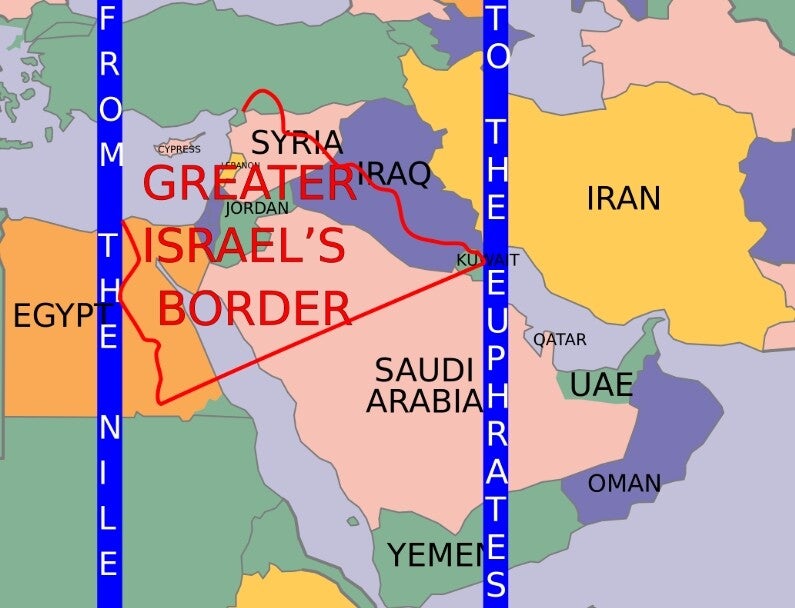
The biblical account of the Promised Land comes mainly from Genesis 15:18–21, where God tells Abraham the land of his descendants will stretch “from the river of Egypt to the great river, the Euphrates.” It lists ten peoples who lived there at the time.
More detailed borders appear in Numbers 34:1–12 and Ezekiel 47–48, which describe a smaller area running roughly from the Mediterranean Sea in the west to the Jordan River and beyond in the east, including parts of modern Lebanon and Syria in the north.
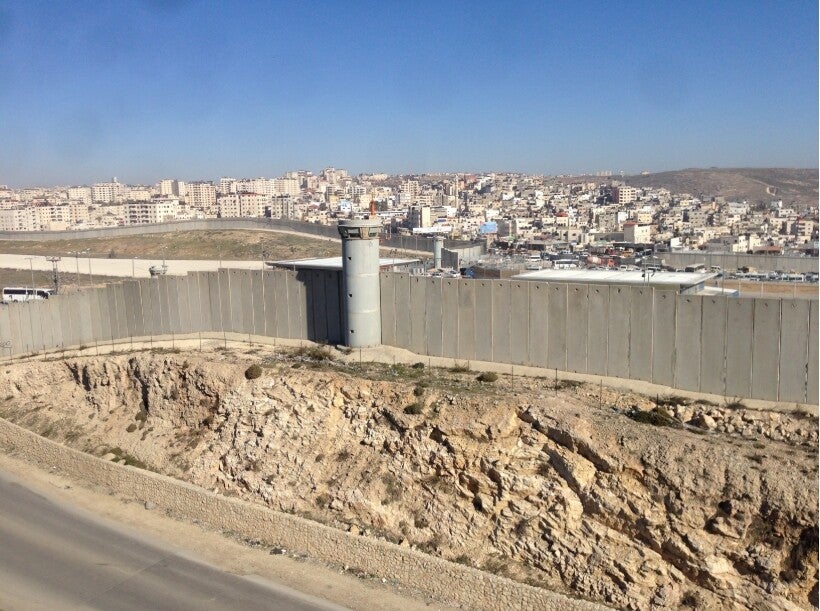
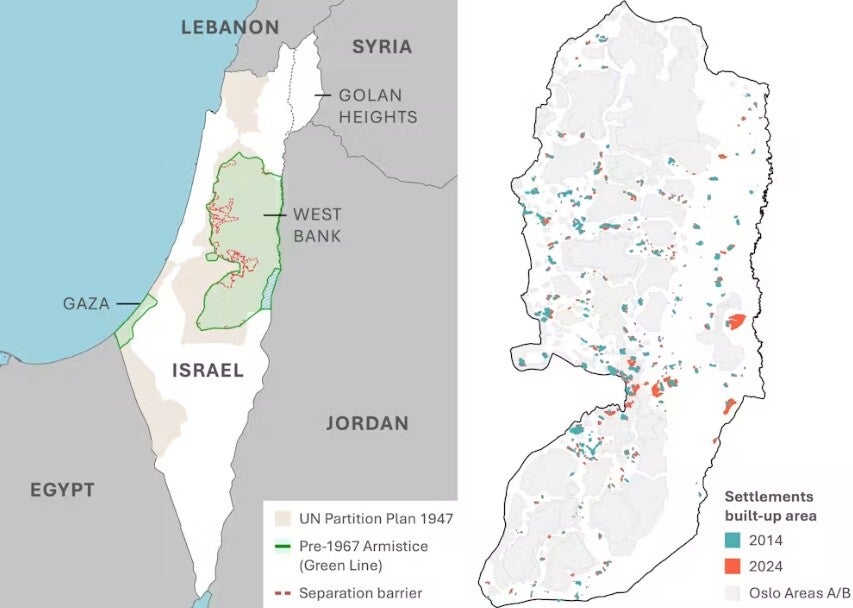
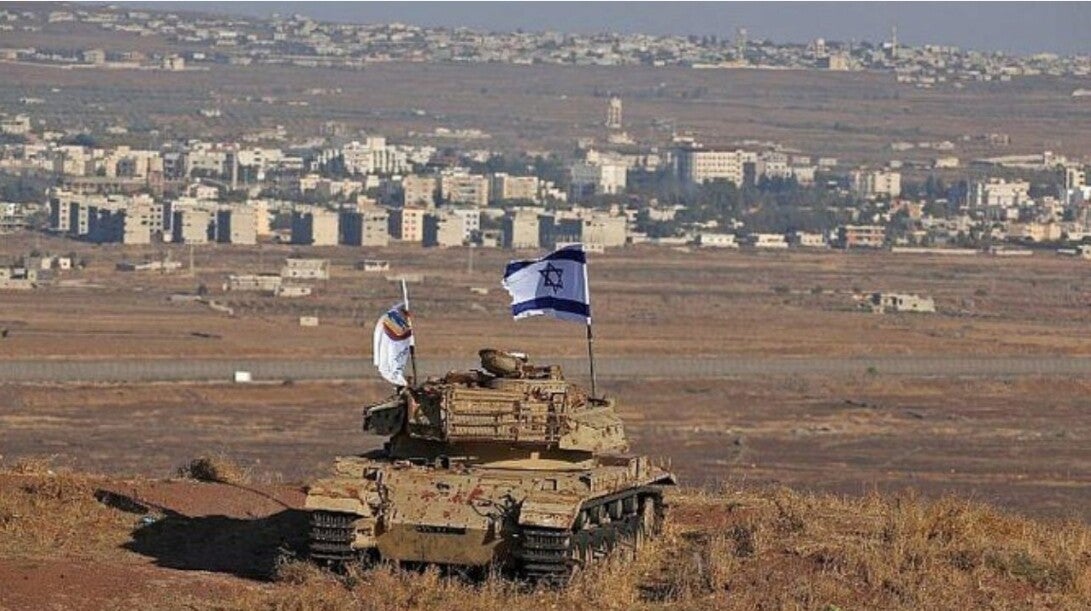
What Israel has already taken: Israel controls all of the core biblical heartland today — the land between the Jordan River and the Mediterranean Sea, including Judea, Samaria, Jerusalem, and the Galilee. They captured the West Bank and Gaza in 1967, withdrew from Gaza in 2005, and maintain security control over much of the West Bank. The Golan Heights, captured from Syria in 1967 and annexed in 1981, also overlaps with biblical territory.
What’s still considered unfulfilled by some: The maximalist reading wants territory reaching the Euphrates (deep into modern Syria, Jordan, and Iraq) and sometimes deeper into Sinai or Lebanon. Most religious Zionists focus on settling and retaining the West Bank rather than invading neighboring countries.
The Bible frames it as a divine promise, not a modern political roadmap. Different Jewish and Christian groups interpret how literally or when this applies.
Since Israel has already taken the core of the biblical promises of God, why are they then expanding more into other lands that are basically illegal under U.N. resolutions and boundaries?
The core reason is that most Israelis and Israeli governments do not see the West Bank as “other lands” in the way you framed it. They view Judea and Samaria as the literal biblical heartland of the Jewish people — the places where Abraham, Isaac, Jacob, David, and Solomon actually lived and ruled. To them, returning to those hills isn’t “expanding,” it’s coming home to ancestral land that was lost through conquest.
The UN resolutions calling settlements illegal are based on the post-1945 international norm against acquiring territory by war and the Fourth Geneva Convention’s rules on occupying powers not transferring their population into occupied land. Israel argues those rules don’t cleanly apply here because the West Bank wasn’t legally part of any sovereign country before 1967 — Jordan’s annexation of it was recognized by only two countries. They also say many settlements are on state land or bought land, not “seized.”
Practically, Israel wants the Jordan River as a permanent security border against threats from the east, and many Israelis believe giving up the high ground of the West Bank would make major population centers indefensible. Religious nationalists add the biblical claim on top of the security argument.
So it’s a collision of worldviews: the UN sees it as prohibited territorial expansion; Israel sees it as reclaiming and securing their biblical and historical homeland after surviving multiple wars. Both sides have their legal arguments and historical narratives. The dispute has remained unresolved for decades because neither side fully accepts the other’s premises.
So basically, we can see this as Israel using the Bible as its lawful reasons for extending itself further into other people’s lands.
Israel keeps grabbing more land in the West Bank and beyond while waving the Bible like a title deed. They already hold the main biblical heartland between the Jordan River and the sea, the places tied to their old stories of Abraham and David.
Yet they push settlements deeper into areas the world calls illegal under UN rules. If God promised them this land thousands of years ago, why does it look like endless real estate grabs today instead of some finished divine plan? Regular people watching this wonder if faith itself is on trial here.
Does believing in God mean you have to cheer every new outpost, or does it open the door to asking tough questions about what real obedience looks like?
The whole Greater Israel idea comes straight from those old Genesis lines about land from the Nile to the Euphrates. Some religious types in Israel treat that as unfinished business and keep settling spots that sit on other folks’ turf right now.
Palestinians live there by the millions, but to the hardliners it is not other peoples land, it is their God-given inheritance coming home. This setup turns a modern border fight into something bigger. It drags the question of God right into courtrooms and news cycles. If Israel leans on the Bible for its defense, then lawyers and governments end up arguing over whether ancient scripture counts as real estate law in 2026. That is a dangerous road because once you put God on the witness stand, faith stops being private belief and starts looking like a political weapon.
Americans foot a huge bill for all this through aid and military backing. We send cash and weapons while our own borders leak and our cities struggle. Why keep writing blank checks for a project that mixes holy books with tanks and bulldozers? If this is truly Gods plan unfolding, then maybe the rest of the world is supposed to sit back and watch without complaint.
But if it is just smart power politics dressed up in scripture, then we look like suckers for buying the story.
People are starting to ask out loud whether blind support tests our own common sense more than it tests anybody’s faith.
The friction keeps building because neither side bends. Israel says it needs the high ground for safety after getting attacked before, and the religious crowd adds that God backs their claim. The UN and most countries call the settlements straight theft under international law. Throw the Bible into the mix and suddenly judges might have to rule on whether divine promises beat modern treaties. That kind of case would rip open every debate about religion in public life. It forces regular folks everywhere to pick sides not just on maps but on whether they buy the whole God narrative at all. The conflict stops being about dirt and water and turns into a referendum on belief itself.
Plain truth is this endless push creates more enemies than it solves. Gaza got cleared out once and still blew up. West Bank settlements grow and the anger grows with them. If the goal is a secure Jewish state, the current path looks more like poking a hornet’s nest while demanding the world pay for the stings.
Americans did not sign up to referee ancient land deeds or fund one side in a holy war that never ends. We have our own problems at home that need every dollar and every bit of attention.
Supporting endless expansion just because of old stories stops making sense when it costs real blood and treasure today.
At the end of the day this mess puts faith under a microscope. If God really handed over that land, why does it need constant human force and American money to hold it? If it is not God but plain old national ambition, then the world has every right to push back hard without being called anti something.
The legal fights ahead could drag religion into global courts and force everyone to examine what they actually believe. Israel already controls the core biblical areas.
Anything more looks less like divine right and more like old-fashioned conquest wearing a holy mask. Time to call it what it is and stop pretending faith demands we ignore the obvious.
Resources
Here are the key reliable links on Greater Israel, biblical Promised Land borders (Genesis 15, Numbers 34, Ezekiel 47), Israel’s control of core areas like the West Bank/Golan, settlements, UN legality debates, and related arguments.
en.wikipedia.org
Greater Israel Concept & Maps
-
Wikipedia: Greater Israel — Detailed overview of biblical vs. political meanings, Nile-to-Euphrates claims, and modern interpretations.
https://en.wikipedia.org/wiki/Greater_Israel -
Al Jazeera: What is Greater Israel, and how popular is it among Israelis? (Feb 2026) — Explains biblical roots and current views.
https://www.aljazeera.com/news/2026/2/26/what-is-greater-israel-and-how-popular-is-it-among-israelis -
Times of Israel Blog: The “Greater Israel” Idea – History and Modern Implications
https://blogs.timesofisrael.com/the-greater-israel-idea-history-and-modern-implications/ -
Cornell University Digital Library: Dream of Zionism – Map of Greater Israel (historical map image)
https://digital.library.cornell.edu/catalog/ss:27009352
Biblical Borders & Promised Land
-
Bible Mapper: Borders of the Promised Land (Numbers 34 & Ezekiel 47 explained with maps)
https://biblemapper.com/blog/index.php/2022/12/18/borders-of-the-promised-land/ -
The Torah.com: Defining the Borders of the Land of Canaan – Numbers 34
https://www.thetorah.com/article/defining-the-borders-of-the-land-of-canaan-numbers-34 -
The Israel Bible: Biblical Boundaries of the Land of Israel (Genesis 15 & maps)
https://theisraelbible.com/biblical-boundaries-land-israel/ -
Joint the Journey: What Were the Boundaries of the Promised Land in the Bible?
https://www.jointhejourney.com/7032-what-were-the-boundaries-of-the-promised-land-in-the-bible
Settlements, West Bank, Golan & Legal Status
-
Wikipedia: Legality of Israeli settlements — UN resolutions, Geneva Convention, ICJ rulings.
https://en.wikipedia.org/wiki/Legality_of_Israeli_settlements -
UN Security Council Resolution 2334 (2016) — Declares settlements have “no legal validity.”
https://en.wikipedia.org/wiki/United_Nations_Security_Council_Resolution_2334 -
IMEU Fact Sheet: Israeli Settlements & International Law
https://imeu.org/resources/key-issues/fact-sheet-israeli-settlements-international-law/215 -
Wikipedia: Golan Heights (capture 1967, annexation 1981, biblical overlap)
https://en.wikipedia.org/wiki/Golan_Heights
Sharing is Caring!
@1TheBrutalTruth1 JUNE 2026 Copyright Disclaimer under Section 107 of the Copyright Act of 1976: Allowance is made for “fair use” for purposes such as criticism, comment, news reporting, teaching, scholarship, education, and research.


How Israel-First Efforts Lock Down Discussion on Sensitive Topics - Your Opinions Are Not Allowed
Israel Trains Forces to Shape Global Opinion While Targeting AI and Podcasters
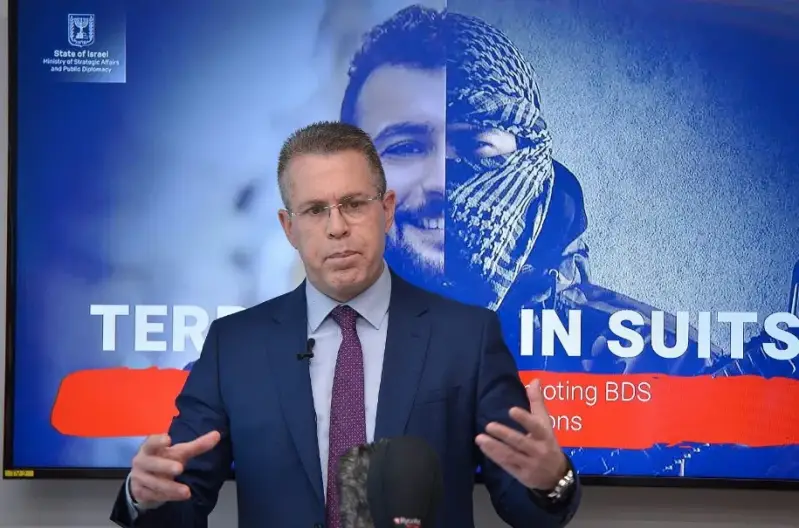
Israel’s defense establishment runs formal training programs for soldiers and officials to shape public opinion at home and overseas.
A leaked Defense Ministry tender from last July details courses on psychological operations aimed at influencing consciousness in Israel and foreign countries.
These programs teach how to plan information campaigns, craft targeted messages, measure results, and adjust future efforts. They cover propaganda techniques, deception, handling deepfakes, and evading platform rules on sites like Facebook and Google.
The courses run in Hebrew and English for domestic personnel, overseas staff, and unnamed foreign partners. Academics outside the military handle instruction. Up to 320 experts train each year across eight courses. Content includes offensive operations that actively disrupt beliefs and behaviors of target groups rather than just defending narratives. This setup shows a deliberate, organized push to manage how people think about Israeli policies and military moves. Supporters of Israel put real effort into steering AI tools and online voices. Israel spent millions on contracts to optimize content for large language models like ChatGPT and others. The goal is to seed the web with material that tilts AI answers toward pro-Israel framing on sensitive topics. This includes work with firms to build websites that look neutral but feed preferred narratives into generative AI systems.
Groups tied to Israel have flagged thousands of social media posts for removal. They use insider connections at tech companies to speed up takedowns of content labeled as inflammatory or critical.
This goes beyond official channels and targets posts that question Israeli actions or show sympathy for Palestinians. The pattern reveals a clear intent to limit open discussion. Podcasters and independent voices face pressure when they stray from approved lines. Coordinated reporting, flagging campaigns, and public complaints aim to DE platform or discredit those who present facts that challenge the dominant narrative. This approach treats free speech as a problem to solve rather than a right to protect. It prioritizes message control over open debate.
The timing matters. These efforts intensified during the Gaza conflict. Israel ran covert fact-checking operations disguised as nonprofit work to shape coverage. At the same time, training for broader influence operations expanded. The combination shows a state-level commitment to winning the information fight alongside military actions. Tech platforms play along in many cases. Reports document removals of critical content after direct interventions from Israeli-linked groups. AI companies receive tailored data to adjust outputs. This creates an uneven field where one side gets amplified and the other gets muted or removed. Users end up with filtered information instead of raw facts.
Critics point out the hypocrisy. Israel demands unrestricted speech when it suits its interests but works overtime to shut down opposing views. The same government that complains about bias invests heavily in its own propaganda infrastructure.
Training soldiers in deception while calling out others for disinformation reveals inconsistent standards. Everyday people notice the results. Searches on major AI tools often return responses that lean one way on Israel-related questions. Social media feeds get cleaned of uncomfortable footage or analysis. This engineered environment makes it harder to form independent opinions based on full information. It treats the public like targets to manage rather than citizens to inform.
The strategy relies on money, connections, and persistence. Multi-million dollar contracts, volunteer networks inside tech firms, and government-backed training all feed the same goal. It does not hide the desire to dominate the conversation.
When platforms resist or independent voices push back, the response is more pressure, not more openness. This reality leaves users with a simple choice. Accept curated narratives or dig for primary sources and cross-check claims.
Influence operations like these thrive when people stay passive. Questioning every official line and supporting platforms that resist censorship remains the only practical defense against coordinated message control.
Sources:
https://www.972mag.com/leaked-idf-propaganda-israel-intelligence/
https://theintercept.com/2024/01/10/israel-disinformation-social-media-iron-truth/
https://en.wikipedia.org/wiki/Hasbara
Sharing is Caring!
@1TheBrutalTruth1 JUNE 2026 Copyright Disclaimer under Section 107 of the Copyright Act of 1976: Allowance is made for “fair use” for purposes such as criticism, comment, news reporting, teaching, scholarship, education, and research.


Complaining About Resistance While Occupying Lebanon
Overreach and Consequences: Israel’s Lebanon Gamble
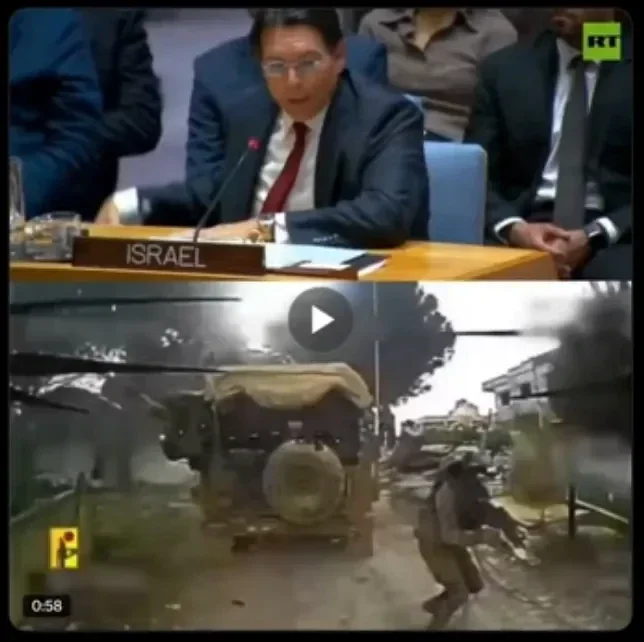
Israel’s ambassador to the United Nations showed up with a small Hezbollah drone and complained about the threat these weapons pose to Israeli forces.
He described them as cheap, hard to detect, and deadly once overhead. The message was clear: these drones fly low, use fiber optic cables that resist jamming, and deliver precise strikes.
This complaint came while Israeli troops operated inside southern Lebanon. Israel launched its ground operation after Hezbollah fired thousands of rockets into Israel, many starting right after the October 7, 2023 Hamas attack. Hezbollah acted in support of its ally. Israel says it had no choice but to act to secure its border and enforce UN Resolution 1701, which requires Hezbollah forces north of the Litani River.
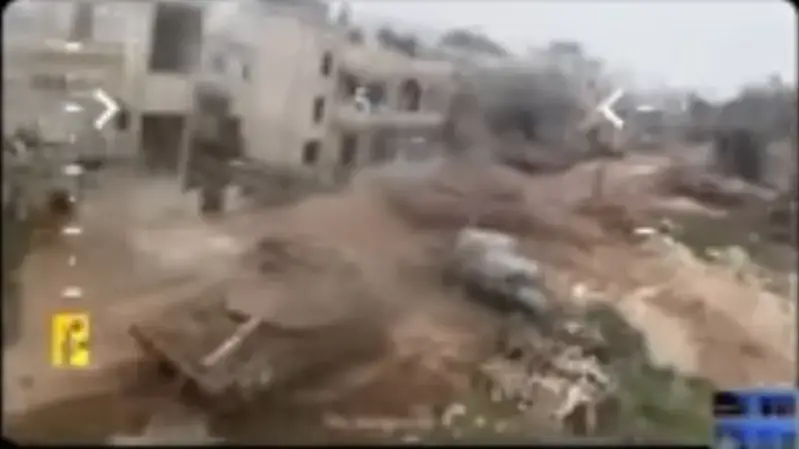
The facts on the ground show these drones work. Fiber optic FPV drones, some weighing under two kilograms and guided by thin cables, evade many Israeli electronic defenses. Hezbollah has used them to hit soldiers, tanks, vehicles, and positions in southern Lebanon. Reports confirm Israeli casualties from these strikes, including deaths and injuries even after ceasefire attempts.
Israel has significant firepower. It has conducted thousands of strikes across Lebanon, damaging infrastructure and causing thousands of deaths, many civilians according to Lebanese authorities. In Gaza, satellite data shows around 70 to 80 percent or more of structures damaged or destroyed in various areas, creating massive rubble and humanitarian problems.
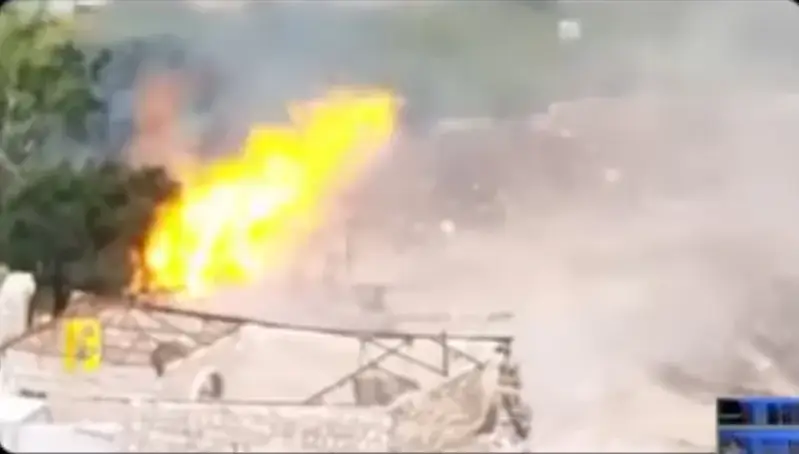
Hezbollah isn’t passive. The group releases videos of strikes on IDF targets during the incursion. These low cost drones change the fight by letting operators deliver explosives directly with live video feeds. Similar tactics appear in Ukraine, where both sides adapted to drone warfare. Israel has sought ways to counter them, including from allies.
The ambassador’s UN presentation ignores the sequence. Hezbollah’s rocket campaign displaced Israelis from the north. Israel responded with air and ground operations to degrade Hezbollah’s capabilities.
Critics call the entry an illegal invasion that violates sovereignty. Israel frames it as lawful self defense against an armed group embedded in Lebanon that refuses to disarm.
Both sides hide full casualty numbers. Israel limits public details on losses in Lebanon and from Iranian actions. Lebanese and Hezbollah reports claim heavy damage to Israeli equipment. Independent counts show hundreds of Hezbollah fighters killed and Israeli soldiers lost in the fighting.
The IDF faces real pressure. Its chief of staff warned the military risks collapsing under the strain of multiple fronts, manpower shortages, and extended operations. Calls for drafting ultra Orthodox Jews highlight internal tensions over who fights. Overextension across Gaza, Lebanon, and other threats stretches resources.
Modern warfare favors cheap precision tools. Drones cost hundreds of dollars but force expensive responses and cause real harm. Israel, with advanced systems built for different threats, struggles against this shift. Adversaries like Hezbollah and Iran study and copy effective tactics from other conflicts.
Israel’s officials talk about security needs. Some voices push broader territorial ideas under concepts like Greater Israel, though official policy focuses on defense and buffer zones rather than open expansion. The pattern of operations raises questions about long term goals versus stated self defense.
The UN appearance highlights double standards. A country with leaders facing war crimes accusations suddenly appeals to international bodies over enemy tactics.
If the goal is security, withdrawing from Lebanese territory and addressing root threats through diplomacy might reduce drone attacks more than speeches. Hezbollah fights back effectively despite losses. Israel holds military superiority but pays costs in lives, equipment, and global opinion.
This conflict shows the limits of overwhelming force against determined, adaptive opponents using simple technology. Both sides suffer. Civilians pay the highest price. The drone complaints reveal a military facing new realities it did not fully anticipate.
UN Victim Hour Featuring the Worlds Most Confused Invaders
The Brutal Truth…
If You Don’t Want Drones Up Your Ass Don’t Invade the Damn Country … Basic survival rules the IDF keeps forgetting
Here’s a wild idea that apparently requires a United Nations seminar to understand: If you do not want missiles flying back at you...Then don’t illegally invade somebody else’s country. It’s amazing how people act shocked when they kick in the front door and the homeowner grabs a gun...
Then they run to the cameras crying, “Can you believe this guy shot me?” Yeah, because you broke into his house. That’s not complicated foreign policy. You don’t get to start the fight, flip over the table, punch everybody in the face, and then demand sympathy because somebody finally punched back.
Cause and effect isn’t controversial. It’s the oldest rule on Earth: if you leave people alone, your chances of getting shot at drop dramatically. What a revolutionary concept. Also... Never play by somebody else’s rules.
----
Address Links
-
https://www.bbc.com/news/articles/c0r2ydlvk41o (Hezbollah fiber optic drones)
-
https://www.timesofisrael.com/zamir-said-to-warn-cabinet-that-idf-will-collapse-in-on-itself-amid-manpower-shortage/ (IDF chief warning)
-
https://en.wikipedia.org/wiki/2024_Lebanon_war (Conflict overview)
Sharing is Caring!
@1TheBrutalTruth1 JUNE 2026 Copyright Disclaimer under Section 107 of the Copyright Act of 1976: Allowance is made for “fair use” for purposes such as criticism, comment, news reporting, teaching, scholarship, education, and research.
Israel pushes back hard against Trump pressure on Lebanon operations
Israel's Right Wing Faces a Choice: Follow Trump or Follow Its Own Agenda
Trump wants stability to move forward on bigger regional deals, including with Iran. Fresh chaos from Lebanon risks blowing those up.
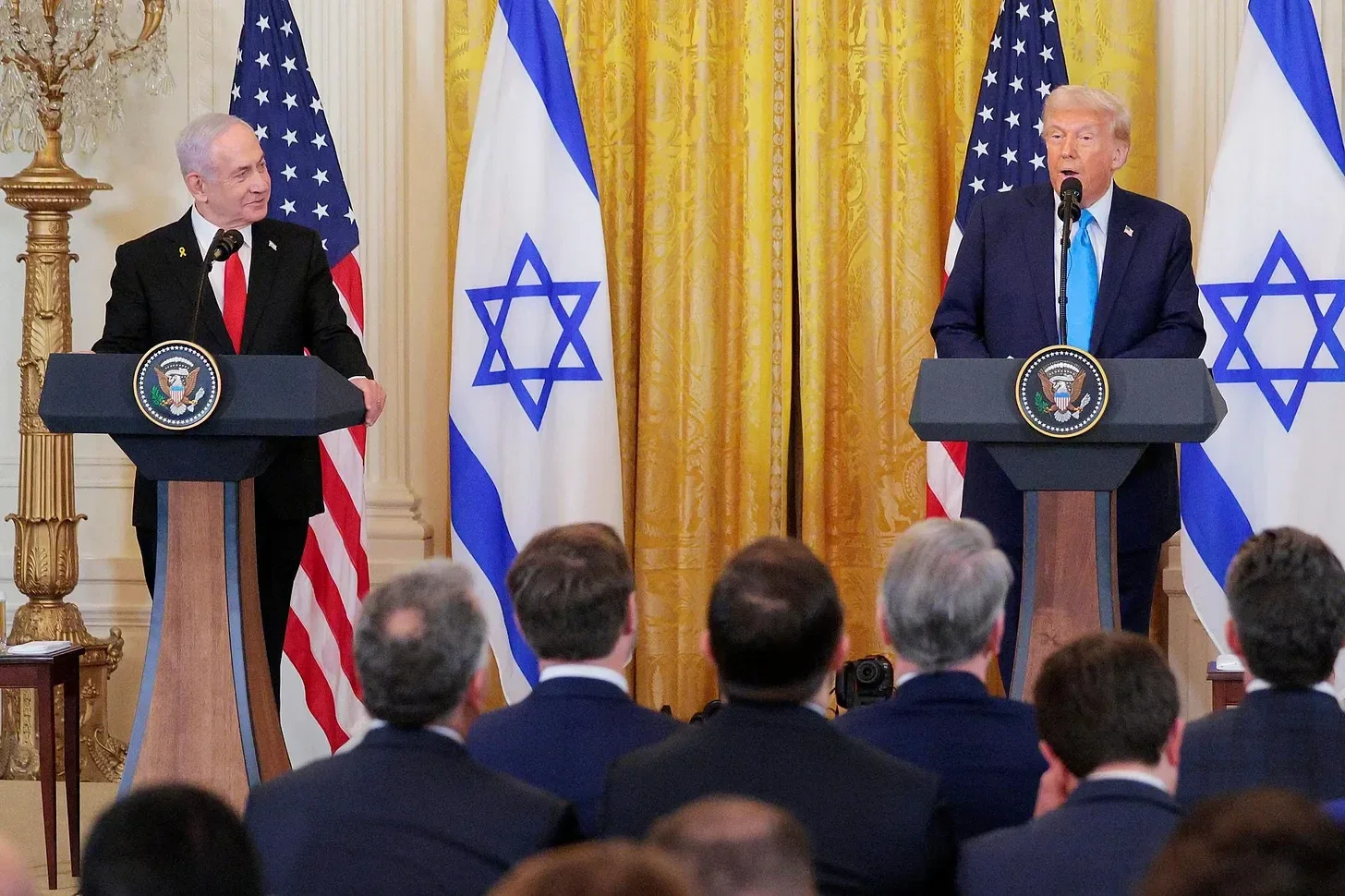
He sees Netanyahu’s government as creating problems that hurt American interests and make Israel look isolated. The phone call highlighted how far apart their priorities are right now.
Netanyahu walked a careful line after the call. He confirmed the conversation but made clear Israel would not abandon its plans in southern Lebanon. He left the door open for stronger action if attacks continue. This shows Israel is willing to listen but not to fully submit when its security is on the line.
The episode reveals real limits in the alliance. The United States provides massive support, but Israel is a sovereign nation with its own survival calculations. Officials there believe giving in too easily invites more pressure later and signals weakness to enemies like Hezbollah and Iran.
Israeli leaders are making it clear they will not let the United States dictate every move in their fight against Hezbollah. After President Trump pressed Prime Minister Benjamin Netanyahu to pull back from planned strikes on Beirut, several top Israeli officials openly called for defiance. They argue Israel must protect its own security interests even when it creates tension with Washington.
The biggest area of disagreement involves sovereignty, settlements, and the future of territory claimed by both Israelis and Palestinians. Many nationalist politicians in Israel believe that Judea and Samaria, known internationally as the West Bank, are historically and strategically essential to Israel’s future. Some support extending full Israeli sovereignty over those territories.
Trump has repeatedly signaled limits to how far he is willing to support those ambitions. Reports and public statements indicate that his administration has opposed moves toward formal annexation while simultaneously supporting Israel’s security concerns.
The larger question moving forward is whether Israel’s leaders will prioritize maintaining close alignment with Washington or continue pursuing policies that some American officials oppose. That decision will shape not only the future of U.S. Israel relations, but also the future of the broader Middle East.
Address Links
https://thesoufancenter.org/intelbrief-2025-december-22/
https://www.jpost.com/israel-news/article-897115
https://www.jpost.com/israel-news/politics-and-diplomacy/article-898056
https://www.axios.com/2026/06/01/trump-netanyahu-israel-lebanon-call
Sharing is Caring!
@1TheBrutalTruth1 JUNE 2026 Copyright Disclaimer under Section 107 of the Copyright Act of 1976: Allowance is made for “fair use” for purposes such as criticism, comment, news reporting, teaching, scholarship, education, and research.
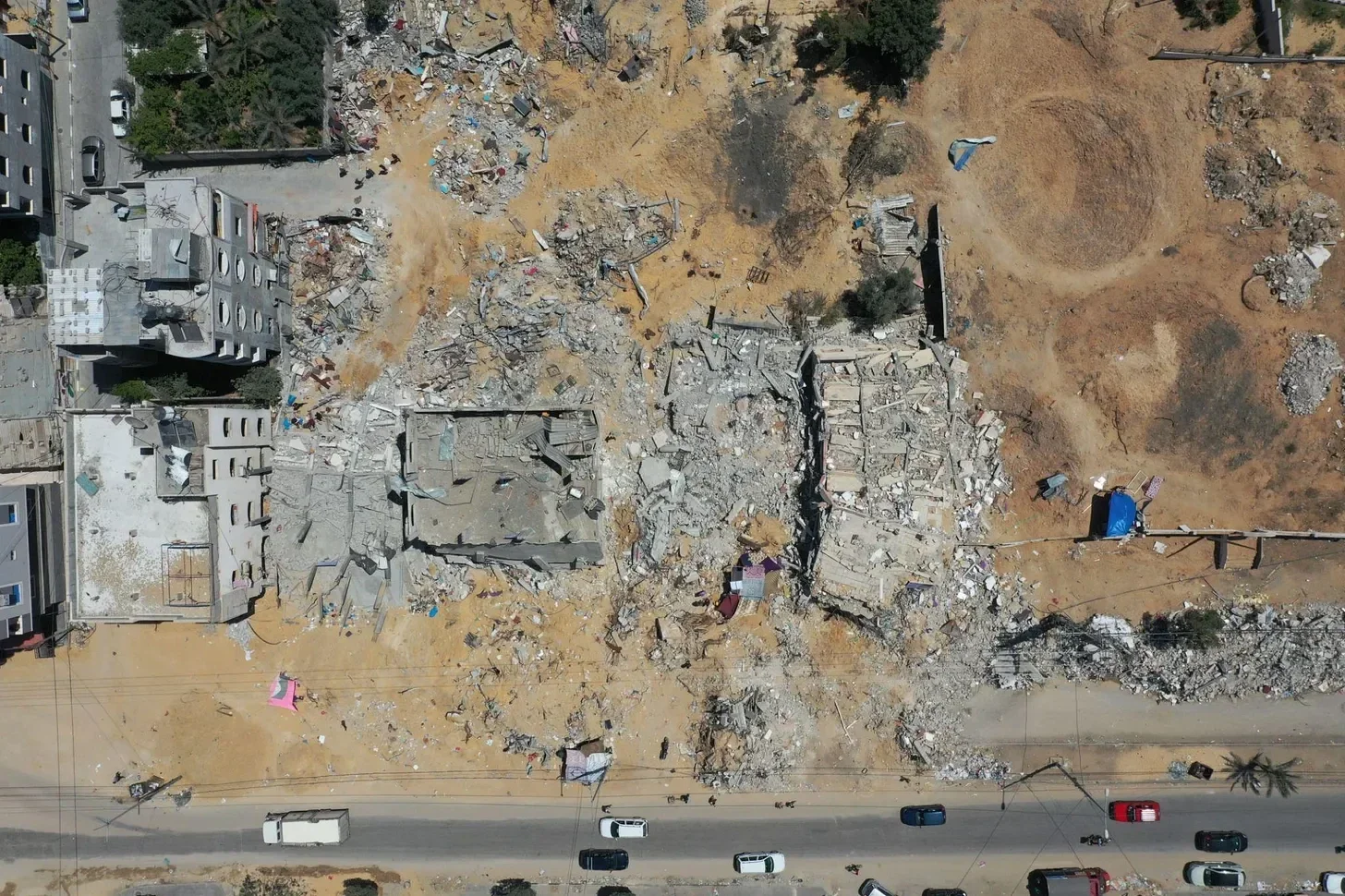
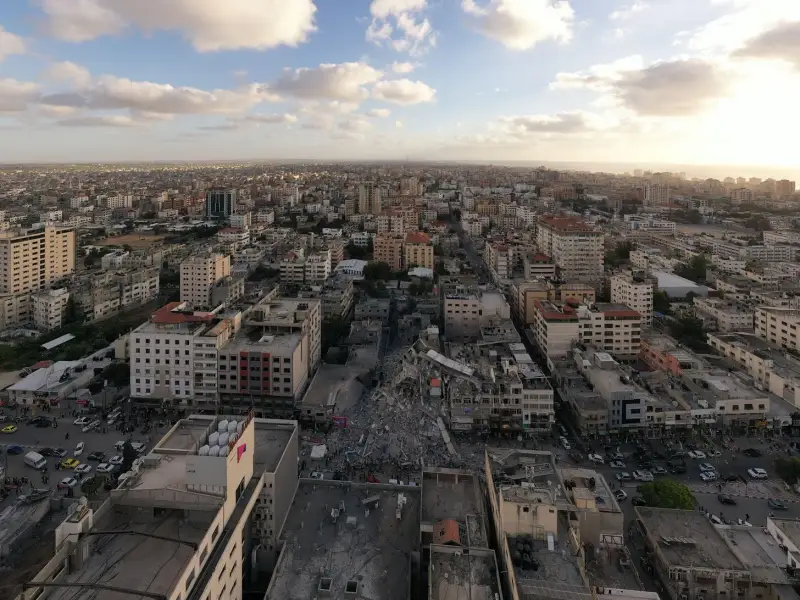
Palestine, Territory, and Power: The Growing Fight Over Israel’s Expanding Control
Competing Narratives in a Conflict Without Resolution
The conflict between Israel and the Palestinians has never been only about security, terrorism, borders, or religion. At its core, it is also a struggle over land, sovereignty, political rights, and competing historical claims.
Today, many critics argue that what began as a territorial dispute has evolved into a process that increasingly places more Palestinian land under Israeli control.
Supporters of Israel reject that characterization and argue that military actions and security measures are necessary responses to decades of war, terrorism, and regional hostility. The reality is that the conflict remains one of the most contested and emotionally charged issues on Earth.
Since the creation of the State of Israel in 1948, the map of the region has changed repeatedly through wars, armistice agreements, military occupations, peace treaties, and settlement expansion. Palestinians point to the steady reduction of territory under Palestinian administration as evidence that their hopes for an independent state are being steadily weakened. Israeli leaders, on the other hand, often argue that territorial control has resulted from wars initiated against Israel and from ongoing security threats that remain unresolved.
The idea of a “two state solution” dominated international diplomacy for decades. Under this framework, Israel and a future Palestinian state would exist side by side. However, confidence in that outcome has steadily declined. Continued settlement expansion in the West Bank, political divisions among Palestinians, security concerns inside Israel, and repeated failures of peace negotiations have left many observers questioning whether a viable Palestinian state can still emerge. Critics argue that facts created on the ground are making separation increasingly difficult.
The legal status of Israeli settlements remains one of the most controversial issues in the conflict. In July 2024, the International Court of Justice issued an advisory opinion stating that Israel’s continued presence in occupied Palestinian territories and settlement policies violate international law. Israel rejected the ruling, arguing that the court ignored Israel’s security concerns and historical claims. Nevertheless, the opinion intensified international debate about whether the current situation amounts to a form of annexation in practice, even when formal annexation has not been declared.
Recent developments have fueled concerns among critics who believe Israeli control is expanding beyond traditional security objectives. Israeli officials have openly discussed extending sovereignty in parts of the West Bank, while settlement construction and administrative changes have continued. Opponents view these moves as evidence that permanent Israeli control is replacing temporary occupation. Supporters argue that such measures reflect realities on the ground and protect Israeli communities from future attacks.
The war in Gaza has intensified these concerns. Israeli military operations following the October 2023 Hamas attacks dramatically altered conditions inside Gaza. As military campaigns expanded, questions emerged about what Gaza’s future political structure would look like after the fighting. Critics feared permanent Israeli control or large scale displacement of Palestinians. Israeli officials have maintained that military operations are directed at eliminating security threats and preventing future attacks.
Claims that a secret plan exists to absorb all Palestinian territory into Israel remain highly disputed and are not established facts. There is evidence that some Israeli political figures advocate annexation of parts of the West Bank. However, claims that international peace initiatives were merely a cover for a predetermined takeover are matters of political interpretation rather than proven fact. Responsible analysis requires distinguishing between documented government actions and broader allegations that remain contested.
The humanitarian consequences of the conflict have become impossible to ignore. Palestinians have suffered massive displacement, destruction of infrastructure, economic collapse, and large civilian casualties. At the same time, Israelis continue to cite ongoing threats from Hamas, Hezbollah, and other armed groups as evidence that security concerns remain real and immediate. The result is a cycle in which each side points to genuine suffering while accusing the other of being responsible for its continuation.
Lebanon has also become increasingly entangled in the regional struggle. Israeli military operations against Hezbollah have expanded beyond routine border exchanges, leading to concerns that buffer zones and security areas could become more permanent features of the landscape. Israeli leaders describe such actions as defensive measures designed to prevent attacks. Critics argue they risk creating new territorial disputes and deepening instability throughout the region.
Iran remains a major factor in the broader regional picture. Israeli leaders frequently identify Iran’s support for Hamas, Hezbollah, and other militant groups as a central threat. Any discussion of Israeli territorial policy cannot be separated from Israel’s belief that hostile regional actors continue seeking its destruction. Likewise, critics argue that citing security threats should not excuse indefinite occupation or territorial expansion. These competing arguments remain at the heart of the international debate.
The larger truth is that decades of diplomacy have failed to resolve the fundamental questions. Who controls the land? Who possesses sovereignty? What borders are legitimate? What rights belong to Palestinians?
What security guarantees belong to Israelis? Until those questions are answered through a political settlement accepted by both peoples, accusations of occupation, annexation, displacement, and injustice will continue to dominate headlines.
The modern Middle East remains trapped between competing narratives. One side sees a nation defending itself against existential threats. The other sees a people steadily losing land, rights, and the possibility of statehood. Neither narrative can be ignored if the goal is understanding reality rather than repeating slogans. The conflict’s future will likely be determined not by speeches or public relations campaigns, but by the facts established on the ground and the political choices made in the years ahead.
Address links
https://www.icj-cij.org/case/186
https://www.icj-cij.org/node/204176
https://www.icj-cij.org/index.php/node/204160
https://www.icj-cij.org/case/186/advisory-opinions
https://www.un.org/unispal/document/report-of-the-secretary-general-icj-19dec24/
https://www.undocs.org/A/RES/77/247
https://www.axios.com/2024/07/19/icj-rules-israeli-settlements-illegal-annexation
https://time.com/6696453/icj-case-occupation-israel-palestine/
https://www.ft.com/content/dbc5901e-e6af-49af-8360-a828ab071827
https://verfassungsblog.de/book/the-2024-icj-advisory-opinion-on-the-occupied-palestinian-territory/
https://en.idi.org.il/articles/55384
Sharing is Caring!
@1TheBrutalTruth1 JUNE 2026 Copyright Disclaimer under Section 107 of the Copyright Act of 1976: Allowance is made for “fair use” for purposes such as criticism, comment, news reporting, teaching, scholarship, education, and research.
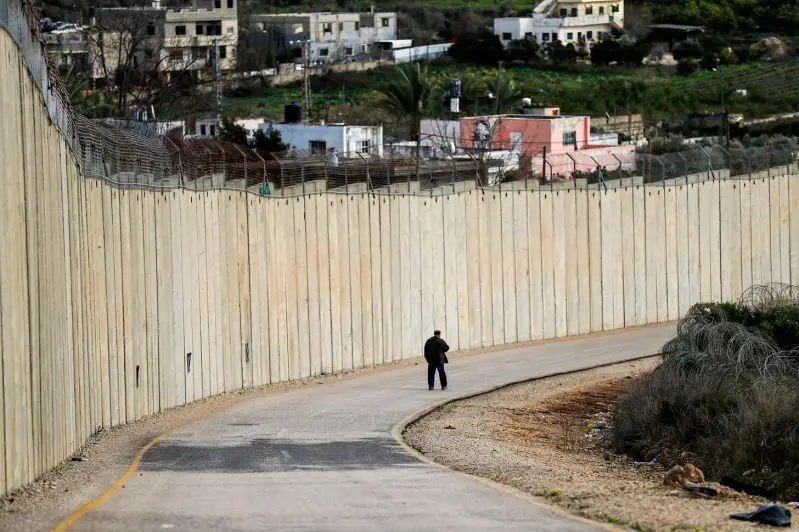
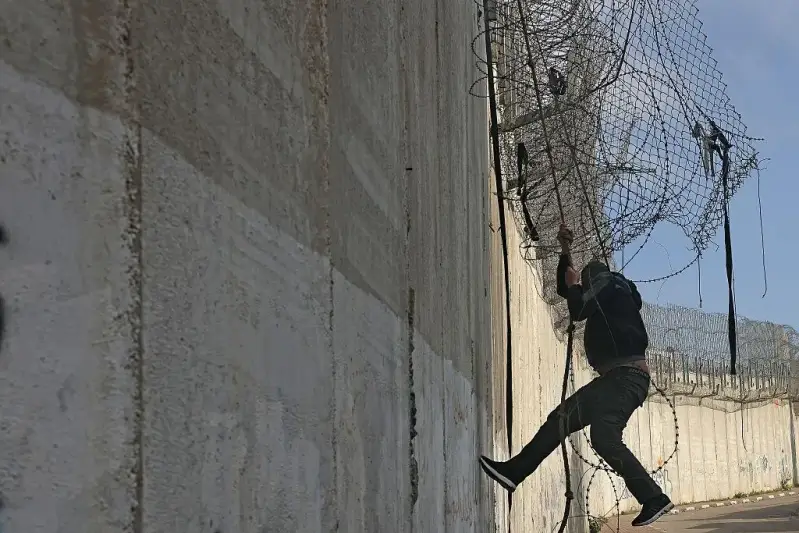
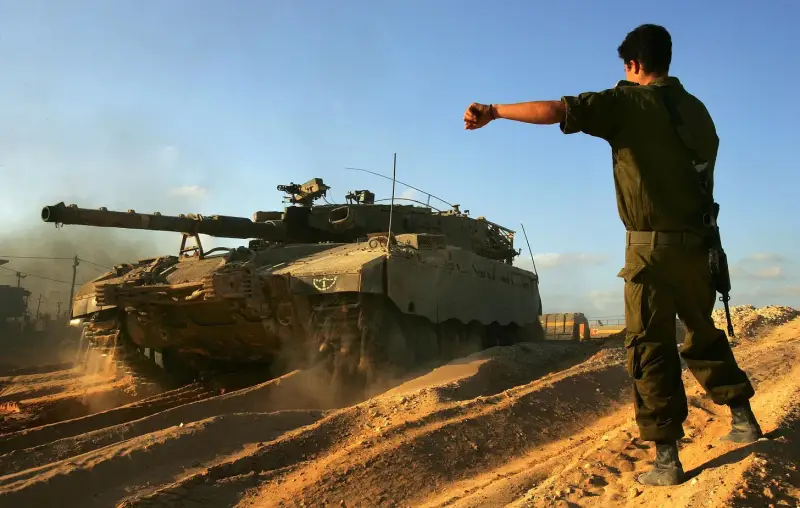
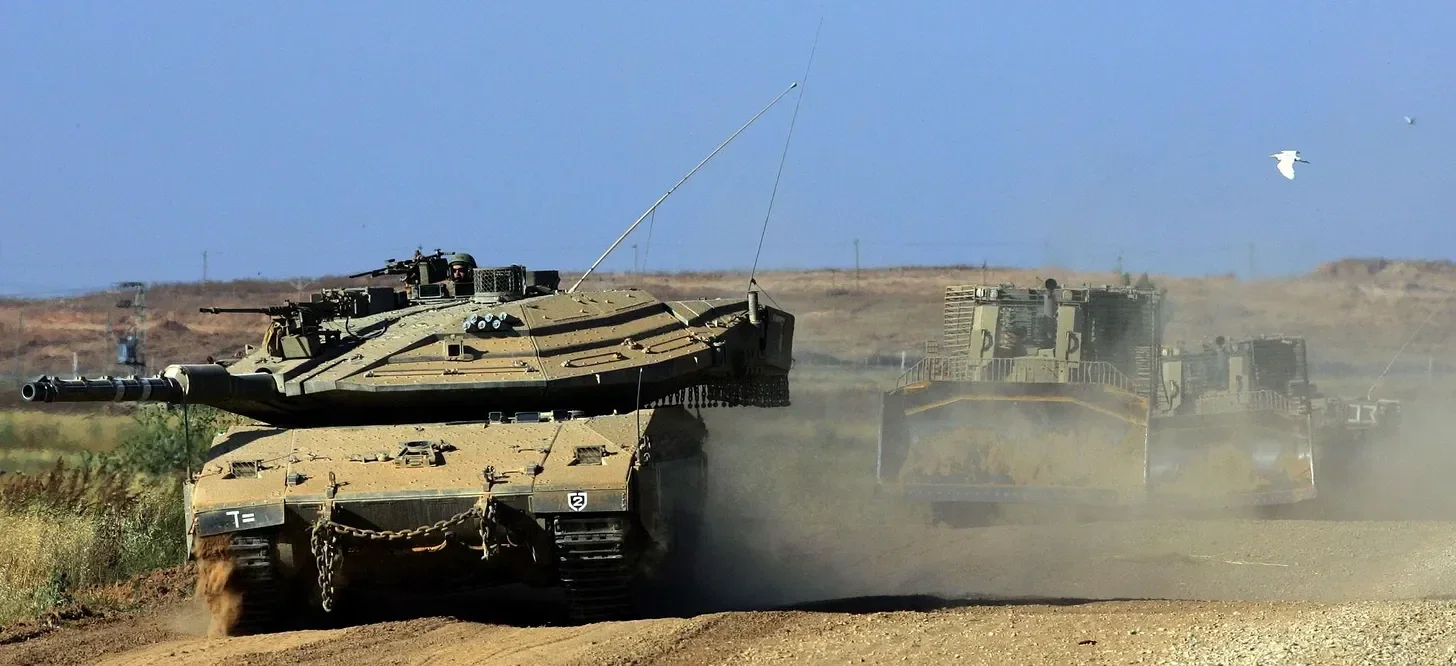
Critics Say Netanyahu’s Gaza Strategy Risks Fueling Future Extremism Across the Region
Can Force Alone Deliver Security in Gaza?
The war in Gaza has generated one of the most intense debates in modern Middle Eastern politics. At the center of that debate is whether military actions designed to eliminate armed groups can instead create conditions that fuel future radicalization.
Critics of Israeli Prime Minister Benjamin Netanyahu argue that current policies risk producing exactly that outcome.
Reports that Israeli forces were ordered to expand control over large portions of Gaza have intensified concerns among humanitarian organizations, foreign governments, and regional observers.
Supporters of the policy argue that Hamas must be deprived of territory and infrastructure to prevent future attacks. Opponents argue that long term military occupation and large scale displacement could deepen resentment and instability.
One of the most difficult realities of modern counterterrorism is that military victories do not always produce political stability. History offers numerous examples where armed groups were weakened on the battlefield only to see new generations emerge later.
Experts studying insurgencies often point to political grievances, economic hardship, displacement, and civilian suffering as factors that can contribute to radicalization.
This doesn’t mean terrorism is justified. Deliberately targeting civilians remains illegal under international law and is condemned by governments around the world. However, understanding why extremist movements attract recruits is different from excusing their actions. Security experts often stress that preventing future terrorism requires understanding the conditions that allow extremist organizations to grow.
Critics of Netanyahu’s strategy argue that Gaza risks becoming a case study in this problem. Widespread destruction, displacement, and civilian casualties have created anger throughout much of the Arab and Muslim world. Opponents warn that these conditions may become powerful recruiting tools for extremist organizations seeking to expand their influence.
Supporters of the Israeli government reject that argument. They contend that Hamas initiated the current war through its October 7 attacks and that Israel has a right to defend itself against organizations committed to its destruction. From this perspective, military pressure is viewed as a necessary response rather than a cause of future violence.
The debate becomes even more complicated when ceasefire negotiations enter the picture. Critics have accused both Israel and Hamas at various points of undermining potential agreements. Each side frequently claims the other side violated understandings, changed conditions, or refused compromise. The result is a deep lack of trust that makes lasting agreements difficult to achieve.
Trust is often the first casualty in prolonged conflicts. When populations come to believe that negotiations will not produce results, support for hard line positions can increase. This dynamic has affected Israeli, Palestinian, Lebanese, Syrian, and other regional populations for decades.
The broader regional impact cannot be ignored. Governments across the Middle East are closely watching developments in Gaza. Public anger over the conflict has placed pressure on leaders throughout the region. At the same time, many Arab governments remain concerned about the influence of extremist organizations that seek to exploit the crisis.
A central question remains unanswered: can security be achieved through military force alone? Many analysts argue that military operations can disrupt threats temporarily but cannot resolve underlying political disputes. Long term stability typically requires political solutions, economic development, functioning institutions, and some degree of public legitimacy.
The conflict also demonstrates the danger of reducing complex problems to simple explanations. Terrorism does not emerge from a single cause. It’s shaped by ideology, political conflict, religious extremism, regional rivalries, historical grievances, leadership decisions, and social conditions.
What is clear is that decisions made today will influence the region for years to come. Whether current policies ultimately weaken extremism or contribute to future instability remains a subject of fierce debate. The answer will likely depend not only on military outcomes, but also on what political conditions exist after the fighting ends.
Address Links
Reuters
https://www.reuters.com/world/middle-east/
Associated Press
https://apnews.com/hub/israel-hamas-war
United Nations Office for the Coordination of Humanitarian Affairs
International Crisis Group
https://www.crisisgroup.org/middle-east-north-africa/east-mediterranean-mena/israelpalestine
Council on Foreign Relations
https://www.cfr.org/global-conflict-tracker/conflict/israeli-palestinian-conflict
International Committee of the Red Cross
https://www.icrc.org/en/where-we-work/middle-east/israel-and-occupied-territories
Brookings Institution
https://www.brookings.edu/topic/middle-east
Carnegie Endowment for International Peace
https://carnegieendowment.org/region/middle-east-and-north-africa/
Sharing is Caring!
@1TheBrutalTruth1 MAY 2026 Copyright Disclaimer under Section 107 of the Copyright Act of 1976: Allowance is made for “fair use” for purposes such as criticism, comment, news reporting, teaching, scholarship, education, and research.
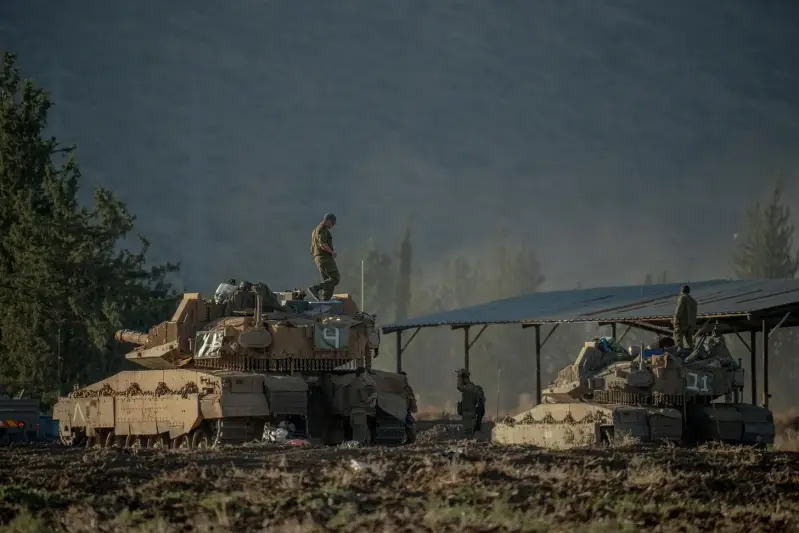
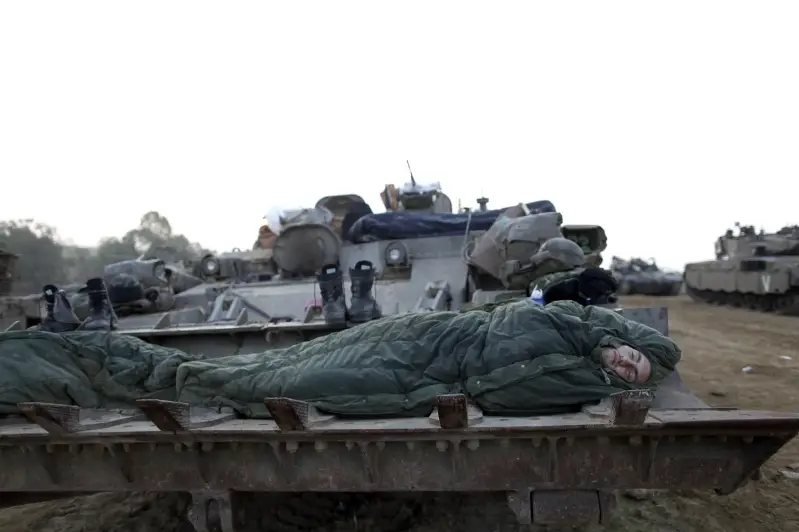
Netanyahu’s Lebanon Push Reignites Debate Over Borders, Security, and Biblical Claims
The Meaning of Israel’s advance depends heavily on who is telling the story
The latest expansion of Israeli military operations into southern Lebanon has reignited one of the most controversial debates in the Middle East.
The discussion is no longer limited to military strategy or border security. It now touches on history, religion, sovereignty, and competing visions of the region’s future.
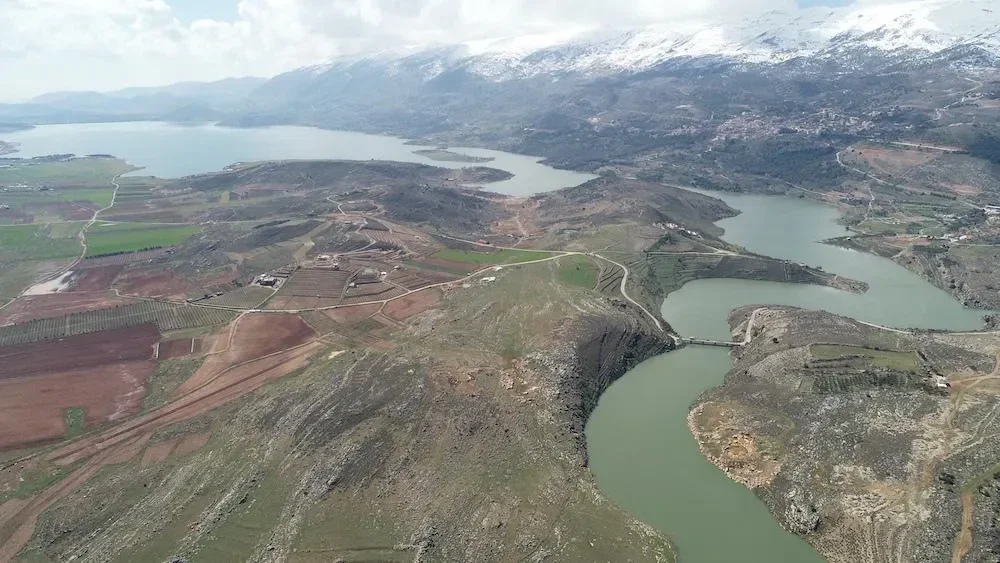
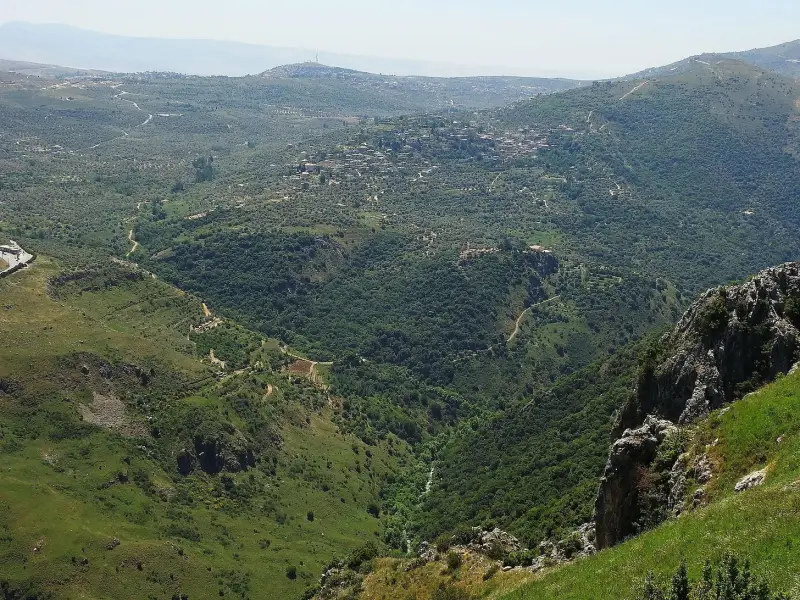
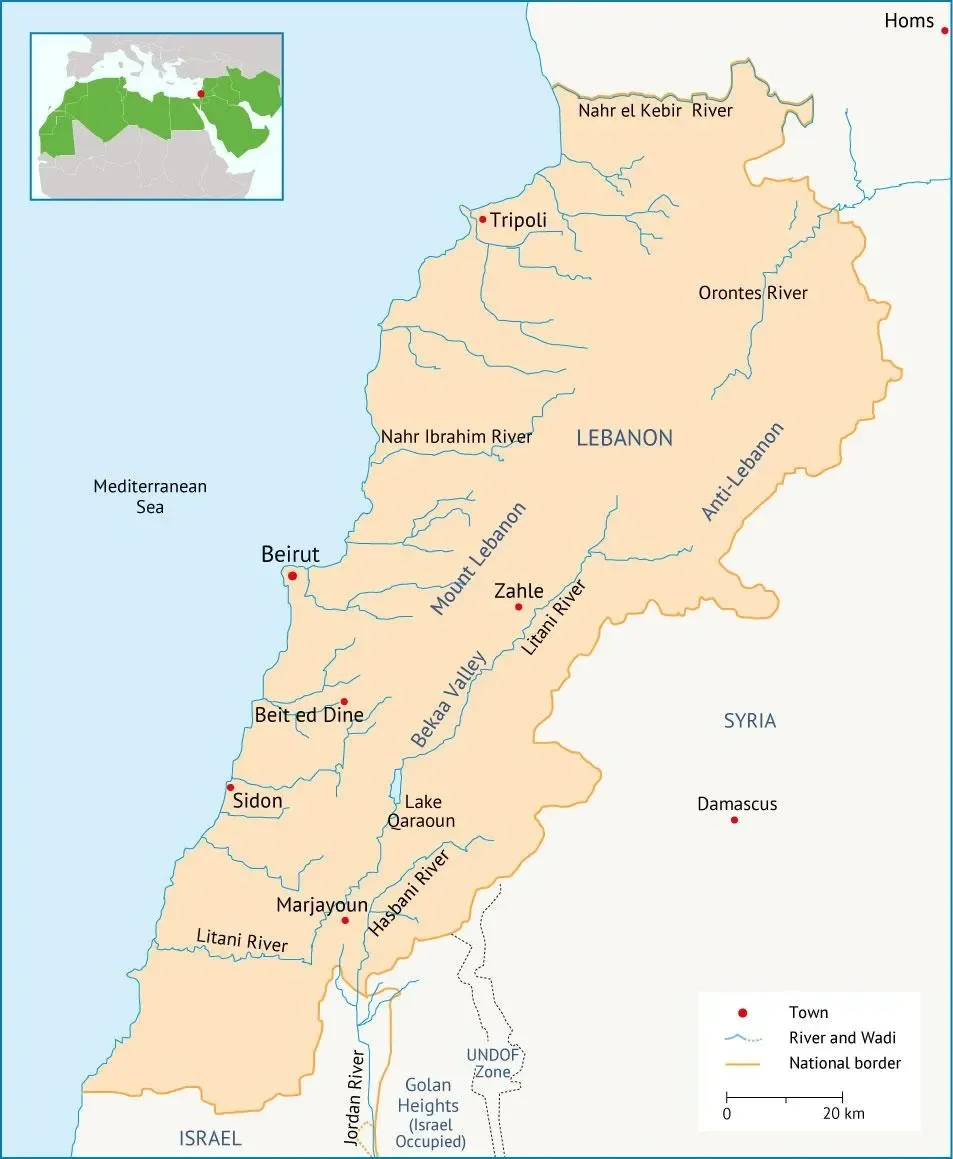
Israeli Prime Minister Benjamin Netanyahu recently confirmed that Israeli forces had crossed the Litani River and moved deeper into Lebanese territory during operations against Hezbollah. He described the move as part of a broader effort to strike Hezbollah strongholds and secure strategic terrain.
The crossing of the Litani River carries significant military and symbolic weight. For decades, the river has been viewed as an important geographic boundary in southern Lebanon. Israeli military operations north of that line immediately attract international attention because they suggest a deeper level of involvement inside Lebanese territory.
Israeli officials argue that the operation is driven by security concerns. The Israeli government maintains that Hezbollah’s military infrastructure, rocket positions, and command networks pose a direct threat to northern Israeli communities. Israeli leaders have repeatedly stated that military pressure is necessary to weaken Hezbollah’s ability to launch attacks across the border.
Critics view the situation very differently. Lebanese officials accuse Israel of violating Lebanon’s sovereignty and expanding military control beyond what can be justified as defensive action. Lebanon’s government has condemned the operations and called for increased international pressure to halt the advance. France has even sought emergency discussions at the United Nations Security Council regarding the escalating situation.
One of the most controversial aspects of the debate involves biblical references that frequently emerge in political discussions surrounding the region.
Some supporters of Israel point to passages from the Book of Deuteronomy and other biblical texts that describe ancient territorial boundaries extending from the Euphrates River toward the Mediterranean Sea. These passages are often cited by religious Zionist groups as evidence of historical or spiritual claims to larger areas of land. However, these interpretations are not official international legal boundaries and are disputed by many religious scholars, historians, governments, and political observers.
The reality on the ground is that modern international borders are determined through treaties, diplomatic agreements, international law, and recognition by sovereign states. The internationally recognized border between Israel and Lebanon remains separate from ancient biblical descriptions. The existence of religious interpretations does not alter current international legal frameworks.
Nevertheless, the appearance of biblical language during periods of military expansion often fuels suspicion throughout the Arab world. Critics argue that references to ancient territorial promises create fears that military operations could evolve into broader territorial ambitions. Supporters counter that such concerns exaggerate religious rhetoric and ignore immediate security threats posed by armed groups such as Hezbollah.
The capture of Beaufort Castle has further intensified the discussion. The historic fortress sits on elevated terrain overlooking large portions of southern Lebanon. Military analysts note that control of the site offers important observation and operational advantages. Netanyahu described the capture as a significant achievement, while critics questioned whether the symbolic value outweighed the strategic benefits.
The broader conflict has already produced devastating consequences. More than one million Lebanese have reportedly been displaced during the fighting, while thousands have been killed or injured. Northern Israeli communities have also experienced rocket attacks, evacuations, casualties, and ongoing security concerns. Both sides continue to blame the other for prolonging the conflict.
The central issue remains unresolved. Israel insists that Hezbollah cannot be allowed to operate freely near its border. Hezbollah and its supporters argue that Israeli military actions justify continued resistance. Meanwhile, ordinary civilians on both sides continue to bear the cost of decisions made by political and military leaders.
The current debate demonstrates how quickly military operations can become intertwined with larger historical and religious narratives. What begins as a security operation can evolve into a discussion about borders, identity, sovereignty, and competing claims that stretch back centuries.
For supporters of Israel, the advance into southern Lebanon is viewed as a necessary campaign against a hostile armed force. For critics, it raises concerns about military escalation and territorial expansion. The facts of the military operation are relatively clear. The interpretation of its long term meaning remains fiercely contested.
Address Links
Reuters
Reuters
Associated Press
https://apnews.com/article/206c3d6c4dc9a139007f043556a0019b
The Guardian
The Times of Israel
Jerusalem Post
https://www.jpost.com/israel-news/defense-news/article-897759
Al Jazeera
Sharing is Caring!
@1TheBrutalTruth1 MAY 2026 Copyright Disclaimer under Section 107 of the Copyright Act of 1976: Allowance is made for “fair use” for purposes such as criticism, comment, news reporting, teaching, scholarship, education, and research.



Tyler Oliveira Video Lays Bare Real Questions About Chabad Power, Tunnels, and Orthodox Realities
Chabad Reality Check Leaves No Room for Denial
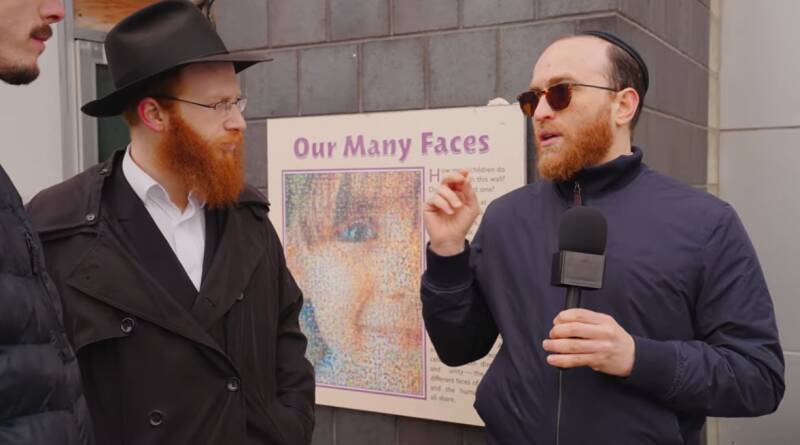
Tyler Oliveira walked into Brooklyn’s Jewish neighborhoods and asked direct questions most creators dodge. He hit Chabad Lubavitch spots, the 770 building, and talked to residents about tunnels, Talmud claims, Israel policy, welfare use, and media influence.
The pushback came fast when he pressed on uncomfortable facts. This was not random hate. It was a man walking into the source and demanding answers on issues millions see online.
The 770 Eastern Parkway tunnel was real. Students dug it illegally to expand the synagogue against leadership wishes. When officials moved to fill it, grown men rioted, climbed through holes, and fought police. Chabad called them extremists. Videos showed the chaos. Oliveira asked about it straight. Responses ranged from denial to “it was just expansion.” The facts say unauthorized digging under a historic site happened, and the community fractured over it.
Orthodox areas like Lakewood, New Jersey, show documented welfare fraud patterns. Multiple raids netted couples and rabbis charged with hiding income to collect Medicaid, food stamps, and housing aid worth millions. Large families, low reported earnings, and community structures that encourage it fuel the problem. Israelis criticize their own ultra-Orthodox for the same dependency. Americans notice it here and get called antisemitic for pointing it out. Double standard clear.
Talmud quotes circulating online get twisted. The “Jesus boiling in excrement” line refers to a different Yeshu in Gittin 57a, not the Christian Jesus according to many Jewish scholars. The Talmud is a massive debate record spanning centuries with extreme hypotheticals. Cherry-picking fuels hate. Still, when young people read selective translations and see real-world behavior that seems to match supremacist attitudes, questions arise. Dismiss every inquiry as hate and you breed more suspicion.
Pro-Israel lobbying packs serious punch. AIPAC and allies spend millions shaping policy. US aid flows steady while domestic issues pile up. Jewish Americans hold outsized roles in media, finance, and certain industries relative to population size. This is statistical reality, not conspiracy. Noticing it does not equal control claims. Every group advances its interests. When one dominates key levers and shields itself from criticism via antisemitism labels, resentment builds.
Settler actions in the West Bank draw legitimate heat. Videos show home takeovers, violence, and expansion. Some Chabad voices defend hardline figures like Ben Gvir. Others distance. Gaza casualties run high with Hamas embedding in civilian areas. Both sides play dirty. Americans fund much of it and watch their own border get ignored. Asking why endless blank checks go abroad while infrastructure crumbles here is fair game.
Free speech tests hit hard. States adopt IHRA definitions that can label criticism of Israeli policy as antisemitic. Oliveira noted laws threatening penalties for boycotts or strong words. Interviewees squirmed when roles reversed. No group gets exemption from scrutiny. Jews face real hate spikes after October 7. That does not make policy, fraud, or influence off limits. Equating questions with gas chambers cheapens actual history.
Chabad pushes Messiah talk and third temple hopes. Some tie it to Al Aqsa implications. Leaders say miracle, not destruction. History shows religious zeal plus land disputes equals conflict. Americans see tax dollars, weapons, and wars tied to these visions and wonder about the cost. Civil discourse means hearing the answers without shutdowns. Oliveira faced shadowbans, risks, and accusations. He still filmed kosher meals, prayers, and street talks. Some interviewees gave straight talk. Others deflected. The video exposed tribal defensiveness when facts surface. Not every Jew supports extremism or fraud. Painting all does damage. Ignoring patterns in tight-knit Orthodox enclaves does worse.
The bigger picture stays simple. Powerful lobbies steer policy. Insular communities game systems. Religious texts get weaponized online. Real antisemitism rises with events abroad. Americans retain the right to examine every influence on their government and tax money without apology. Questions are not hate. Silence and smears create the backlash.
Address Links
https://www.youtube.com/@TylerOliveira
https://en.wikipedia.org/wiki/New_York_City_synagogue_tunnel_incident
Sharing is Caring!
@1TheBrutalTruth1 MAY 2026 Copyright Disclaimer under Section 107 of the Copyright Act of 1976: Allowance is made for “fair use” for purposes such as criticism, comment, news reporting, teaching, scholarship, education, and research.
Why China Is Now Actively Signaling Limits - The Strategic Risk Behind “Next Gaza” Warnings
A Multi-Front Pressure Point Is Forming
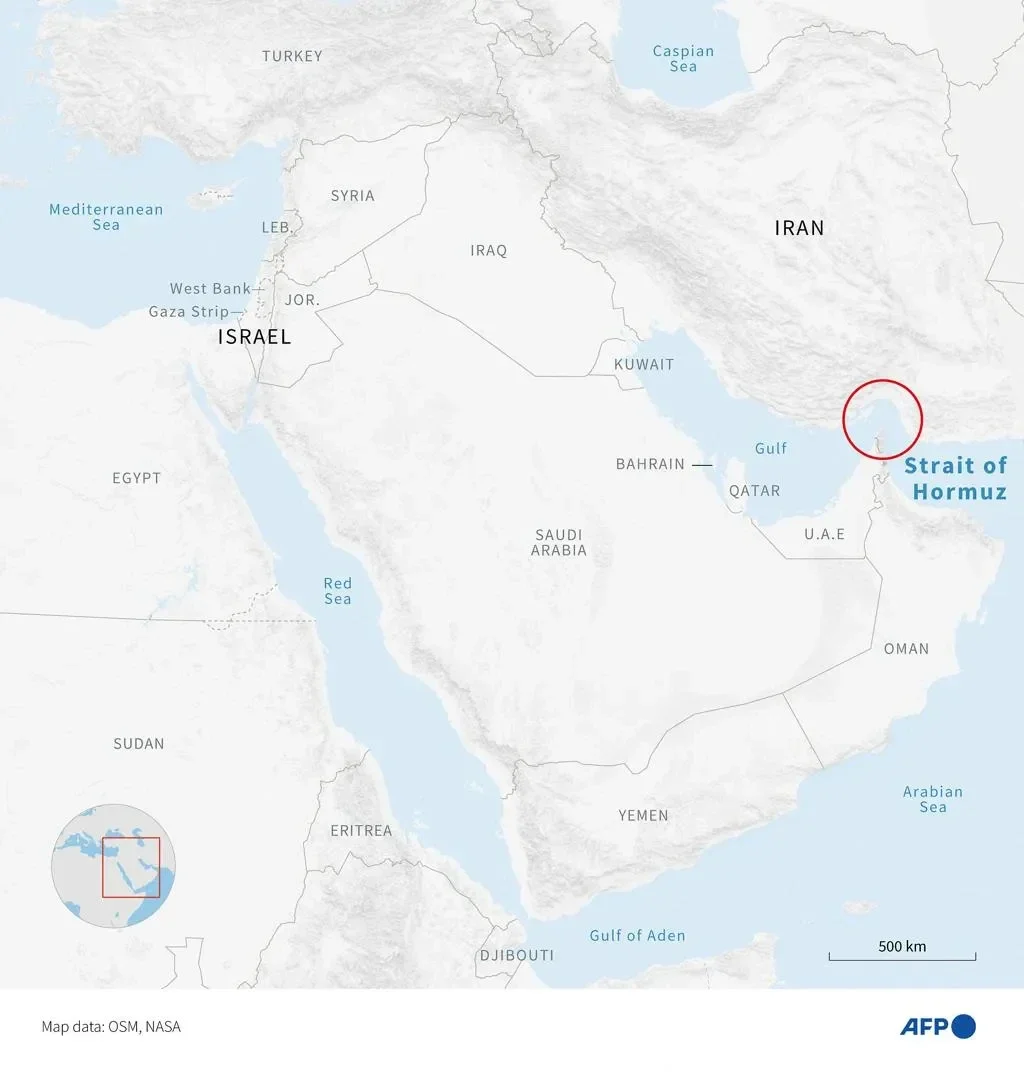
The current situation involves three active pressure zones that are now overlapping and reinforcing each other. The first is the direct and indirect conflict between Iran and Israel. The second is the disruption risk in the Strait of Hormuz, which directly affects global oil supply. The third is Israel’s military activity in Lebanon against Hezbollah.
A fourth layer has now formed with China publicly signaling concern. This shifts the situation beyond a regional conflict. It introduces global economic and geopolitical stakes that extend into energy markets, trade routes, and great power competition.
These layers are not separate. They are interconnected. Actions in one area are producing immediate consequences in the others. This is why escalation risk is rising faster than in previous regional conflicts.
China’s Warning to Israel and Strategic Intent
China’s warning that Lebanon should not become “the next Gaza” reflects calculated strategic positioning rather than symbolic diplomacy.
China relies heavily on imported energy, much of which passes through the Middle East and the Strait of Hormuz. Any sustained disruption threatens industrial output, pricing stability, and domestic economic planning.
China has also invested in infrastructure corridors across the region through the Belt and Road Initiative. These include ports, logistics hubs, and transport networks. Expanded conflict increases the risk of damage, delay, or loss of these investments.
At the same time, China is positioning itself as a counterbalance to U.S. influence. The United States supports Israel militarily and politically. China’s response emphasizes restraint, stability, and opposition to escalation. This framing strengthens its role with countries that are critical of Western-aligned military actions.
China’s warning is therefore tied to three objectives: protect energy access, secure trade infrastructure, and expand diplomatic influence.
Lebanon Operation and Escalation Risk
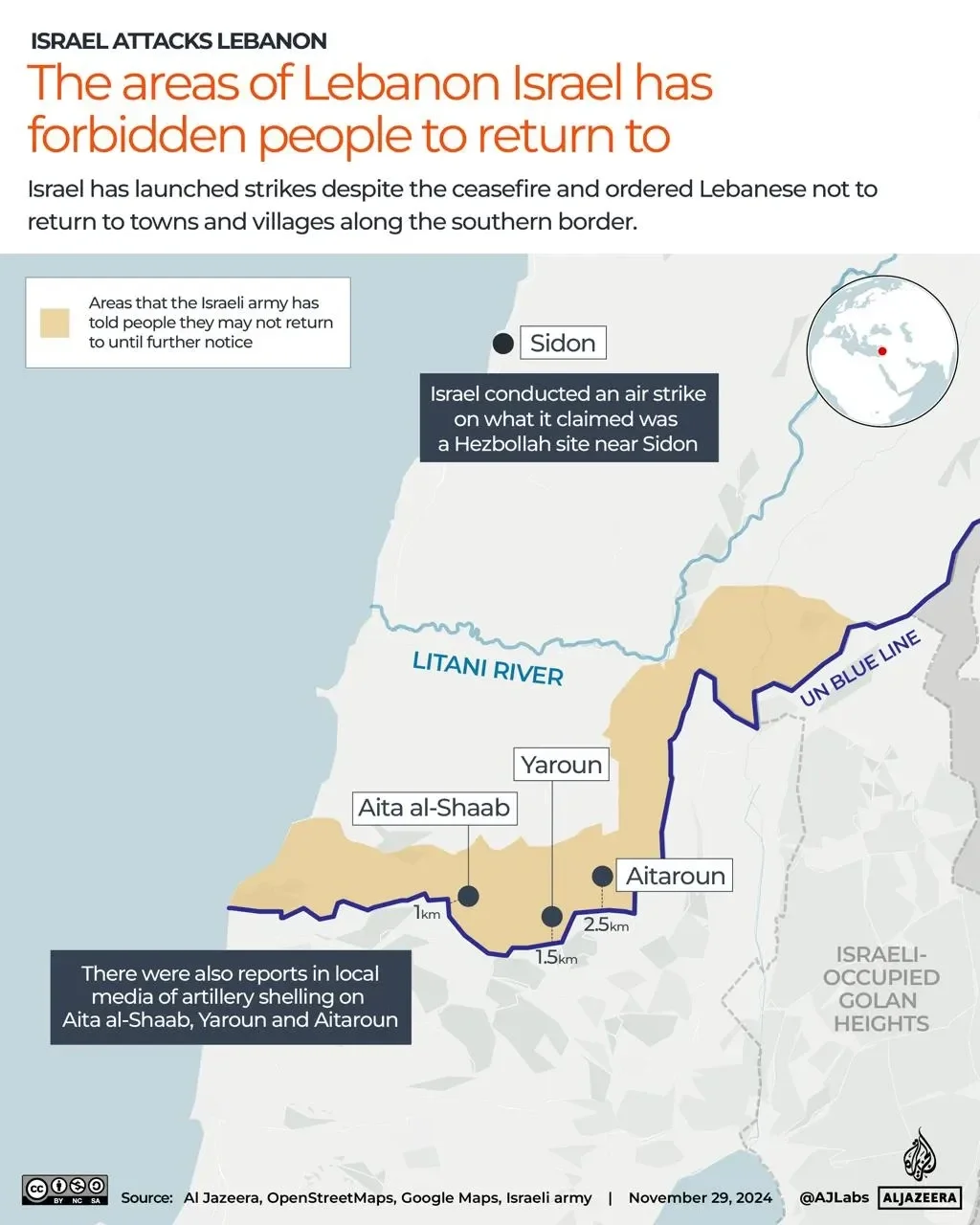
Israel’s stated objective is to reduce the threat from Hezbollah by pushing its forces further from the border and creating a buffer zone. This aligns with a long-standing security approach focused on distance and deterrence.
However, the concern raised by multiple governments is centered on execution and duration. The phrase “next Gaza” refers to a specific pattern of warfare characterized by sustained strikes, infrastructure damage, and long-term control conditions.
Key risk factors include the scale of military operations, the extent of infrastructure damage, and whether any cleared areas remain under prolonged control. Civilian displacement levels are also a central concern.
If operations remain limited and temporary, they are likely to be viewed as defensive. If they expand in scale or duration, perceptions shift toward structural change within Lebanon’s southern region.
Expanding Security Zones and Regional Interpretation
Israel has a documented pattern of operating beyond its borders to manage threats. This includes actions in Lebanon, Syria, and Gaza. These operations are typically framed as necessary to prevent attacks and maintain national security.
Critics interpret repeated use of buffer zones and cross-border operations differently. Their argument is that temporary security measures can evolve into longer-term control, especially when conditions on the ground remain unstable.
This interpretation does not rely on formal declarations. It is based on observed patterns over time. The concern increases when military presence is extended or when infrastructure in affected areas is significantly altered.
China’s warning aligns with this concern. It signals that prolonged or expanded control in Lebanon would be viewed as a shift beyond immediate defense.
Strategic Alignment and Power Balancing
The situation now reflects a broader alignment of interests and pressures. Israel is acting to reduce immediate threats near its borders. Iran and Hezbollah are applying pressure through direct and proxy actions. The United States continues to support Israel’s position.
China is attempting to limit escalation while protecting its economic interests. This introduces a balancing dynamic where military actions are now being assessed not only for local impact but for global consequences.
Energy markets respond quickly to instability in the Strait of Hormuz. Trade routes tied to long-term infrastructure projects are sensitive to prolonged conflict. These factors increase the cost of escalation for all parties involved.
Assessment
The overlap of military conflict, energy disruption risk, and great power positioning creates a high-pressure environment with limited margin for error.
The Lebanon operation carries the risk of expanding beyond its stated objective if conditions on the ground change or if conflict intensity increases. The Strait of Hormuz situation ensures that any escalation involving Iran has immediate global economic effects.
China’s involvement indicates that external powers are actively shaping the boundaries of acceptable escalation. This reduces the likelihood of isolated conflict and increases the chance of broader geopolitical consequences.
The concept often referred to as “Greater Israel” is not an official policy, but has been repeated in phrase often by Israeli administration. However, repeated cross-border operations and the potential for extended control zones contribute to ongoing debate about long-term strategic direction.
Perception is now a central factor. Military actions are being interpreted not only by intent but by pattern and outcome.
This is no longer a contained fight and anyone pretending it is, either does not understand the stakes, or is choosing to ignore them.
You have military pressure building on multiple fronts at the same time while the world’s most important النفط (Oil) choke point sits under threat. That combination removes the margin for error. One miscalculation does not stay local. It moves markets, it shifts alliances, and it forces responses from powers that were not originally part of the fight.
Israel says the Lebanon operation is about security, and on the surface that is true. Hezbollah is armed, active, and tied directly to Iran. No country tolerates that on its border. But the problem is not the stated goal. The problem is how these operations tend to evolve once they begin. Temporary measures have a way of stretching. Buffer zones do not always stay temporary. Once troops are in and infrastructure is hit, the line between defense and control starts to blur whether that is the intent or not.
The Strait of Hormuz is the real pressure trigger sitting underneath all of this. You can debate land operations all day, but the second that waterway is restricted in any serious way, the conversation changes. Oil prices spike, supply chains tighten, and economies far outside the region start taking damage. That means countries with no direct stake in the conflict suddenly have a reason to get involved. That is how a regional fight turns into a global problem in a matter of days.
China stepping in is not about moral concern and it is not neutral. China sees risk to its energy supply and its trade network, and it is drawing a line without sending troops. When it warns against turning Lebanon into another Gaza, it is really saying do not destabilize a region that feeds our economy and do not expand a conflict that strengthens U.S. influence through chaos. This is positioning, not mediation. It is a signal that there are limits to how far this can go before larger powers push back.
The talk around what some call a Greater Israel idea keeps coming up for a reason. It is not because there is a signed document laying out expansion plans. It is because patterns matter more than statements. When a country repeatedly operates beyond its borders, reshapes security zones, and holds ground longer than expected, people stop focusing on what is said and start focusing on what is done. That is where suspicion builds, and once it builds, it does not go away easily.
At this point, perception is driving reality as much as actual intent. Every strike, every movement of troops, every escalation is being read not just as a response but as part of a larger direction. That is what makes this dangerous. You have overlapping conflicts, global energy exposure, and major powers quietly setting boundaries. This is no longer about a single front or a single objective. It is about how far this expands before someone forces it to stop, and by then the damage will already be locked in.
Source Links
https://www.reuters.com/world/middle-east/
https://www.aljazeera.com/middle-east/
https://www.bbc.com/news/world-middle-east
https://www.cfr.org/global-conflict-tracker/conflict/israeli-palestinian-conflict
https://www.eia.gov/international/analysis/regions-of-interest/Strait_of_Hormuz.php
Please Like & Share! 😉🪽
@1TheBrutalTruth1 APRIL 2026 Copyright Disclaimer under Section 107 of the Copyright Act of 1976: Allowance is made for “fair use” for purposes such as criticism, comment, news reporting, teaching, scholarship, education, and research.
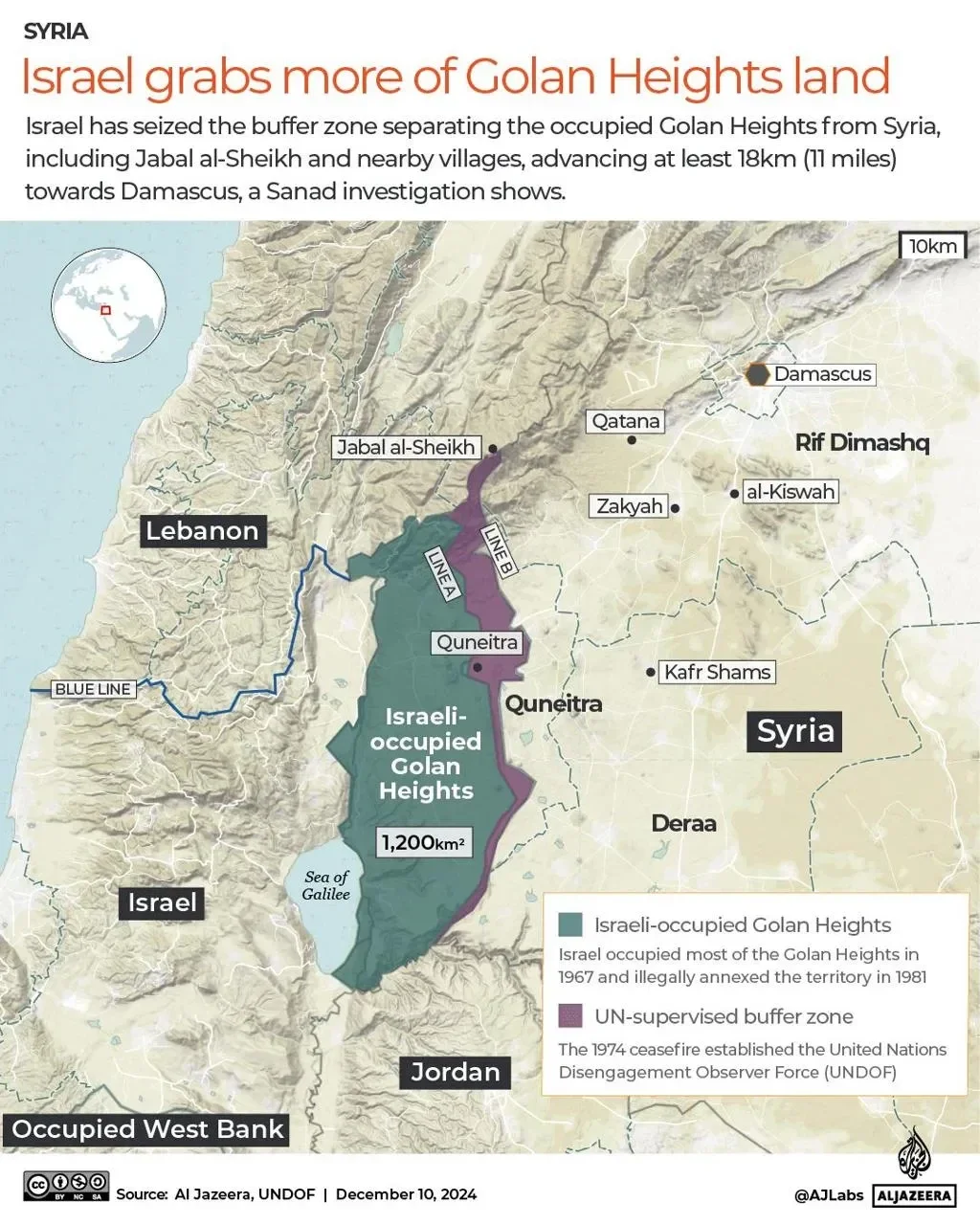
The 1979 Philadelphia "Nazi Rally" Incident
Investigative journalism from the era, including reports on Levy's JDL role, supports elements of the story, though ADL histories omit it, while alternative outlets like Bitchute frame it as proof of fabricated threats for financial gain.
Overview of the 1979 Philadelphia "Nazi Rally" Incident
1990s TV news clip describing a 1979 Philadelphia incident where Mordechai Levy, a Jewish Defense League activist with reported ADL ties, allegedly used the alias "James Gutman" to obtain a permit for a staged Nazi march aimed at amplifying antisemitism fears to boost fundraising.
Posted November 28, 2025, the clip has sparked 86 replies echoing themes of "controlled opposition," with users drawing parallels to modern activism and institutional funding tactics, amassing 67,000 views in two days.
Overview of the 1979 Philadelphia "Nazi Rally" Incident
The incident in question refers to a short-lived controversy in February 1979 surrounding a proposed "white power rally" by a supposed Nazi group at Independence Hall in Philadelphia. What began as a seemingly legitimate permit application for a neo-Nazi demonstration quickly unraveled as a potential hoax, with suspicions pointing to Mordechai Levy (also known as Mark Levy), a Jewish militant activist affiliated with the Jewish Defense League (JDL) and alleged ties to the Anti-Defamation League (ADL). The event was framed by critics as a staged provocation to heighten fears of antisemitism, potentially to bolster fundraising and support for Jewish advocacy groups. Mainstream media at the time reported it as a suspicious fabrication, while later alternative narratives portray it as deliberate entrapment by the ADL. No rally occurred, and the permit was revoked before the planned date. Key Players Mordechai Levy (aka Mark Levy or James Gutman): A New York-based activist and JDL member in 1979, Levy was known for his militant tactics against perceived antisemites. He later founded the Jewish Defense Organization (JDO) in the early 1980s after a violent split with JDL leader Irv Rubin. Levy had a history of using aliases and was involved in other high-profile clashes, including providing information on the 1979 Greensboro massacre (where neo-Nazis and Klansmen killed five anti-Klan protesters).
In this incident, he allegedly posed as "James Gutman" to secure the permit.
Michael Guttman: A real New York student whose stolen identification (passport and student ID) was reportedly used by Levy. Guttman confirmed to police that his documents had been lost two years prior.
Frank Collin: Leader of the Chicago-based National Socialist Party of America (NSPA), a real neo-Nazi group that gained notoriety for attempting a 1978 march in Skokie, Illinois. The permit application named Collin as the rally organizer, but he later denied any involvement or knowledge of "James Gutman" or a Philadelphia Nazi chapter.
Anti-Defamation League (ADL): Accused in alternative sources (e.g., LaRouche publications and online videos) of employing Levy as a paid informant in its Fact-Finding Division under Irwin Suall to stage such events for fundraising. The ADL's official histories do not mention this incident, and mainstream reports do not confirm direct involvement.
Jewish Defense League (JDL): Levy's primary affiliation at the time; the group was known for aggressive anti-Nazi actions, including fire bombings and assaults in the 1970s.
Timeline of Events Date
February 16, 1979
An individual identifying as "James Gutman," representing the "National Socialist Party of America" (NSPA), submits a permit application to the National Park Service for a rally at Independence Hall. The application describes a "white power rally" for "100" participants, with inflammatory language: "to show white masses unity of the white race, and to show the world niggers and Jews are cowards." The applicant lists a P.O. Box as the address and provides stolen ID belonging to Michael Guttman.
February 20–22, 1979
The permit is initially granted, sparking outrage. The City of Philadelphia, Association for Jewish New Americans (a Holocaust survivors' group), and Birthright Israel file for a federal restraining order. Jewish War Veterans and the Philadelphia Jewish Community Relations Council plan counter-demonstrations. Frank Collin denies involvement, stating he has "never heard of Guttman" and that no NSPA chapter exists in Philadelphia.
February 23, 1979
Philadelphia Police Sgt. Francis Corbett travels to New York, interviews Michael Guttman, and learns his ID was stolen. Records link the ID's details (phone number and address) to a prior arrest of Mordechai Levy in New York. Court testimony suggests the permit was obtained fraudulently.
February 24, 1979
U.S. District Judge Clifford Green revokes the permit during a hearing, citing the hoax suspicions. No rally proceeds on the planned date of February 25.
Investigation and Revelations Immediate Probe: Police quickly connected "James Gutman" to Levy via the stolen ID. Levy, a known JDL activist, had used similar tactics in other infiltrations. New York State Police confirmed Levy's prior use of Guttman's contact info during an arrest.
No actual Nazi participants materialized, confirming the fabrication.
Levy's Denials and Broader Context: Levy was not formally charged in this specific case, but the incident fit his pattern of aggressive activism. In 1979, he also provided an affidavit in the Greensboro massacre trials, alleging FBI foreknowledge of neo-Nazi plans—ironically positioning him as an anti-extremist informant.
Later claims (e.g., in 1990s news clips and LaRouche reports) assert Levy was an ADL operative staging rallies to "incite Nazi activity" for publicity and funds.
These remain unverified by mainstream sources and are dismissed by the ADL as conspiracy theories.
No Rally, Minimal Aftermath: The revocation ended the immediate threat, but it fueled local tensions. No injuries or arrests occurred from the planned event itself. Levy continued his activism, leading to later convictions (e.g., 1989 shooting at Irv Rubin, for which he served 18 months).
Controversies and Interpretations Hoax for Fundraising?: Alternative media (e.g., Bitchute videos recirculating 1990s clips) claim the ADL used Levy to fabricate threats, exploiting post-Holocaust fears to justify its budget. The permit's racist rhetoric was seen as a ploy to provoke outrage and donations.
LaRouche publications explicitly call it "ADL provocateurs at work."
Mainstream View: Outlets like The New York Times and Jewish Telegraphic Agency treated it as a bizarre fraud, possibly by an individual agitator, without endorsing ADL involvement.
The ADL, which monitors extremism, has labeled Levy's JDO a "hate group" in later years, distancing itself.
Modern Echoes: The story resurfaced in 2025 X posts (e.g., linking it to ADL credibility amid unrelated controversies), with users calling it "controlled opposition" to discredit Jewish advocacy.
It parallels broader debates on "false flag" operations in extremism monitoring.
This incident highlights the volatile activism of 1970s Jewish militant groups amid rising neo-Nazi visibility (e.g., Skokie). While substantiated as a hoax, claims of institutional orchestration remain speculative and partisan.
Please Like & Share 😉🪽
@1TheBrutalTruth1 Nov. 2025 Copyright Disclaimer under Section 107 of the Copyright Act of 1976: Allowance is made for “fair use” for purposes such as criticism, comment, news reporting, teaching, scholarship, education, and research.
Israel’s Mass-Immigration Drill: Security Planning Or A Quiet Bet That Exile Is Almost Over?
Israel’s large-scale immigration drill, built around a scenario of a massive terrorist attack abroad triggering a tidal wave of Jews fleeing “Gentile countries,” isn’t just about logistics—it’s a window into how Israeli planners see the future map of the Jewish world.
Israel’s massive immigration drill signals more than emergency readiness;
... It reveals that the country’s leadership is preparing for a world where Jewish life outside its borders becomes unstable, unsafe, or strategically untenable. By simulating a sudden exodus from “Gentile countries” after a catastrophic attack, Israeli planners are acknowledging a global shift they believe is already underway—a collapse of social cohesion in the West, a breakdown of national security in Europe, and a growing sense that diaspora communities may soon be forced to choose between staying in hostile environments or returning to a homeland they may have never lived in. This type of exercise suggests that Israel expects geopolitical shocks, coordinated terror campaigns, and rising social unrest to eventually push entire populations across borders in a matter of days, not years. And beneath the surface is a deeper message: Israel is positioning itself as the final refuge because it expects Western nations to fail at protecting their own citizens from ideologies and conflicts they imported, ignored, or politically weaponized.
When officials openly say that a scenario like this has a “clear likelihood of happening” because of rising antisemitism, they are admitting something most Western governments refuse to confront: they no longer trust Europe, North America, or other diaspora centers to remain safe long term. From an America First, constitutional point of view, that should trigger serious reflection.
When officials warn that mass evacuation of Jews from Western nations is now a “clear likelihood,” they are quietly admitting that the pillars of European and North American stability are eroding faster than governments want to acknowledge—social fragmentation, imported ideological conflicts, unchecked extremism, and political leaders too afraid or compromised to confront any of it. For Americans committed to a constitutional, America First vision, this should be a wake-up call: if Israel no longer trusts traditionally safe democracies to protect their own Jewish citizens, then the United States must ask what has gone wrong inside its own borders and why foreign intelligence services see danger that our own leaders pretend does not exist. The deeper implication is that Western nations are slipping into a period where loyalty, identity, and safety can no longer be assumed, and if Israel is preparing lifeboats, America must decide whether it will restore order, enforce its laws, and protect every citizen equally—or continue down a path where even allied nations no longer believe the West can guarantee basic security for its people.
If Israel is gaming out how to pull hundreds of thousands of Jews out of foreign countries at short notice, it means two things at once: first, that Western societies have failed so badly at basic law and order that entire communities may have to evacuate; and second, that Israel is positioning itself as the final guarantor of Jewish security, even if that means quietly welcoming the collapse of confidence in other nations.
If Israel is quietly preparing to extract hundreds of thousands of Jews from foreign nations on a moment’s notice, it exposes a dual reality that most Western leaders refuse to acknowledge: major democracies are losing control of their own streets, and Israel fully expects that decline to continue. The fact that one nation is rehearsing mass airlifts out of places once considered safe—France, Germany, the UK, even the United States—signals a profound collapse of trust in Western law enforcement, intelligence agencies, and political leadership.
At the same time, Israel is stepping into the role of ultimate protector, positioning itself not just as a homeland but as a global fallback plan, a safety valve for when other nations fail to uphold the most basic duty of a government: protecting its citizens from violence. The unspoken message is that Israel is preparing for the day when Western assurances can no longer be believed, when social decay and unchecked extremism push diaspora communities to flee, and when the world’s so-called “stable democracies” are exposed as illusions built on weakening foundations.
For Americans, the question is not whether Israel has the right to prepare—that’s its sovereign duty—but whether our own leaders are willing to protect all citizens equally under the Constitution, rather than allowing creeping antisemitism, imported jihadist ideology, and political cowardice to drive U.S. Jews into the arms of another state out of fear. In the background, this drill looks less like a neutral emergency exercise and more like an early rehearsal for a world where exile is treated as temporary by design, and where American stability can no longer be taken for granted unless the people demand that their government put domestic security, equal protection, and national cohesion above every foreign agenda.
When Israel openly rehearses rescuing Jews from Western nations, it forces Americans to confront an uncomfortable truth: a nation that claims to be the world’s strongest democracy is now facing threats that make even long-established communities question whether the United States can keep them safe. Israel’s right to prepare is unquestioned, but the deeper issue is whether American leaders still take seriously their constitutional duty to protect every citizen from rising antisemitism, radicalized ideologies, and political leaders who tolerate chaos because confronting it would threaten their agendas.
If Israel views exile as temporary and expects Jews to eventually retreat home, that suggests a future in which American stability is no longer assumed but must be earned again through firm borders, strong law enforcement, and a renewed commitment to equal protection under the law. This drill, then, feels less like routine preparedness and more like a warning signal: unless America reasserts control over its own security and places national cohesion above foreign entanglements, we may wake up to find that our allies have quietly concluded we can no longer guarantee safety on our own soil.
If Israel now treats the diaspora as living in temporary exile, it should push Americans to recognize that national stability is not a default state—it is something a constitutional republic must actively protect through secure borders, strong policing, and equal enforcement of the law without political bias. From an America First perspective, the most important duty of government is safeguarding its own citizens, not managing foreign conflicts or catering to outside interests. Israel’s drill serves as a reminder that other nations will act decisively to protect their people, and the United States must do the same by restoring public order, rejecting policies that undermine national unity, and prioritizing domestic security over global obligations. If America fails to reassert control over its own streets and uphold the Constitution’s promise of equal protection, we may wake up to a world where even our closest allies quietly assume that the United States can no longer guarantee the safety of its own citizens—a scenario that would mark the ultimate failure of national leadership and constitutional responsibility.
In a biblical sense, Israel’s accelerated preparation for a sudden return of the diaspora resembles the ancient patterns recorded throughout Scripture
...Where God repeatedly warned His people that the nations they sojourned in would one day turn unstable, hostile, or spiritually corrupt, compelling them to return home under pressure rather than comfort.
The prophets wrote of times when the surrounding nations would shake, alliances would fail, and the Jews scattered among the Gentiles would be forced out by rising hatred, lawlessness, or catastrophic upheaval—echoing the same concerns that now drive Israel’s modern drills.
Throughout the Old Testament, exile was never meant to be permanent; it was a season, and return came only when the world outside grew dangerous and the homeland was ready to receive its people again. What Israel is doing today mirrors that ancient cycle: preparing for a moment when the nations lose their stability and when God’s people, pressured by global turmoil, are gathered back in haste.
For Americans, this echoes the biblical warning that no nation is immune from decline if it fails to uphold justice, protect the innocent, and restrain evil within its borders. Israel’s actions therefore read like a modern fulfillment of a very old pattern—the gathering accelerates when the host nations falter—and it is a reminder that national strength, security, and moral clarity must be actively maintained or they will slip away just as surely as they did in the days of the prophets.
Is this scenario in reality actually happening?
Short answer: parts of that scenario are real and happening, but the full “tidal wave” evacuation is not happening right now.
Israel really did run a national drill simulating emergency mass immigration (“mass aliyah”) in case Jews have to flee a collapsing foreign country after a major terror attack. The Ministry of Aliyah and Integration and the National Emergency Authority rehearsed absorbing about 45,000 immigrants, with a model of roughly 800 arrivals per day, and officials explicitly said this kind of scenario could “definitely materialize” given rising global antisemitism. Israel’s own reports and multiple NGOs also confirm a sharp rise in antisemitic incidents in recent years, especially after October 7, 2023, and note that this is a key driver in more Jews at least considering moving to Israel.
However, we are not currently seeing a literal, worldwide, sudden mass exodus on the scale the drill imagines. In fact, official data show that overall immigration to Israel actually dropped in 2024 and has continued to fall in early 2025, even with antisemitism rising. There have been past waves where antisemitism drove big spikes in aliyah from specific countries (like French Jews around 2015), and Israel has a long history of emergency airlifts (Yemen, Iraq, Ethiopia). So: the infrastructure and planning for a future “tidal wave” are very real, and the concern about worsening conditions in the West is real—but the actual, global, last-minute airlift moment is something they’re preparing for, not something that’s already unfolding today.
Please Like & Share 😉🪽
@1TheBrutalTruth1 Nov. 2025 Copyright Disclaimer under Section 107 of the Copyright Act of 1976: Allowance is made for “fair use” for purposes such as criticism, comment, news reporting, teaching, scholarship, education, and research.
What survivors actually say about Epstein’s island and the “temple”
They talk about being pressured, drugged, raped, photographed, and used in group sex acts in the main house, guest houses, massage rooms, and other buildings on the island.
Survivors and witnesses describe Little Saint James as the hub of Epstein’s trafficking network: a place where underage girls and young women were flown in, abused, passed around to powerful guests, and sometimes moved on to other locations.
The mysterious temple on Jeffrey Epstein's Little Saint James Island has sparked countless conspiracy theories. But what do SURVIVORS actually say happened there? And why does biblical prophecy point to this being more than just a sex trafficking operation?
The Epstein Emails Reveal Fallen Angels
They talk about being pressured, drugged, raped, photographed, and used in group sex acts in the main house, guest houses, massage rooms, and other buildings on the island.
When it comes to the blue-and-white “temple” building specifically, hard testimony is thin. An NBC/Business Insider investigation interviewed a piano tuner who went inside; he described a single large room with a wooden floor, an Oriental rug, a small black grand piano, bookshelves, a desk, a sofa, and a portrait of Epstein with a pope — basically a weird, ostentatious music room, not a visible ritual chamber. Urban explorers who later snuck onto the island reported a spiral staircase going down from the building and speculated about tunnels, but they did not document an underground ritual complex or confirm what was below. Some commentary sites claim survivors spoke of ritualistic abuse and filming in the “temple,” but those accounts are often second-hand, unsourced, or mixed with speculation, unlike the more solid sworn testimony about abuse in other parts of the island.
So:
-
Yes – Little Saint James was clearly a site of serial sexual exploitation and trafficking.
-
No solid public evidence yet – that the “temple” was the central ritual hub or that specific biblical-style sacrifices happened there. That part mostly lives in theories and symbolism layered on top of a very real crime scene.
Why people connect it to biblical imagery and “prophecy”
Even without proof of literal sacrifices, the optics of the building practically beg for religious interpretation: a faux-Middle-Eastern looking structure with a gold dome, perched on the highest point of an island nicknamed “Pedophile Island,” used by a billionaire who trafficked minors and entertained elites. People start reaching for patterns they recognize:
-
Old Testament imagery – Cults around Moloch and Baal in the Bible are associated with child sacrifice and depraved worship on “high places.” For some, a temple-like dome on a hill where children were abused looks like a modernized “high place” dedicated to the same old gods of power and exploitation.
-
Revelation 18 symbolism – The fall of “Babylon” in Revelation includes merchants trading in “the bodies and souls of men,” which many see as eerily parallel to human trafficking by powerful economic and political actors. Epstein’s client list and his island of abuse become, in that reading, a real-world Babylonian market in human lives.
-
“Principalities and powers” – New Testament language about unseen spiritual rulers over earthly systems gets mapped onto networks of intelligence agencies, blackmail, finance, and compromised elites. The “temple” becomes a visual icon of a hidden cult of power rather than just a piano room with weird decor.
In that sense, when people say “this was more than sex trafficking”, they don’t necessarily mean proven satanic masses or literal prophecy fulfillment in a courtroom sense. They mean: the symbolism, the setting, and the scale of harm line up disturbingly well with biblical warnings about corrupt elites, child sacrifice, and a world system that treats human beings as expendable offerings to wealth and power. The prophecy angle isn’t established evidence — it’s a lens people are using to explain why Epstein’s island feels less like a crime scene and more like a modern shrine to everything the Bible says will eventually be judged.
Please Like & Share 😉🪽
@1TheBrutalTruth1 Nov. 2025 Copyright Disclaimer under Section 107 of the Copyright Act of 1976: Allowance is made for “fair use” for purposes such as criticism, comment, news reporting, teaching, scholarship, education, and research.
BBC report reveals total devastation in Gaza as anger grows over UK role
A BBC News report described the devastation across Gaza, showing how little remains of the territory after two years of Israeli bombardment.
BBC report reveals total devastation in Gaza as anger grows over UK role
The Gaza once known from maps and memories no longer exists, in Shejaiya, a flat expanse of rubble stretches into Gaza City, leaving the area unrecognizable compared to the vibrant urban landscape it once was. The report recalled a city that had been filled with parks, avenues, traffic jams, cafés, and villas along the coast — all now destroyed.
Critics have expressed anger that UK Prime Minister Keir Starmer continued to assert Israel’s right to defend itself while footage showed Gaza being flattened. Reports have also emerged that the UK carried out more than 500 surveillance flights over Gaza, gathering detailed images and video of the territory, indicating the government was fully aware of the scale of destruction and atrocities on the ground.
Please Like & Share 😉🪽
@1TheBrutalTruth1 Nov. 2025 Copyright Disclaimer under Section 107 of the Copyright Act of 1976: Allowance is made for “fair use” for purposes such as criticism, comment, news reporting, teaching, scholarship, education, and research.
Candace Owens Gets It Right On Gaza AGAIN
Saying The Quiet Part Out Loud...
Candace Owens Gets It Right On Gaza AGAIN - YouTube
Jared Kushner, Peter Thiel and Larry Ellison are linked to plans In Gaza that will certainly make them even richer. Cenk Uygur and Ana Kasparian discuss on The Young Turks. Do you agree with TYT's take?
Please Like & Share 😉🪽
@1TheBrutalTruth1 Oct 2025 Copyright Disclaimer under Section 107 of the Copyright Act of 1976: Allowance is made for “fair use” for purposes such as criticism, comment, news reporting, teaching, scholarship, education, and research.
What happens to a country who has a 2 year Master Plan to invade another country?
THIS...
When a nation crafts a secret two-year master plan to invade another country, it often signals that diplomacy has failed and deception has become policy.
Such planning isn’t just military—it’s psychological, economic, and informational. Leaders begin reshaping narratives at home, conditioning citizens to accept aggression as necessity or justice. They shift resources, manipulate markets, and use propaganda to soften resistance both domestically and abroad.
From a deeper perspective, this kind of preparation suggests the country no longer views coexistence as viable—it’s embracing conquest or preemption as destiny. Yet history shows that when a government devotes itself to calculated expansion, it risks moral decay from within: freedom contracts, secrecy multiplies, and truth becomes a casualty long before the first shot is fired. In the end, the greatest threat isn’t always the war that follows—but what a nation must become to make that war possible.
What if it is not a secret.
It is a plan spoken about as though everyone else would go along while others were not aware of it?
If a two-year invasion plan is talked about openly among leaders and insiders—treated as a foregone conclusion for “those who know” while much of the public remains unaware—the consequences are corrosive and far-reaching: it normalizes aggression as policy before voters can consent, corrodes democratic oversight as debates are displaced by backroom assumptions, and invites rampant propaganda to manufacture consent and silence dissent.
Economically, resources shift quietly toward mobilization, skewing markets and widening inequality as contracts and favors flow to a militarized class (USA); legally, emergency rationales and classified designations can be abused to override checks and delay judicial or legislative scrutiny. Internationally, boasting about plans hands adversaries a checklist for countermeasures and gives allies reason to distance themselves, risking sanctions, isolation, and strategic surprise.
Politically, the secrecy-by-assumption breeds factionalism: those kept in the dark may resist, while opportunists within the system exploit the confusion for personal power. Morally, it signals a nation willing to substitute will for deliberation, weakening the civic fabric that binds soldiers and citizens alike. In a republic, the remedy is blunt but clear—transparency, constitutional process, and public accountability—because wars decided in whispers rarely end with the public interest at the center.
Please Like & Share 😉🪽
@1TheBrutalTruth1 Oct 2025 Copyright Disclaimer under Section 107 of the Copyright Act of 1976: Allowance is made for “fair use” for purposes such as criticism, comment, news reporting, teaching, scholarship, education, and research.
Kennedy Scholar Ken McCarthy Challenges Accepted Narratives about JFK and RFK
The question his story raises is timeless: can a president dedicated to peace and true independence survive within a structure that thrives on war, secrecy, and allegiance to interests beyond the American people?
Kennedy scholar Ken McCarthy argues that John F. Kennedy’s presidency was far more radical than the usual Cold War-liberal story,
....and that he and his brother Robert were engaged in secret fights both to end notorious foreign coups and to recalibrate U.S. relations with Israel in ways rarely acknowledged. Kennedy scholar Ken McCarthy challenges narratives about JFK, arguing that he wanted to make peace with the Soviet union and get out of the foreign coup business, and was fighting a secret battle against Israel alongside his brother Robert F. Kennedy.
JFK Files Bombshell SHOCKS Israel–Here’s What Media Hid
According to McCarthy, JFK was determined to make peace with the Soviet Union, to wind down U.S. involvement in covert regime-change operations, and to confront what he viewed as unhelpful alliances that tugged U.S. policy away from national interest. In McCarthy’s telling, Kennedy’s insistence on bringing the United States out of the “foreign chaos business”—coups, destabilizing interventions, regime engineering—put him on a collision course with entrenched interests at home and abroad. McCarthy further claims that the Kennedys were quietly at odds with Israeli strategic behavior at a sensitive moment, seeing Israel’s nuclear program and regional machinations as complicating America’s global posture and threatening its freedom of action.
McCarthy’s interpretation paints a hidden struggle within the Kennedy presidency—a quiet revolt against the machinery of perpetual conflict and foreign manipulation that had grown powerful after World War II. He argues that JFK saw the Cold War not as an endless battlefield but as a political trap that enriched defense contractors, empowered intelligence networks, and kept the American people in a constant state of fear. Kennedy’s attempts to thaw relations with Moscow and dismantle covert operations threatened those who thrived on secrecy and instability. According to this view, his resistance to Israel’s unchecked nuclear ambitions and pressure for unconditional support challenged another powerful current within global politics—one that blurred the line between ally and influencer. By seeking to restore America’s independence in foreign policy, Kennedy may have provoked forces far beyond public awareness, suggesting that his assassination was not merely the act of a lone gunman but the silencing of a leader who dared to steer the nation toward peace and sovereignty over manipulation and control.
In this view, what looked like standard Cold War strategy masked an alternative vision: one in which American sovereignty and peace were prioritized over perpetual intervention and fixed alliance structures. Whether or not all of McCarthy’s evidence holds up under standard historical review, his framework forces a rethinking of Kennedy’s legacy—and invites America to ask whether its foreign policy still fits the national interest or has drifted away from it.
From this perspective, Kennedy’s presidency becomes less a chapter in Cold War management and more a brief rebellion against the hidden networks that had begun steering America’s global agenda. The outward image of cautious diplomacy concealed a deeper plan to reclaim national sovereignty from unelected power centers—intelligence agencies, defense industries, and foreign lobbies—that had quietly shaped U.S. policy since the mid-century. McCarthy suggests that Kennedy’s calls for peace, nuclear restraint, and independent decision-making were not idealistic gestures but acts of defiance against a system addicted to conflict and dependent on global entanglements for profit and influence. His challenge was not only to Moscow or Beijing but to Washington itself—to the quiet machinery that blurred patriotism with control and diplomacy with domination.
The question his story raises is timeless: can a president dedicated to peace and true independence survive within a structure that thrives on war, secrecy, and allegiance to interests beyond the American people?
Please Like & Share 😉🪽
@1TheBrutalTruth1 Oct 2025 Copyright Disclaimer under Section 107 of the Copyright Act of 1976: Allowance is made for “fair use” for purposes such as criticism, comment, news reporting, teaching, scholarship, education, and research.
All Israeli Brands & Products in 1 Video-Israeli Brands a to z-Israeli products & their alternatives
Shocked at how many companies that are sold world wide are Israeli owned. Fingers in every pie, metaphorical. Some of the brand are over 100 years established and excellent products. However will be looking and trying alternatives. - YouTube Commentor
Please Like & Share 😉🪽
@1TheBrutalTruth1 Oct 2025 Copyright Disclaimer under Section 107 of the Copyright Act of 1976: Allowance is made for “fair use” for purposes such as criticism, comment, news reporting, teaching, scholarship, education, and research.
Israel Products List | Boycott Israel Products
Very easy to boycott as most of them are dangerous for our health
Please Like & Share 😉🪽
@1TheBrutalTruth1 Oct 2025 Copyright Disclaimer under Section 107 of the Copyright Act of 1976: Allowance is made for “fair use” for purposes such as criticism, comment, news reporting, teaching, scholarship, education, and research.
Ceasefire Cracks, Political Fallout: A Weekend That Shifted the Conversation
Israeli officials initially blamed Hamas for a violation; Hamas denied it and reiterated support for the truce. Local medics counted new casualties, and aid groups paused movements until routes were re-cleared. Military investigators have since focused on what triggered the blast, including the possibility that legacy munitions ignited under stress or movement.
Reports from Gaza describe a chaotic incident during the ceasefire in which an IDF vehicle detonated near unexploded ordnance left from earlier fighting.
Israel violates the Gaza ceasefire after an IDF vehicle detonated on their own unexploded ordinance blaming Hamas for the incident as Trump calls them out. New polls show
Dem voters completely turning on AIPAC , Netanyahu and Israel.
Israel BREAKS Ceasefire After IDF Blew Up On THEIR OWN Unexploded Bomb | Dem Voters TURN ON Israel
Israeli officials initially blamed Hamas for a violation; Hamas denied it and reiterated support for the truce. Local medics counted new casualties, and aid groups paused movements until routes were re-cleared. Military investigators have since focused on what triggered the blast, including the possibility that legacy munitions ignited under stress or movement.
The timing mattered. The ceasefire had been fragile, with “red line” boundaries marked on short notice and not always clear to civilians or troops. Misread maps and overlapping control zones increased the risk of mistakes. Commanders on both sides have acknowledged that accidents and misfires can occur when heavy equipment operates near uncleared fields.
Into that tension stepped the American political spotlight. The U.S. president publicly pressed Israel to honor the terms of the truce and warned that any return to large-scale operations would jeopardize the broader peace track. He framed the ceasefire as a signature accomplishment and called for discipline at the line of contact while humanitarian corridors reopened. Israeli leaders responded by saying they would hold fire where the terms are observed but would act against any hostile activity near their positions.
The public mood in the United States is also shifting. Fresh polling shows Democratic voters moving sharply away from unconditional support for Israel, with unfavorable views of the Netanyahu government rising and skepticism about pro-Israel lobbying increasing. Younger Democrats, in particular, are more likely to favor conditions on U.S. aid and to support Palestinian statehood. Among Republicans, support for Israel remains strong, though there is a growing split between hawkish voters and those prioritizing a narrower “America first” approach to foreign commitments.
AIPAC finds itself in the center of that change. Several Democratic candidates have distanced themselves from the group, arguing that its spending and alliances no longer reflect their voters’ priorities. Others caution that abandoning a long-standing ally in a volatile region could embolden adversaries and undermine U.S. leverage. Donors and activist networks are recalibrating accordingly, testing whether primary contests will reward or punish candidates for taking harder lines on aid, arms sales, and ceasefire enforcement.
For Israel, the diplomatic cost of any ceasefire breach—accidental or not—is rising. Allies are watching casualty trends, access for relief convoys, and compliance with mapped boundaries. For Palestinians, the short-term questions are painfully concrete: Will trucks move, clinics stay powered, and displaced families avoid new displacement? Each small breakdown erodes trust and makes the next incident more dangerous.
What happens next will hinge on specifics, not statements. If the blast is confirmed to be self-detonation on uncleared ordnance, expect renewed pressure on Israel to expand clearance operations and tighten movement rules at the contact line. If investigators tie it to hostile action, expect calls for stricter monitoring of armed factions and clearer, enforceable no-go zones. Either way, the ceasefire will survive only if both sides can reduce ambiguity on the ground while outside partners keep aid flowing and political channels open.
The political map in Washington is changing just as the battlefield map is being redrawn. That overlap—domestic opinion shifting while ceasefire discipline is tested—will determine whether this truce becomes a bridge to a broader settlement or another pause that collapses under the weight of mistrust.
Please Like & Share 😉🪽
@1TheBrutalTruth1 Oct 2025 Copyright Disclaimer under Section 107 of the Copyright Act of 1976: Allowance is made for “fair use” for purposes such as criticism, comment, news reporting, teaching, scholarship, education, and research.
Empty Seats, Loud Message: Reading the Walkouts on Netanyahu
The images of vacant chairs and quiet protests traveled fast, raising a basic question: did these gestures signal real change, or were they symbolic theater for home audiences?
Reports of world leaders and delegations leaving the room during Benjamin Netanyahu’s remarks have sparked a wave of debate about Israel’s diplomatic standing and the state of global opinion on the Gaza war.
Around 100 delegates walked out in protest of Israeli Prime Minister Benjamin Netanyahu's speech at the UN General Assembly. Ramesh Srinivasan, John Iadarola and Wosny Lambre discuss on The Young Turks. Do you agree with TYT's take?
Netanyahu HUMILIATED As World Leaders Walk Out
The images of vacant chairs and quiet protests traveled fast, raising a basic question: did these gestures signal real change, or were they symbolic theater for home audiences?
Supporters of the walkouts argue that Israel’s leadership has ignored warnings from allies and international agencies. They say the exits reflect a growing impatience with expanded military operations, contested strikes, and the stalled political track. To them, empty seats are a nonviolent way to apply pressure when resolutions and statements have little practical effect.
Walkouts at high-profile forums are not new. Diplomats use them to register disagreement without escalating to a full confrontation. In this case, the exits appeared coordinated by some governments and spontaneous by others. The aim was simple: send a visible message about civilian casualties, settlements, or wartime conduct, while avoiding direct disruption of the speech itself.
Critics of the walkouts counter that such gestures undermine serious diplomacy. They argue that walking out narrows the space for dialogue, hardens positions, and plays to domestic audiences instead of solving problems. From this view, if the goal is to negotiate humanitarian access, de-escalation, or a pathway to a political settlement, face-to-face engagement matters more than symbolic protest.
For Netanyahu’s government, the optics are a challenge but not necessarily a policy pivot. Israeli officials often frame these moments as biased or politically motivated, pointing to threats from armed groups and the country’s security imperatives. They argue that any sustainable ceasefire must include guarantees against renewed attacks, and that critics underestimate the risks Israel faces along multiple fronts.
The United States sits awkwardly in the middle. Washington wants to maintain close security ties with Israel while pushing for steps that reduce civilian harm and open space for diplomacy. Walkouts complicate that balance by highlighting the distance between U.S. policy and that of partners who prefer sharper public pressure. The result is a layered message: unwavering support for Israel’s security, coupled with louder calls for restraint and political horizons.
The UN has recognized “Palestine” as a state for UN General Assembly purposes since 2012, but the U.S. and Israel are not legally required to recognize it as a sovereign state—and they haven’t. Here’s why that looks (and feels) like they’re “ignoring” it:
-
In 2012, the UN General Assembly voted to upgrade Palestine to non-member observer state status. That’s important symbolism inside the UN system, but it is not full UN membership and it doesn’t force individual countries to recognize Palestine.
-
Full UN membership requires a Security Council recommendation. In April 2024, the U.S. vetoed a Council draft that would have moved Palestine to full membership, so the bid stalled. This is the main procedural choke point.
-
Most of the world recognizes Palestine bilaterally (around four-fifths of UN members), but the U.S. does not. Washington’s stated position is that recognition should come only through a negotiated two-state agreement, not unilateral steps at the UN.
-
Israel rejects unilateral recognition moves at the UN and treats them as political theater that doesn’t change realities on the ground. So, from Israel’s and the U.S.’s perspective, UNGA actions do not alter their policies.
So, the optics: the UNGA’s 2012 step and subsequent recognitions create a broad international signal that Palestine should be treated as a state—but without Security Council approval (blocked by a U.S. veto) and without U.S./Israeli bilateral recognition, the practical effects are limited. That’s why it can feel like they’re “ignoring” UN recognition even though the UN did take a real (but limited) action.
Please Like & Share 😉🪽
@1TheBrutalTruth1 Oct 2025 Copyright Disclaimer under Section 107 of the Copyright Act of 1976: Allowance is made for “fair use” for purposes such as criticism, comment, news reporting, teaching, scholarship, education, and research.
Netanyahu: Hamas’ Secret Banker
Please Like & Share 😉🪽
@1TheBrutalTruth1 Oct 2025 Copyright Disclaimer under Section 107 of the Copyright Act of 1976: Allowance is made for “fair use” for purposes such as criticism, comment, news reporting, teaching, scholarship, education, and research.